We may receive a commission if you make a purchase through a link on this page at no cost to you. This helps us keep this site free & we appreciate your support!
The Unleashed All-Star Game
The Premier Lacrosse League (PLL) announced the professional women’s lacrosse exhibition, The Unleashed All-Star Game, powered by Ticketmaster. It was held at The St. James in Springfield, Virginia, on February 17, 2024, just up I-95 from the Virginia Beach lacrosse scene.
The Unleashed All-Star Game, set for 3:30 pm EST, promised a thrilling spectacle. It preceded the final games of the PLL Championship Series, making for a day packed with top-tier lacrosse action. Fans could expect a fusion of skill, strategy, and speed, making it an unforgettable experience.
Date
Feb 17, 2024
Start time
3:30 pm EST
Venue
The St. James, Springfield, VA
Format
Olympic Sixes
Teams
North vs. South
Broadcast
ESPN+
A Showcase of Talent
The Unleashed All-Star Game was built to feature the crème de la crème of North American women’s lacrosse talent. In this unique exhibition, teams from the North and South competed in the Olympic Sixes format, a fast-paced, dynamic style that emphasizes skill and agility. For anybody who grew up on the box floors in Canada, the tight spaces and quick restarts of sixes will feel right at home.
The game aired on ESPN+, which expanded the sport’s reach and visibility.
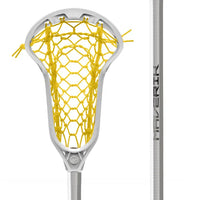
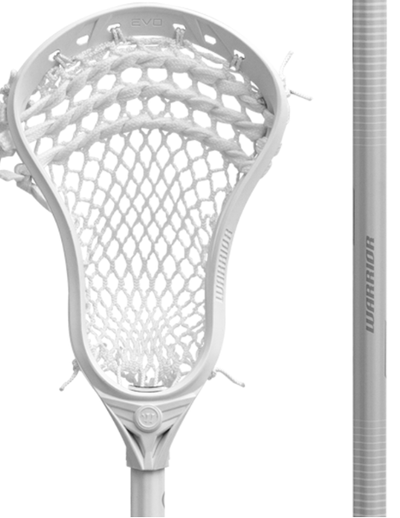
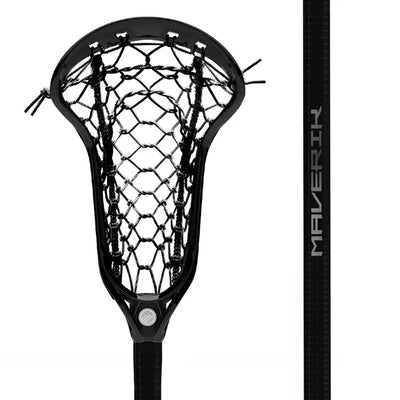
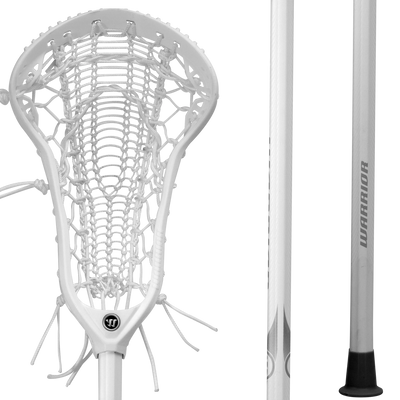
The game featured icons of the sport, such as Dana Dobbie, Charlotte North, Lizzie Colson, and Grace Griffin, who not only represent the pinnacle of lacrosse talent but are also ambassadors of the sport. Want to play like them? Start with the right stick: see our best women’s lacrosse sticks and best women’s lacrosse heads.
The brains behind this initiative, Paul Rabil, Co-Founder and President of the PLL, has been instrumental in promoting women’s lacrosse. From hosting the first women’s professional exhibition in Japan in 2019 to this All-Star game, Rabil’s efforts have been central to providing opportunities for female athletes.
Unleashed Women’s Lacrosse not only organizes premier training events nationwide but also sponsors teams for international exhibitions. This initiative is crucial in nurturing the next generation of women’s lacrosse talent and ensuring the sport’s continuous growth and evolution.
Final Thoughts
The Olympic Sixes format, a recent addition to the lacrosse world, is a game-changer. Its fast-paced, high-scoring nature is not just entertaining for fans but also challenges the players to adapt and excel in a different style of play. This format is a testament to lacrosse’s evolving nature and its ability to captivate a broader audience. (New to how the field game works? Here are the rules of lacrosse and how box lacrosse compares to field lacrosse.)
The Unleashed All-Star Game was a landmark event in the history of women’s lacrosse. It signified progress, not just in terms of the sport but in the broader context of women’s empowerment in athletics. This game was a beacon of inspiration, showcasing the exceptional talent of women athletes and setting the stage for future developments in women’s sports.
139 lacrosse terms and slang words, from apple and celly to top cheddar and yard sale, explained in plain English for new players, parents and fans.
CSConnor Stifel · General Lacrosse · Updated October 24, 2026 · 12 min read
The basics
139Terms and slang
Everything from the rulebook (offsides, failure to advance, EMO) to sideline slang (celly, flow, top cheddar).
A to ZJump to a letter
Use the letter bar to find a term fast, or read straight through to learn the language of the game.
Playing the game isn't enough. To really understand a sport, you need to know the terms and slang that go with it.
I've been playing lacrosse for over a decade, so I put together this list of the most common lacrosse terms and slang to make things easier for newbies. Whether you're a player or a fan, these are the words you'll hear on the field and on the sideline.
Coach's note: Half of coaching is talking. On a Saturday in upstate New York or Virginia Beach, you'll hear "ball down," "you're hot" and "check up" a hundred times. Up in Ontario, the box guys have a whole dictionary of their own. Learn the lingo and you'll pick up the game twice as fast, because you'll actually know what your coach is yelling.
We may receive a commission if you make a purchase through a link on this page at no cost to you. This helps us keep this site free & we appreciate your support!
Lacrosse terms and lacrosse slang, A to Z
#
10-Second Rule: Once a team gets the ball over midfield, the time it has to get the ball into the offensive box (boys' high school and college).
2-on-1: A play where two offensive players take on one defender (or a similar numbers advantage).
20-Second Rule: The time a team has to clear the ball from its defensive end over midfield.
2-Minute Rule: In boys' high school lacrosse, the team that's ahead has to keep the ball in the offensive box during the last two minutes of the game.
A
Apple: An assist, or a pass that sets up a goal.
Alley: The side areas of the field used for dodging or moving the ball.
Alligator Arms: When a player pulls their arms back on a catch, pass or shot, usually because contact is coming.
B
Ball Down: Called out when the ball is loose on the ground.
Body Check: Using your body to hit or block an opponent.
Ball Hog: A player who won't pass the ball to teammates.
Black Hole: A player who holds the ball too long and never moves it.
Braveheart: An overtime tiebreaker used in some youth and club tournaments where teams play with just one or two field players each.
Buddy Pass: A slow pass that's easy to intercept and gets your teammate lit up.
Back Door: Sneaking behind your defender to get open for a pass.
Man Down: When a team has fewer players on the field because of a penalty.
Man Up: When a team has more players on the field because of the other team's penalty.
Man-to-Man: A defense where each player guards one specific opponent.
Midfielder: A player who plays both offense and defense.
Motion Offense: An offense where players keep moving to create scoring chances.
MDD: Man-down defense, how a team defends while a player is in the penalty box.
Mom Goal: A goal that looks great but doesn't count because of a rule violation.
Mark Up: Calling out and picking up an opponent on defense.
Middie Beast: A midfielder who takes over the game.
N
Noodle: A player with weak skills, or a flimsy stick.
NCAA: The National Collegiate Athletic Association, which runs college lacrosse.
O
Out of Bounds: When the ball or a player crosses the boundary lines.
Overhand: A shooting or passing motion with the stick over the shoulder.
Overload: When players crowd one side of the field.
Off-Hip: Shooting at the goalie's off-stick hip.
Offsides: When a team has too many players on one side of midfield. In the boys' game, that's more than six in the offensive half or more than seven in the defensive half.
Overhand Shot: A shot taken with an over-the-shoulder motion.
On the Fly: Subbing players during live play without stopping the game.
Lacrosse lingo is the terms and slang players use to talk on the field, like "apple" (an assist), "ball down" (a loose ball) and "cradling" (keeping the ball in your stick).
What are the main rules of lacrosse?+
Key rules include the 20-second and 10-second clearing counts, the 2-minute stall rule in boys' high school, offsides, legal and illegal body checks, penalties and man-down play, possession on shots out of bounds, timeouts and equipment rules.
What is the ball called in lacrosse?+
It's simply called a lacrosse ball, a solid rubber ball. Brand-new balls are nicknamed "pearls."
What are the 5 parts of a lacrosse stick?+
The head, the pocket (mesh and strings), the throat, the shaft and the butt end. Each one plays a part in ball control.
What does man-up mean in lacrosse?+
Man-up means a team has an extra player on the field because the other team is serving a penalty.
Learning lacrosse terms and slang is essential for every player and fan who wants to fully enjoy the game. These words will strengthen your connection to lacrosse culture, and the next time someone yells "yard sale" or "top cheddar," you'll know exactly what happened.
From Jim Brown on down, football and lacrosse have a long crossover history. Here's why lacrosse makes football players better, and the gear you need to give it a shot.
CSConnor Stifel · General Lacrosse · Updated October 24, 2026 · 6 min read
The quick answer
SkillsThat carry over
Lacrosse builds agility, hand-eye coordination, communication and technical contact skills that make football players better.
SeasonsThat fit together
Lacrosse is a spring sport, so football players stay in shape and avoid burnout before fall camp.
Experienced athletes often say you need to focus on one sport to excel, and they're not entirely wrong. Specializing can pay off. But when it comes to football and lacrosse, you'd be surprised how much one sets you up for the other.
Both sports demand speed, physicality, smarts, tactics and stamina. For high school athletes still testing the waters, committing to one sport too early can lead to burnout or losing interest altogether.
The skills you build in each game carry over and contribute a ton to an athlete's growth.
In this article, I'll cover why so many football players have played lacrosse and how lacrosse helps football players.
Coach's note: Some of the best middies I've coached, from upstate New York to Virginia Beach, were linebackers and running backs in the fall. They showed up already knowing how to take a hit and run through contact, and lacrosse gave them soft hands and quick feet. Up in Ontario, plenty of football kids play summer box too. Two sports, one better athlete.
We may receive a commission if you make a purchase through a link on this page at no cost to you. This helps us keep this site free & we appreciate your support!
Athletes who played both lacrosse and football
Before I get into how useful lacrosse is for football players, let's talk about the ones who've already done it. Did you know Jim Brown, arguably one of the greatest football players ever, was also a lacrosse star at Syracuse?
Yep, he dominated both sports.
And he's not alone. Here's a list of players who have played both football and lacrosse.
[wpdatatable id=328]
These decorated athletes prove that excelling in one sport can fuel success in another. Who knows who's next on this list?
Lacrosse and football are two different sports, but they have a lot in common in how you use your body, your mind and your skills. You've probably heard plenty of times that a football player also played lacrosse.
Here are five main reasons the two go together.
1. Communication skills
Communication is key in both sports. One often-overlooked benefit of playing lacrosse in the spring is how much it boosts your on-field communication.
Players aren't shouting for fun. They're constantly relaying information to teammates: who has the ball, who's sliding, who's hot. Those quick calls may seem minor, but they make a huge difference.
Football coaches especially are always looking for players who can lead vocally and earn trust during games. Building that habit in lacrosse helps you stand out as a reliable leader in high-pressure moments.
2. Agility
Lacrosse is nonstop action. The constant movement builds the stamina that's crucial in football. No matter your position, you're moving your feet the whole game.
Lacrosse is all about quick, explosive movement, and that carries straight over to football.
3. Hand-eye coordination
Some football positions, like wide receiver, quarterback and defensive back, rely heavily on sharp hand-eye coordination. Lacrosse takes that skill to a whole new level.
Instead of catching and throwing with your hands, you use a stick as an extension of your body. That adds a whole new coordination challenge and forces you to adapt in ways you might not be used to. It's a great way to sharpen precision and control that pays off on the football field.
4. Physical strength
Lacrosse is a contact sport, and so is football. No surprise there. Every play involves collisions.
But lacrosse adds a twist. Instead of driving opponents into the ground, it's about mastering body checks and precise stick checks. That forces players to rethink body position and approach and makes them more technically sound in contact. See is lacrosse a contact sport?
5. Keeps athletes fit for football season
Football season starts not long after lacrosse season ends. That gives football players a great way to stay in shape, build strength and show up to camp ready.
Lacrosse builds agility, hand-eye coordination and strategic thinking, all of which help on the football field.
Playing multiple sports like lacrosse and football doesn't just build a well-rounded athlete. It also helps prevent burnout and leads to faster, more balanced development.
Lacrosse is growing across the country and around the world, and more and more football players are picking it up. The Premier Lacrosse League (PLL) has played a huge role in that growth, drawing in more athletes who want to see what lacrosse is all about.
High schools and colleges are also backing multi-sport athletes, encouraging them to try different sports to become more well rounded. With all these opportunities, the future looks bright for crossover athletes, and there's a good chance we'll see even more football players add lacrosse to their game.
Gear up to give lacrosse a shot
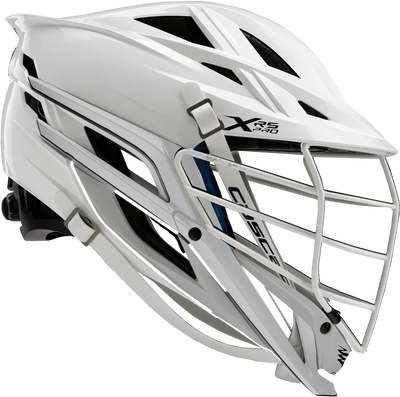
Football players already have the toughness. Here's the gear you need to get on the lacrosse field. Bigger guys who like contact often slide right into a long pole, like the Maverik A7 350 Defense Shaft ($129.99).
The basicsStick, helmet, pads and gloves. All at BattleLax.
Lacrosse improves agility, hand-eye coordination and communication. It also builds endurance, sharpens technical contact skills and keeps football players fit in the offseason.
What famous football player played lacrosse?+
Jim Brown, one of the greatest football players ever, was also a lacrosse star at Syracuse and is in the lacrosse Hall of Fame, making him a true dual-sport legend.
Which country plays lacrosse the most?+
The United States has the most players and hosts major leagues like the Premier Lacrosse League (PLL). Canada is right there too, where lacrosse is the national summer sport and box lacrosse is huge.
Is lacrosse rougher than football?+
Both are contact sports, but lacrosse is built around technical body and stick checks instead of tackles, so it's usually less punishing than football while being just as demanding.
How does lacrosse help football players?+
It builds transferable skills like stamina, quick decision-making and strategic thinking, so football players can excel in their roles and stay in shape year-round.
It's no accident that so many football players have played lacrosse. The crossover shows how well the two games complement each other. If you're a young player, I highly recommend playing both before you pick a specialty. Both sports will build skills that carry over. Then figure out what you're most passionate about and hit the field. Lacrosse gives you the skills, conditioning and mental sharpness that make you a better football player.
Is It Harder to Score in Boys' Lacrosse or Girls'?
Different rules, different sticks, different game. Here's how scoring really compares between boys' and girls' lacrosse, from a coach who's watched both from Ontario to Virginia Beach.
CSConnor Stifel · General Lacrosse · Updated October 23, 2026 · 6 min read
The quick answer
GirlsHarder to score, in my book
Shallow pockets, the shooting space rule and stricter contact rules mean every girls' goal takes precision and teamwork.
BoysHarder physically
Body checks, fast breaks and aggressive slides make the boys' game a tough physical challenge, even if there are more chances to shoot.
I was sitting in my living room with a girls' lacrosse game on TV, and it hit me how different the girls' game is. The girls in that game scored fewer goals than the boys usually do, and it got me thinking: is it harder to score in boys' lacrosse or girls'?
For me, scoring in girls' lacrosse is harder than in boys' lacrosse.
But the answer really depends on how you define "harder." If you mean sheer physicality and speed, boys' lacrosse is a tough challenge with its fast breaks and aggressive defense.
Girls' lacrosse, on the other hand, demands high accuracy and teamwork because of stricter rules and equipment limits.
Beyond the basics, the big differences are the rules, the equipment and the strategy.
Scoring levels also change a lot by age and level. At many youth and high school levels, boys' games tend to be higher scoring. At the college level, women's teams often put up just as many goals per game as the men, or more.
It all comes down to game dynamics, equipment and how much physicality is allowed on the field. Let's break down which side has the harder time scoring.
We may receive a commission if you make a purchase through a link on this page at no cost to you. This helps us keep this site free & we appreciate your support!
How does scoring in lacrosse work?
Scoring in lacrosse is simple. Each goal is worth one point, and the goal is to rack up as many as you can. When a player scores, the official signals the goal once the ball has fully crossed the goal line.
An assist is credited when a player sets up a teammate's goal. Assists are officially recorded too, which keeps scoring a team effort.
After a goal, play restarts with a faceoff in men's lacrosse or a draw in women's lacrosse.
Is it harder to score in boys' or girls' lacrosse? What the stats say
The numbers tell a big part of the story. Here's a table comparing average goals per game to give you an idea of how scoring stacks up between boys and girls.
[wpdatatable id=337]
At the youth and high school levels, boys' games generally create more scoring chances and tend to be higher scoring. But more goals don't make it easier. It's just a different ball game.
Some people think girls' lacrosse is boring and would rather watch the men's game because they think it's more difficult.
One of the biggest factors in scoring is how the game is structured. Boys' lacrosse is built on physicality and speed. That makes it more aggressive within the rules, which often leads to quick transitions and more scoring chances.
Boys' lacrosse allows body checking, so players wear a full set of protective gear like a helmet ($339.99), pads and gloves ($115.99). Girls' lacrosse restricts physical contact and relies more on skilled defensive technique, like stick checks.
Girls' lacrosse is all about skill and teamwork. Stricter contact rules and the 8-meter arc mean players have to lean on strategy and execution to score. That usually means fewer goals, but more calculated, skillful plays.
Girls also have to deal with the shooting space rule, which stops a player from shooting when a defender is in the shooting lane without being properly marked up. Boys don't have that restriction, so they can rip long-range shots.
Coach's note: I've run practices for boys in upstate New York and Virginia Beach and helped out with girls' programs too, and the girls' shooters who score consistently are surgeons. They pick corners, they move the ball and they can't just bully their way to the cage. On the boys' side, an Ontario box kid can bang one in through traffic. Both are skills. They're just different ones.
Equipment differences
You might wonder why equipment matters here. It plays a big role in how hard it is to score.
It also shows up in injury numbers. One study reported about 3.61 injuries per 1,000 athletic exposures for boys versus about 3.01 for girls.
To put lacrosse scoring in perspective, here's how average goals per game and time between goals compare with other sports.
Lacrosse scores more often than soccer or field hockey, and the differences between boys' and girls' lacrosse reflect the unique challenges of each format.
What is the difference between boys' and girls' lacrosse?+
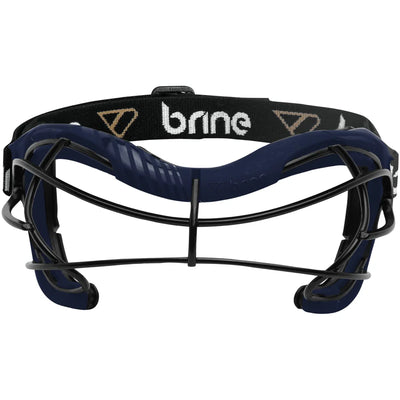
Boys' lacrosse is built on physicality and speed, with body checking allowed and helmets and pads required. Girls' lacrosse is built on strategy and finesse, with stricter contact rules and lighter protective gear like goggles.
Is girls' lacrosse hard?+
Yes. Girls rely heavily on precision, teamwork and advanced stick skills because of shallow pockets, stricter rules and the shooting space rule.
Is there a difference between men's and women's lacrosse?+
Yes. Men's lacrosse is more physical and aggressive, while women's lacrosse leans on skill, tactics and teamwork, with less protective gear and stricter contact rules.
What is the hardest position in girls' lacrosse?+
Goalie. It takes quick reflexes, precision and the nerve to stop hard shots with less protective gear than the boys' game.
Why do boys score more goals in lacrosse than girls?+
At many youth and high school levels, boys' games run higher scoring because of deeper pockets, faster shots and fewer shooting restrictions. At the college level, though, women's games often score just as much or more.
So, is it harder to score in boys' or girls' lacrosse? The jury's still out, but I think scoring in girls' lacrosse is harder. Either way, lacrosse isn't just a game. It's a feeling, and every goal, boys' or girls', takes real effort.
A beginner's guide to the field, equipment, positions, game structure, scoring, penalties, faceoffs and more, from a coach who's taught the game from Ontario to Virginia Beach.
CSConnor Stifel · General Lacrosse · Updated October 22, 2026 · 10 min read
The quick answer
10 v 103 attack, 3 middies, 3 D, 1 goalie
You move the ball only with your stick, and only the goalie can touch it with a hand, inside the crease.
4 x 15Four 15-minute quarters
Most high school, college and pro games run 60 minutes. Most goals count for one point, and the team with the most goals wins.
Lacrosse is a thrilling game packed with fun and excitement, and of course, a set of rules that make it even better.
As a beginner, it can be hard to learn all the rules at once. Don't worry. I put together this guide to cover the basics, including:
The field and equipment requirements
Players and their positions
The overall game structure
The key rules followed in most versions of lacrosse
Alright, players, time to learn the basics.
We may receive a commission if you make a purchase through a link on this page at no cost to you. This helps us keep this site free & we appreciate your support!
Field markings and equipment
Let's start with the field and the gear. Like any field sport, lacrosse has strict rules about field markings and legal equipment to keep the game fair.
Field dimensions and markings
The field is a rectangle, 110 yards long and 60 yards wide for men's field lacrosse.
Each goal sits inside a circle called the crease, about 18 feet across.
Equipment requirements
Lacrosse is a fast game, and you can't play it without the right gear. Men's field players need a helmet, shoulder pads, gloves, a stick (head and shaft) and, of course, a ball.
You'll also need a mouthguard and other pads like arm pads (things get nasty sometimes), depending on the version of the game, age group and league. Every helmet, shoulder pad and goalie chest protector also has to meet the NOCSAE standard for your level.
The basicsStick, helmet, pads and gloves. All at BattleLax.
Each team has 10 players on the field, each with their own role and position.
You might be wondering why it's 10 when a lot of team sports play 11. It is what it is. Back in the day, games could have hundreds or even thousands of players a side, and it was more than just a sport. Pretty wild, right? Learn more about where lacrosse originated (timeline included).
Each team only gets one goalie, so the position comes with high stakes and strict rules:
The goalie is the only player who can touch the ball with a hand, and only inside the crease.
When the goalie has the ball in the crease, they get 4 seconds to pass it or carry it out (at the high school level).
Once the goalie makes a save, the team has 20 seconds to clear the ball over the midfield line.
The goalie's stick has the biggest head on the field. Goalies have to wear a helmet, a throat guard, thick goalie gloves, a chest protector and a mouthguard, and most add a cup and padded pants for extra protection. Who wouldn't want the extra gear with 100+ mph shots coming at them?
Goalie starter kitStick, chest pad and throat guard. All at BattleLax.
Lacrosse overtime is sudden victory. The first team to score wins. If neither team scores in an overtime period, they keep playing more overtime periods until someone does.
Basic gameplay rules
Every version of lacrosse shares the same basic rules both teams have to follow.
Scoring goals
Teams score by shooting the ball into the other team's net.
Each goal counts for one point.
Any player can score.
The team with the most goals at the end wins.
In some leagues, like the PLL, goals from behind the two-point arc are worth two points.
The restraining lines keep players in position, so there are a few rules to follow:
[wpdatatable id=30]
These rules keep things balanced on faceoffs and in transition between offense and defense. Break them and you're offside, which means a turnover or a time-serving penalty.
Here are the officials and what each one does during a game:
[wpdatatable id=32]
Men's vs. women's lacrosse rules
Women's lacrosse is a little different. It doesn't allow body checking and only allows limited stick checking, while men's lacrosse is a full-contact game with tougher penalty and conduct rules.
A lot of lacrosse rules apply to specific situations and levels. Here are some common ones to watch for:
[wpdatatable id=33]
Goals and assists
Players score by shooting the ball into the other team's net for one point each. They can only use their sticks to carry or pass the ball to teammates, and offensive players have to stay out of the crease when they shoot.
Sportsmanship and conduct
Lacrosse conduct guidelines set the standard for a game built on respect, fairness and sportsmanship. Good sportsmanship means:
Respecting your coaches, teammates and opponents
Playing fair, with honesty, humility and grace
Never arguing, taunting, cheating or disrespecting the officials
Putting every player's safety first
Coach's note: The game started with the Haudenosaunee as the Creator's Game, and whether I'm coaching box kids in Ontario, youth teams in Virginia Beach or high schoolers in upstate New York, I tell them the same thing: respect the game. Learn the rules, shake hands after, and never take a cheap shot. The refs will notice, and so will everyone watching.
Gear up
Got the rules down? Here's what you need to hit the field.
Game-day checklistBalls and cleats to round out your kit.
Lacrosse rules cover the field, the equipment, the players and positions, how the game is timed, how you score and what's a penalty. Teams play 10 a side, move the ball only with their sticks and score by shooting into the other team's goal.
What equipment do you need for lacrosse?+
Men's field players need a helmet, shoulder pads, arm pads, gloves, a mouthguard, a stick and cleats. Goalies add a chest protector, throat guard, goalie gloves and a goalie stick. Women wear goggles and a mouthguard, with optional soft headgear.
What are the positions in lacrosse?+
Each team has 10 players on the field: 3 attackmen, 3 midfielders, 3 defensemen and 1 goalie.
What are the goalie rules in lacrosse?+
The goalie is the only player who can touch the ball with their hand, and only inside the crease. In high school, a goalie with the ball in the crease has 4 seconds to pass it or leave the crease, and the team has 20 seconds to clear the ball over midfield.
How long is a lacrosse game?+
Most high school, college and pro men's games are four 15-minute quarters, about 60 minutes of game time. Youth games are shorter. NCAA women's lacrosse also plays four quarters.
Now that you know the rules of lacrosse, you're ready to learn more about the game. Gear up, grab your stick and get on the field. Play with heart, keep it fair, stay behind your restraining line and follow the rules. Have fun, and make every moment on the field count.
16 attack heads tested for face shape, weight, stiffness, pocket placement and scoop, plus budget picks, the head rules and the heads you can order today at BattleLax.
DRDave Rathmanner · Heads · Updated October 22, 2026 · 16 min read
Top pickGAIT
Coach's pick: the Gait Mustang for its big sweet spot, durability and fast shots. Outside shooters should also look hard at the StringKing Mark 3V. Both are in stock at BattleLax.
We may receive a commission if you make a purchase through a link on this page about the best attack lacrosse heads at no cost to you. This helps us keep this site free & we appreciate your support!
A good head and string job matters more for attackmen than any other position on the field.
Attackmen carry the ball, run the offense, dodge one-on-one against poles and shoot all game long. An attack head needs the right balance of durability and light weight, with a face shape that helps your control and accuracy.
To find the best attack heads, I started with 25 options built for attack or offense in general. I looked at what college players use and what sells best, read customer reviews and hit my local lax shops to get them in my own hands. The result is the 16 best attack heads below, including where each one shines and where it falls short.
Coach's note: I've coached attackmen from upstate New York to Virginia Beach, and plenty of box kids up in Ontario who could hide the ball in a phone booth. The best ones never blamed the head. They found one they trusted, strung it the same way every time and lived on the wall. Pick the head that fits how you play, not the one your favorite pro uses.
Heads up: BattleLax carries a lot of these heads, including the Gait Mustang, Optik Force, Torq 3, Mark 3V, Kinetik 3 and Burn XP2-O. For the rest, I point you to the closest head they stock, and you'll find the full list below.
"Buy" goes to the head on BattleLax. "Alt" goes to the closest head BattleLax has in stock. See what the top college programs are playing in the NCAA men's lacrosse rankings.
Best attack lacrosse head reviews
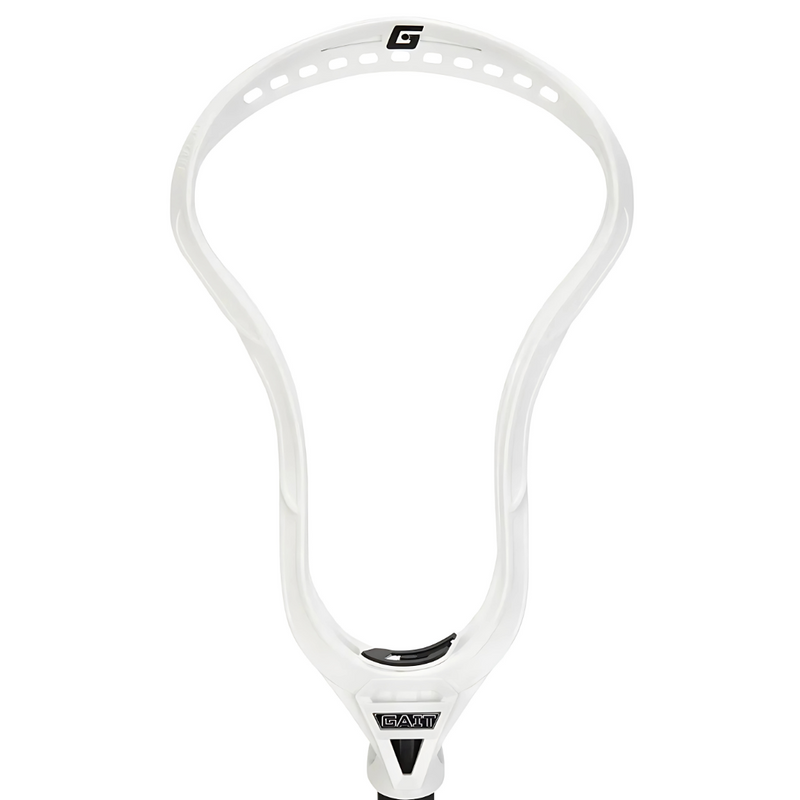
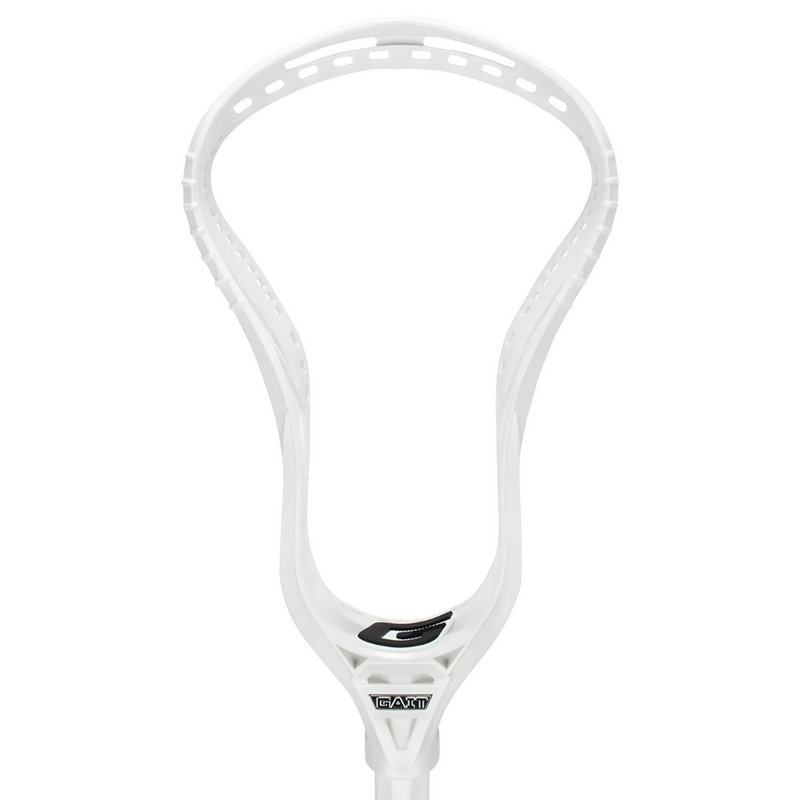
1. Gait Mustang Lacrosse Head Top pick
[wpdatatable id=426]
The Gait Mustang has been in my bag of attack heads for two years, and the plastic still doesn't have a mark on it. The wider face and stiff top give you a bigger sweet spot, so it's easier to catch and control passes in traffic.
The pinched sidewalls cut down on spread and make your feeds more accurate. I ripped some long-range shots with it, and it shot faster than the Maverik Optik Force.
It's stiff, so it doesn't give much on checks and doesn't soak up impact well. Still, it helped me hang onto the ball under pressure. The slightly curved, less pinched throat feels secure cradling in tight spaces.
The aggressive scoop and rounded edges make ground balls easy, even in traffic. Gait's Critical Cavity Technology also cuts weight and protects your top lace.
The mid-high pocket and max offset give you great control and feel. It's a chunky-looking head, but the Mustang gives you the perfect mix of stiffness and durability.
See it liveNorthern Soul Sportswear on YouTube
Pros
Slightly flexible sidewalls absorb checks
Fast long-range shots
Very durable
Lots of sidewall holes
Cons
A little heavy
Doesn't absorb impact well
At BattleLax: In stock now. Grab the Gait Mustang ($99.99) straight from BattleLax.
Nike built the Surge Elite with stiff Powerfoam plastic, which makes it great for attackmen. At about 4.7 ounces, it shoots fast and passes accurately.
The slightly pinched sidewalls set up a mid-high pocket and gave me great control for quick releases. The ball stayed centered whether I was feeding on the run or shooting from outside.
The deep offset and aggressive scoop funnel the ball right into the pocket, and the narrow throat and pinched face kept it locked in when I was cradling in traffic.
The rounded scoop helped me pick up ground balls from all kinds of angles without having to get too low.
It felt too stiff the first few games, but once it broke in, it was really responsive on quick feeds and checks. It's not as forgiving as the Nike Lakota 3, but its durability and consistent shooting put it among the top attack heads out there.
See it liveNorthern Soul Sportswear on YouTube
Pros
Fast shots
Minimal spread
Deep offset for easy cradling
Cons
Long break-in
BattleLax pick: BattleLax doesn't carry the Nike Surge Elite. For a stiff, light attack head they stock, go with the StringKing Mark 3A ($119.99).
3. Maverik Optik Force Lacrosse Head Most accurate
[wpdatatable id=428]
Next up is the Maverik Optik Force, the successor to the Optik 3. At about 4.85 ounces, the Force-tech plastic has an outstanding strength-to-weight ratio. It's stiff and durable but light.
The shorter throat and honeycomb ball stop let you choke up for powerful releases, and my shots stayed accurate even from distance. It doesn't shoot quite as fast as the Nike Surge Elite, though.
The quick release and responsiveness let me deliver fast feeds on the run, so it's a great attack head if you value accuracy over raw speed.
I strung it with a mid-low pocket using StringKing Type 5 mesh, which gave me better control and cradling than a low pocket. The pinched rails kept the ball locked in on quick stick work and dodges.
The face is wide enough to catch passes easily. The tapered edges made side-angle pickups a little tricky, but the aggressive scoop still cleaned up ground balls with two or three guys swarming.
See it liveNorthern Soul Sportswear on YouTube
Pros
Great strength-to-weight ratio
Consistent release
High-quality plastic
Sharp ball stop
Cons
Not as fast a shooter as some
Side-angle ground balls are tricky
At BattleLax: In stock now. Grab the Maverik Optik Force ($109.99) straight from BattleLax.
Gait gave the Torq 3 a noticeably different face shape and design than the Torq 2. At about 4.5 ounces, it's one of the lightest attack heads out there, so your stick work takes less effort and your dodges and feeds get quicker.
The wider face is great for crease attackmen who want a quick release and fast shots. The shape also helps you control the ball in fast-paced offense, so it's less likely to get knocked loose.
The moderately angled, parallel sidewalls held the ball well, and the tighter channel kept it secure through constant checks. I cradled through traffic with ease and scored plenty on the run. The lower walls don't flex much, though, which can lead to the odd off-center shot with a little rattle.
It's stiffer than the Torq 2 but a little softer than the Maverik Optik, so it has some give. That makes it less likely to crack on impact and helps it hold its shape when you shoot.
See it liveTotal Lacrosse on YouTube
Pros
Light and durable
Well-spaced sidewall holes
Wide face for easy catching
Little to no spread
Cons
Stiff pocket
At BattleLax: In stock now. Grab the Gait Torq 3 ($99.99) straight from BattleLax.
5. StringKing Mark 3V Lacrosse Head Best for outside shooters
[wpdatatable id=430]
As an outside attackman, I count on fast, accurate shots from the perimeter, and I love the optimized throat on the Mark 3V. It keeps the ball from getting stuck and gives you a smooth, controlled release.
The ultra-strong plastic is extremely durable and warp resistant. Even with rough use, it held its shape and stiffness in extreme temperatures.
StringKing's strut design keeps the sidewalls stiff enough to absorb impact and cut down on unwanted flex, so the release stays consistent and predictable.
The secure locking bolt cut down on head rattle and gave me a solid connection to the shaft. It has 32 sidewall holes for a ton of stringing options, but I saw some spread on long shots with a shallow mid pocket.
So I strung it mid-high for even more power. Younger players should change up the pocket depth to avoid losing the ball in traffic, since the stiff profile is less forgiving when you're cradling through a crowd.
Otherwise, it's a great head for high-level outside attackmen who want durability and speed.
See it liveLacrosseMonkey on YouTube
Pros
Extremely durable and weather resistant
Stiff strut design absorbs checks
Consistent ground balls
32 sidewall holes
Cons
Pocket depth needs adjusting for young players
Some spread on long shots
At BattleLax: In stock now. Grab the StringKing Mark 3V ($119.99) straight from BattleLax.
I've used the ECD Mirage 2.0 for two years, and it's a really versatile head. Even years after its release, it's still one of the top picks for attackmen and offensive middies. The face is nicely pinched for tight ball control.
It's heavier than most heads on this list at about 5.0 ounces, but the plastic is durable and weather resistant. Other than a few crease marks, it showed no wear even after constant practice.
The deep offset holds the ball well and gives you a smooth release on passes and shots. The well-spaced stringing holes set up a mid to mid-high pocket. I bought it pre-strung and love how easily it generates power on outside shots and step-downs.
The pocket holds the ball higher, which gives you better control shooting on the run. If you like a lower pocket for dodging or feeding from X, go with the Maverik Optik Force.
Either way, the stiff top rail and wider face add shot speed and keep the head from warping during the game.
See it liveTop String Lacrosse on YouTube
Pros
Durable and weather resistant
Warp resistant
Generates power on outside shots
Cons
Heavy
Fewer sidewall holes
BattleLax pick: BattleLax doesn't carry the ECD Mirage 2.0. Its successor, the ECD Mirage 3.0 ($109.99), is the one they stock.
The Maverik Kinetik 3 is an exciting update for offensive players. It has a slightly narrower face than the Kinetik 2, which is one of my all-time favorite shapes.
What I love most is how versatile it is. It's labeled for outside shooters, but it's just as good for crease work and quick catch-and-shoots. The narrow channel keeps the ball snug, so I'm confident winding up or faking inside.
Duratuff plastic keeps the Kinetik 3 stiff, even in extreme conditions. Trust me, it held up fine at 106°F. The curved scoop funnels the ball into the pocket when you're fighting for it around the crease.
The Tension Lock let me string a well-defined channel for maximum hold, and the shorter throat with two screw holes locks the head on tight. No wobble at all.
See it liveECD Lacrosse on YouTube
Pros
Narrow profile for control
Tension Lock for easier stringing
Warp resistant
Durable Duratuff plastic
Cons
Less surface area for off-angle catches
Expensive
At BattleLax: In stock now. Grab the Maverik Kinetik 3 ($109.99) straight from BattleLax.
The STX Stallion Prism is built for attackmen and offensive middies who like a balanced head. It came out in 2025 in two bold looks, neon "slime" and fully clear, and it turns heads on the field.
At about 5.3 to 5.4 ounces, it's heavier than the Stallion 1K, thanks to thicker sidewalls. That extra weight actually made my shots more accurate, and the shorter throat gives you good hand placement for shots from range.
The stiff sidewalls absorb impact well, and the moderately wide face gives you great control on ground balls and catches. I strung a mid pocket, which gave me a good balance of hold and a quick, clean release for feeds and close-range shots.
Pros
Great shot accuracy
Stands-out look
Short throat for better hand placement
Stiff walls absorb impact
Cons
Expensive
A little heavy
BattleLax pick: BattleLax doesn't carry the STX Stallion Prism. BattleLax doesn't carry STX heads. For a light, pinched attack head they stock, go with the ECD Ion ($119.99).
The Optik 3.0 was Maverik's elite attack head before the Optik Force came along, and it's still a great head if you can find one.
Compared to the Optik 2.0, which used to be our highest-rated attack head, the 3.0 has a shorter throat for more control cradling one-handed, more sidewall holes (20 on each side) and a little more stiffness.
It has a tight pinch through most of the head, which gives you more control dodging and more accuracy shooting and passing. The extra stringing holes and Maverik's Tension Lock make it super easy to string.
With a low offset, it's great for low or mid-low pockets. If you like a mid-high pocket, go with something else.
Overall, it's an amazing attack head, with a great face shape, plenty of stiffness and a short throat that helps one-handed cradling.
See it liveECD Lacrosse on YouTube
Pros
Light
Stiff and durable
Tight face shape
Short throat for one-handed cradling
Cons
Not great for mid-high pockets
BattleLax pick: BattleLax doesn't carry the Maverik Optik 3.0. The newer Maverik Optik Force ($109.99) replaced it, and that's the one they stock.
The STX Surgeon 900 makes the list for its light weight, narrow face and stiff plastic.
It's one of the lightest heads ever made, at only about 4.4 ounces, and it's surprisingly stiff for how light it is. It's not quite as stiff as some bulkier, heavier attack heads like the ECD Rebel Offense, though.
The face is narrow all the way up. It pinches tight until about halfway, then flares toward a scoop that's still pretty narrow. That makes it great for carrying the ball, whether you're dodging from X, coming off the wing or going down the alley.
STX also gave it the Speed Scoop, which is great for ground balls at any angle and hangs slightly over the top string holes so your strings don't get in the way.
See it liveGopherLax 5 on YouTube
Pros
Extremely light
Narrow face
Great scoop
Cons
Not as stiff as some
BattleLax pick: BattleLax doesn't carry the STX Surgeon 900. BattleLax doesn't carry STX heads. For a super-light attack head they stock, go with the ECD Ion ($119.99).
If you want an attack head with a slightly wider face, the StringKing Mark 2A is a great option.
It pinches toward the throat but starts flaring out lower than a lot of heads. That helps you catch, but you give up a little hold depending on your string job.
It has a traditional offset toward the throat, so it's easy to string the low pockets that are great for one-handed cradling. Like most StringKing heads, it has a ton of sidewall holes, too.
It's pretty stiff for how light it is and should hold up well over a season. The flat scoop is good on ground balls and helps with a quicker, more accurate release.
If you want an attack head with great stringing options and a great strength-to-weight ratio, the Mark 2A is a solid choice.
See it liveRedStarLacrosse on YouTube
Pros
Lots of sidewall holes
Great scoop
Very light
Low offset for one-handed cradling
Cons
Wider face than some
BattleLax pick: BattleLax doesn't carry the StringKing Mark 2A. Its successor, the StringKing Mark 3A ($119.99), is the one they stock.
The Epoch Integra Z-One is another great attack head thanks to its light weight and tight face. It has one of my favorite face shapes on this list.
It pinches through most of the head, then flares toward the scoop, which helps with ball control and accuracy.
Epoch did a great job with the sidewall holes. There are larger holes up top for your top string, lots of smaller holes through the middle, and bigger ones again toward the throat.
The max offset sits low, so it's a good head for low pockets, which a lot of attackmen like.
On the downside, Epoch seems to have given up a little stiffness to make it lighter. It's not flimsy, but if you want a really stiff head, it might not be for you.
Pros
Tight face
Smart sidewall hole layout
Pretty light
Cons
Not as stiff as some
Not great for mid-high pockets
BattleLax pick: BattleLax doesn't carry the Epoch Integra Z-One. For an offensive head they stock, go with the Adrenaline Automatic Offensive Head ($99.99).
The Burn XP2-O is the offense head in Warrior's Burn line, and it has a tight face that works for any offensive player.
It's built for outside shooters but plays well all over the field. It flexes in specific spots to generate more power on big shots.
That flex takes some getting used to and can cause some trouble on ground balls, but the Therma-Loc plastic helps keep it from going soft in the heat.
It has a pretty dramatic offset toward the throat that it holds until about two-thirds up the head, so you can string almost any pocket. If you're an attackman who likes anything from a low to a mid pocket, it's a solid choice.
You can also get it with the built-in Warp pocket. I like to string my own, but the Warp pocket has gotten better over the years. It also has a removable Loc-Throat to cut down on head rattle, and you can take it out if you don't want the extra weight.
See it liveLacrosseMonkey on YouTube
Pros
Tight face
Great for outside shooting
Strings almost any pocket
Loc-Throat cuts head rattle
Cons
More flex than most (built for outside shooting)
At BattleLax: In stock now. Grab the Warrior Burn XP2-O ($119.99) straight from BattleLax.
The ECD Rebel Offense is a great pick for attackmen and middies. It's stiff, pretty light and has a great face shape.
It pinches toward the throat and starts flaring a little lower than many offensive heads, and the scoop is a little narrower than most.
My favorite part is the stringing flexibility. The max offset is in the middle of the head, so you can string anything from mid-low to mid-high. Like most ECD heads, it has plenty of well-placed stringing holes, and I found a sidewall pattern I liked right away.
The scoop picks up ground balls from all kinds of angles and has a slight lip so your top string doesn't get in the way. Overall, it's a versatile head that should work for most attackmen.
Pros
Works with lots of pocket placements
Stiff for an offensive head
Lots of stringing holes
Great face shape
Cons
A little heavier than some
BattleLax pick: BattleLax doesn't carry the ECD Rebel Offense. For a versatile ECD offensive head they stock, go with the ECD Mirage 3.0 ($109.99).
If you liked the Proton Power, Super Power or Ultra Power, you'll love the Hyper Power, the next head in that series.
Like the Ultra Power, it has STX's Power Ramp geometry, with a traditional offset toward the throat that comes back forward toward the scoop. The idea is to push the ball down and forward so you can wind up more and hold the ball in the head longer for extra shot speed. It's unique, so it takes some getting used to.
The Power Ramp also makes high-angle ground balls easier. You don't have to drop your butt end as low since the scoop is already angled forward.
Compared to the Ultra Power, the Hyper Power has a tighter face that's closer to a Stallion. It works at any position, but we recommend it for players who like a mid to mid-high pocket.
Pros
Very stiff and durable
Great on ground balls
Power Ramp adds shot speed and accuracy
Cons
Not as many long-term reviews
A little heavier than some
BattleLax pick: BattleLax doesn't carry the STX Hyper Power. BattleLax doesn't carry STX heads. For a head that likes a mid to mid-high pocket, go with the Maverik Havok 2.0 ($109.99).
The Warrior Evo QX2-O is part of Warrior's popular Evo line. The O stands for offense, and that's exactly who it's built for.
It improves on the original QX-O with a tighter face, more stiffness and a better scoop. The face is similar to the Evo 5 and QX-O, with a pinched throat that opens up to a wide scoop, but the QX2-O is a little more pinched for better control.
It's even stiffer than the QX-O. The Therma-Loc+ plastic and updated strut design make it one of the stiffest offensive heads out there. Warrior also rounded out the scoop and trimmed extra material, so it's lighter than the last version.
Like most attack heads, it's built for low to mid-low pockets, which are great for one-handed cradling and quick feeds, and it has lots of stringing holes. Some players say the sidewall holes end early, so you may have to tie off sooner than you'd like.
Pros
Very stiff
Nice face shape
Throat lock eliminates rattle
Cons
Can be tricky to string
BattleLax pick: BattleLax doesn't carry the Warrior Evo QX2-O. For Warrior's newer Evo head they stock, go with the Warrior Evo V ($99.99), or the original Evo QX-O ($99.99).
Looking for a cheaper head? There are some solid options. Just because a head is cheaper doesn't mean it's bad. A lot of the time, it's an older model stores are clearing out for the new releases. More in our cheap lacrosse heads guide.
STX Surgeon 700: The older version of the Surgeon from 2017. It has a very similar face to the Surgeon 900 but is a lot heavier. Even so, it's very stiff for an attack head and has the Speed Scoop for ground balls.
Brine King 2: Another 2017 head and a cheaper option if you want to save a few bucks. It's pretty heavy for an attack head at around 5.2 ounces, but it's durable with a decent face shape.
Brine RP3 II X: Designed with Rob Pannell, this head has a lot of what attackmen look for. It's pretty light at about 4.9 ounces and built mainly for low pockets, though the face is wider than a lot of attack heads.
Epoch iD Vision: Built for players around U14. The face is a little wider than higher-level attack heads, but it's a much better option than most youth and intermediate heads, and it's designed for a low to mid-low pocket.
BattleLax pick: BattleLax doesn't carry these older heads. For an attack head that won't break the bank, the Gait Mustang ($99.99), Gait Torq 3 ($99.99) and Warrior Evo QX-O ($99.99) are all under $100.
What to look for in an attack lacrosse head
With so many attack heads out there, it's hard to pick. Here's what matters most.
1. Face shape
Most attackmen like a narrow face, especially in the bottom half of the head. A tight pinch keeps the ball in your stick, which is huge when you're carrying the ball a lot. There are exceptions. Crease attackmen may want a wider head to catch passes easier, and newer players may want a wider face until they're confident catching.
2. Weight
Weight is probably next. Lighter heads are easier to handle and help you shoot faster since your stick moves faster. I consider any offensive head under 5 ounces light, and anything under about 4.6 ounces extremely light. See our lightest heads and shafts.
3. Stiffness and durability
Stiffness doesn't matter as much on attack as it does on D, but it still counts. You don't want a head that bends sideways every time you scoop a ground ball. Stiff heads also hold their shape when you get checked, so your passes and shots stay consistent. Don't just judge a brand-new head. Read reviews to see how it holds up, since some heads feel stiff new but go soft in the heat or break after some use.
4. Pocket placement
Pick a head built for the pocket you like. Look at the side profile and find the max offset, where the bottom rail sits lowest. Most attackmen like a low pocket for one-handed cradling, so look for a max offset toward the throat. If you want more whip, a head built for a mid pocket might be better.
5. Scoop
Make sure you like the scoop. A good one gives you confidence picking up ground balls at any angle. More angled or curved scoops let you pick up the ball with your stick higher off the ground, while flat scoops make you bend over more, which can slow you down.
6. Stringing holes
Unlike when I played in high school, most heads now have plenty of stringing holes, but it still varies. Check the number and size of the sidewall holes to make sure they'll work with your stringing pattern.
7. Strung vs. unstrung
A few years ago, I'd have told you to always buy unstrung and string it yourself or have someone do it. These days, brands like ECD and StringKing put out much better string jobs, so strung heads are a real option. Just research whether players like the string job, and stay away from shallow factory pockets.
High school and college head rules
Since 2018, NFHS (high school) head rules have matched NCAA (college) rules. Before that, high school heads could be narrower at the throat but had to be wider at the scoop, and vice versa for college. Now any head that meets NCAA rules is legal in high school too. Here are the width rules:
At least 6" wide at the widest part of the head
At least 3.5" wide, front and back, at 5" up from the throat
At least 3" wide at 3" up from the throat
At least 3" wide at 1.25" up from the throat
Any head released since 2018 should meet these rules. If you're buying a head from 2017 or earlier, check that it meets NCAA specs. If it does, it's also legal under current NFHS rules. If not, it's likely illegal for both. Read more: What makes a lacrosse head and pocket legal?
How we rate attack lacrosse heads
We take our ratings seriously and only recommend gear we'd use ourselves. To rate each head, we test it ourselves whenever we can, dig into the specs (weight, stringing holes and so on), and read reviews and talk to players we know who use it.
When we test attack heads, we take them to the field and pass, catch, shoot, scoop ground balls and take checks, all with a standard pocket to cut down on variables. When we can't fully test a head, we spend extra time talking to players who've used it for a while. If you have feedback or want us to add a head, let us know!
Mesh and gear to go with your new head
If you buy unstrung, you'll need mesh and strings. Here are my top picks, all at BattleLax. Check out our best lacrosse mesh guide for more.
Prices and stock change, so check the product page before you order.
People also ask
What is the best lacrosse head for attack?
Our top pick is the Gait Mustang for its big sweet spot, durability and fast shots. The Maverik Optik Force, StringKing Mark 3V and Maverik Kinetik 3 are right behind it, and all four are in stock at BattleLax.
What face shape is best for attackmen?
Most attackmen like a narrow face, especially in the bottom half of the head, because a tight pinch helps you hold the ball while dodging. Crease attackmen and newer players may prefer a slightly wider face for easier catching.
How much should an attack head weigh?
Anything under 5 ounces is light for an offensive head, and under about 4.6 ounces is extremely light. Lighter heads move faster, which helps your shot and stick work.
What pocket is best for attack?
Most attackmen like a low or mid-low pocket for one-handed cradling and protection. If you want more whip on your shot, a mid pocket is a good middle ground.
Are all attack heads legal for high school and college?
Since 2018, NFHS and NCAA head rules match, so a head that meets NCAA specs is legal in high school too. Older heads from 2017 or earlier may not meet the current rules, so check before you play.
The main season is spring, but lacrosse never really stops. Here's when youth, high school, college and pro lacrosse are played, plus the big events and how weather can shake things up.
CSConnor Stifel · General Lacrosse · Updated October 22, 2026 · 7 min read
The quick answer
SpringFebruary to late May
High school and college lacrosse in the U.S. is a spring sport, wrapping up around Memorial Day.
All yearSummer, fall and winter too
Pro and club ball run in the summer, fall ball in the fall, and indoor box lacrosse in the winter.
Whether you're a fan or a player, you want to know when lacrosse season is so you don't miss any of the action. You're in the right place. In this article, I'll cover when the lacrosse season starts and ends, and how the youth, high school, college and pro seasons differ.
The good news? You can catch lacrosse all year long.
Lacrosse is called the fastest game on two feet, and it's played indoors and out. Whether it's a college game or a pro league, you can find lacrosse any time of year, but most of it happens in the spring.
We may receive a commission if you make a purchase through a link on this page at no cost to you. This helps us keep this site free & we appreciate your support!
When is lacrosse season in North America?
In the U.S., lacrosse season owns the spring, running from about February or early March to the end of May. That three-month-or-so window covers most high school and college lacrosse, unless weather or something unexpected pushes games around.
Up in Canada, it's a little different. Box lacrosse is the national summer sport, so a lot of Canadian kids are in the rink from spring right through the summer.
Lacrosse season brings a ton of leagues and tournaments all over the world. The size of the league and the number of teams help decide how long the season runs. More teams and a bigger league usually means a longer season.
Youth lacrosse is local leagues with simpler rules for kids roughly 8 to 14 (start them with one of the best beginner and youth lacrosse sticks), usually from early spring to early summer. It's all about building skills, teamwork and sportsmanship.
[wpdatatable id=16]
High school lacrosse
High school lacrosse follows the standard high school rules and is played by teens about 14 to 18 who are sharpening their skills and learning the strategy they'll need for college.
[wpdatatable id=17]
If you're a high school lax fanatic wondering how long the season is, the varsity season itself is in the spring in most states. But the game doesn't stop there. Players keep going with summer club teams, showcases and fall ball, so you can find high school players on the field just about all year.
College lacrosse
College lacrosse includes NCAA programs and club teams. It follows NCAA rules and features serious training and advanced tactics.
[wpdatatable id=18]
For the most accurate dates, check your team's schedule and your conference's website, since every program sets its own.
People often ask, "Is lacrosse a fall sport?" Not mainly, but in a way, yes. You don't have to wait until spring to watch or play. Fall ball programs, off-season leagues and training at home are going full force every fall.
Here's when the major pro leagues play, based on recent seasons. Dates shift a little every year, so check each league's schedule.
Premier Lacrosse League (PLL)
The PLL plays outdoor field lacrosse, usually from late May or June through its championship in September.
[wpdatatable id=20]
National Lacrosse League (NLL)
The NLL plays box lacrosse, an intense indoor game, through the winter. The regular season typically starts in late November or December and runs into the spring, with the playoffs and finals wrapping up in May or June.
[wpdatatable id=25]
United Women's Lacrosse League (UWLX)
The UWLX gave top women's players a pro stage in the summer, usually June and July. The league ran from 2016 to 2019.
[wpdatatable id=26]
Athletes Unlimited Pro Lacrosse
Athletes Unlimited Pro Lacrosse showcases the best women's players and helps grow women's sports, usually playing in July and August. The league started in 2021.
[wpdatatable id=24]
Women's Professional Lacrosse League (WPLL)
The WPLL was another well-known women's league, but it folded in 2020.
Key events during lacrosse season
These are the biggest events and games on the lacrosse calendar:
NCAA men's and women's lacrosse championships
Premier Lacrosse League (PLL) playoffs and championship
National Lacrosse League (NLL) Finals
High school state championships
Athletes Unlimited Pro Lacrosse championship
College rivalry games like Duke vs. North Carolina and Maryland vs. Johns Hopkins
Major League Lacrosse (MLL) used to be on this list too, but it merged into the PLL after the 2020 season.
Here are some of the most successful teams at different levels. They've been at the top of their competition year after year.
How weather and other factors affect the season
Your love for the game can carry you through a season, but the weather fights back. If you've ever played an early-March game in upstate New York, you know exactly what I mean.
Storms, heavy rain, snow and extreme heat can cancel or reschedule games. Bad weather also hurts how players perform, leaving fields slick or rock hard.
Bigger disruptions, like pandemics or natural disasters, can throw off the whole schedule too, leading to cancellations and travel restrictions. The 2020 spring season is the one nobody's going to forget.
Tips for players, coaches and fans during the season
Players
Take care of your nutrition, hydration and your body and mind. Keep training consistently with lacrosse training drills to sharpen your stick skills, shooting and defensive technique.
Coaches
Keep your players motivated all season long. Give them honest, constructive feedback, and build a culture of trust, respect and teamwork.
Fans
It's all about the fans, right? Keep supporting your team win or lose, and appreciate the game. Celebrate the wins and stay loyal through the losses. A victory dance never hurt anybody.
Lacrosse season brings excitement and opportunities for fans, players and coaches alike.
Sarah, who has supported the Philadelphia Waterdogs for years, says:
"What makes lacrosse season special is the sense of community and excitement that fills the air. There's a shared passion and energy that brings everyone together." Sarah, Philadelphia Waterdogs supporter
Players feel the buzz too, no matter the level. Emily, a high school player, says:
"Lacrosse season is special because it's a time when we come together as a team, pushing each other to be the best we can be. The bond we share both on and off the field is something truly unique and irreplaceable." Emily, high school lacrosse player
Coach Smith, a college coach, says the season has a life of its own:
"The lacrosse season is a journey of growth, resilience, and mutual support. It's about instilling a love for the game in my players and watching them develop not only as athletes but as individuals." Coach Smith, college lacrosse
Get season-ready
Coach's note: In upstate New York, our first practice was usually in a gym because the field was still under snow. In Virginia Beach, the kids are outside in February. Up in Ontario, the box guys are just getting going when the field season wraps up. Wherever you play, the players who show up ready on day one are the ones who did their wall ball all winter. Check your gear before the first whistle, not after.
First practice checklistStick, balls, gloves and cleats. All at BattleLax.
The main lacrosse season runs from about February through late May in the U.S., which is why it's called a spring sport. But you can play or watch lacrosse all year, with summer pro and club ball, fall ball and indoor box lacrosse in the winter.
When is lacrosse season in America?+
High school and college lacrosse in the U.S. is played mostly in the spring, from about February or March through late May, wrapping up with state championships and the NCAA tournament around Memorial Day. Weather can push some games around.
How does the lacrosse season vary by league and level?+
Season length depends on the level (youth, high school, college or pro), the number of teams, the league size and the region. Youth and high school are mostly spring, college runs late winter through late May, and the pro leagues fill in the summer and winter.
Is lacrosse season all year round?+
The peak is spring, but lacrosse never really stops. There's summer club ball and pro lacrosse, fall ball and showcases, and indoor box lacrosse in the winter.
How long does each level's season last?+
Youth usually runs early spring to early summer. High school runs late winter or early spring to late spring, depending on your state. College runs from about February to the NCAA championships in late May. The PLL plays in the summer, and the NLL plays through the winter and spring.
Now you know when lacrosse season is and how long it runs at every level. Time to grab your gear and get on the field, or go cheer on your team.
How to measure your hand, what glove sizes actually mean, how Maverik, STX and Warrior fit, and how to make sure your next pair fits like a second skin.
CSConnor Stifel · General Lacrosse · Updated October 22, 2026 · 7 min read
The quick answer
MeasureBase of palm to middle fingertip
Lay your hand flat and measure from the first wrist crease to the tip of your middle finger, then check the brand's chart.
SnugNo extra room at the fingertips
Gloves should fit like a second skin. Don't buy big to grow into.
When I first started playing, finding good info online wasn't as easy as it is now. I walked into a store and bought the flashiest, most expensive pair of gloves I could find, figuring they had to be the best. Nobody told me a thing about sizing or the dos and don'ts.
To get the right fit, I always tell players to use a reliable lacrosse glove sizing chart (every brand's is a little different) and learn how to measure your hand the right way.
Don't worry, I'll walk you through everything you need to know about lacrosse glove sizing.
We may receive a commission if you make a purchase through a link on this page at no cost to you. This helps us keep this site free & we appreciate your support!
How to measure your hand for lacrosse gloves
To know which glove fits you best, you need to know your hand size and how to measure it accurately. The right measurement gets you gloves that are snug but not restrictive. It's simple, and there are two easy ways to do it.
Method 1: with a measuring tape
Place your hand flat on a table with your fingers slightly apart.
Measure from the base of your palm (the first wrist crease) to the tip of your middle finger.
Write down the measurement in inches. That's your hand length.
If you have wide hands, think about going up a size.
Method 2: without a tape measure
Place your hand on a standard 8.5" x 11" sheet of paper.
Mark the base of your palm (the first wrist crease) and the tip of your middle finger.
Measure the distance between the marks with a ruler.
One thing that trips people up: glove sizes like 10", 12" or 13" are the glove's size label, not your hand length. Take your hand measurement and match it to the brand's chart. If you land between sizes, size up.
Want to see it done? Watch this one all the way to the end.
See it liveOn YouTube
Understanding lacrosse glove sizes
College and high school players usually fit into medium or large gloves. Younger players usually need small or medium.
Don't buy oversized gloves for young players thinking they'll grow into them. It hurts their game. Trust me, extra glove does more harm than good. It makes it harder for them to learn to throw and catch. Instead, go with an affordable pair that fits right and will last a season or two.
The golden rule: your fingers should fit snug, like the glove is a second skin.
Here's a simple breakdown of the common size categories and how they relate to hand measurements:
[wpdatatable id=331]
And here's a general guide to glove sizes by hand length, age, weight and height. Every brand runs a little different, so use it as a starting point and check the brand's chart before you buy.
Every brand fits a little differently. Here are some of the most popular lacrosse brands and their sizing charts. Your hand size matters most, but height and weight help you narrow it down.
Maverik lacrosse glove sizing chart
Maverik gloves usually fit snug, with roomy adjustable cuffs and grippy palms. They go heavy on thumb protection, so they can feel a little stiff until they're broken in. Some Maverik models run a bit roomier than others, so check the chart for the exact glove you want.
[wpdatatable id=332]
For example, here's how BattleLax sizes the youth Maverik Charger glove ($49.99), measured from the tip of the middle finger to the base of the palm:
A lot of advanced players like how STX gloves fit. STX makes a wide range, from heavily padded gloves to light ones with minimal padding, and their cuffs give your wrist good protection. Fit varies by line, so check STX's official size chart for the glove you want.
[wpdatatable id=333]
Warrior lacrosse glove sizing chart
Warrior gloves have some of the best all-around padding. The palms grip well without giving up softness and comfort, and there's enough room to move your fingers freely.
[wpdatatable id=334]
Choosing gloves by position
Attackmen usually like a little more padding to absorb checks, since they take the most slashes from poles. Middies and defensemen tend to want flexibility for speed and stick work.
Before you pick a size, it helps to know the main features of a glove and how they affect fit, comfort and how you play. The five big ones are padding, ventilation, flexibility, grip and wrist mobility.
Tips for trying on lacrosse gloves
Once you've measured your hand and checked the chart, there are a few things to check before you swipe your card.
Make sure there's no extra space at the fingertips.
You should be able to flex your wrist easily with the glove on.
The gloves should feel snug without restricting your movement.
Grab your stick in the store if you can and take a few cradles. If the palm bunches up or the fingers pinch, try the next size.
If a standard pair isn't working for you, don't settle until you find what you want. You can tweak your gloves to fit how you like, as long as you follow the rules.
Add thin glove liners for a snugger fit.
Use the adjustable straps, if your glove has them, to lock in your wrist.
Some players add extra padding for more protection.
Common glove issues and fixes
Restricted mobility: A lot of players feel locked up in their gloves. Go with gloves that have segmented finger padding.
Sweaty, hot hands: Look for gloves with breathable mesh panels. Overheated palms are miserable, and they'll start to stink fast. Our guide on how to clean lacrosse gloves helps with that.
Gloves that fit right, at BattleLax
Coach's note: From upstate New York to Virginia Beach to the box leagues up in Ontario, the number one glove mistake I see is parents buying a size up so the kid can grow into them. Big gloves mean a kid can't feel the stick, so he squeezes it, and his passes go everywhere. Buy the size that fits today. A snug pair for one season beats a sloppy pair for three.
Find your fitGloves for every age and budget. All at BattleLax.
Measure from the base of your palm (the first wrist crease) to the tip of your middle finger. Then compare that number to the brand's size chart, since every brand runs a little different.
How should lacrosse gloves fit?+
Snug, with no extra space at the fingertips. You should be able to flex your wrist easily and grip your stick naturally without anything pinching or bunching up.
How do I choose lacrosse gloves?+
Look at padding for protection, ventilation for comfort, flexibility for movement, a tacky palm for grip and an adjustable cuff for wrist mobility. Then make sure the size is right.
Are lacrosse glove sizes the same as hand length?+
No. Glove sizes like 10", 12", 13" and 14" are the glove's size label, not your hand length. Use your hand measurement to find the right size on the brand's chart.
What size lacrosse gloves do I need by age?+
As a general guide, ages 5 to 7 wear an 8" (XS), ages 8 to 10 a 10" (S), ages 11 and up a 12" (M), ages 14 and up a 13" (L) and ages 16 and up a 14" (XL). Fit matters more than age, so always check the brand chart and try them on.
Finding the right lacrosse gloves doesn't have to be a hassle. Measure your hand the right way, check the brand's glove sizing chart and try them on with your stick. Your gloves should be snug, comfortable and just right.
That free-arm push when a defender gets close? That's a ward. Here's what warding is, why it's illegal, where the line is and how to protect the ball without giving it away.
CSConnor Stifel · General Lacrosse · Updated October 21, 2026 · 6 min read
The quick answer
IllegalPushing with your free arm
The ball carrier can't use a free hand, arm or body to hold, push or steer a defender or their stick.
TurnoverTechnical foul
A ward is a technical foul, so the ball goes the other way.
I was 9 years old at my first pro lacrosse game. In the middle of the game, the guy with the ball stuck his arm out to hold off his defender. Someone in the stands yelled, "That's a ward!" I looked at him, confused, and asked, "What's a ward in lacrosse?"
Literally, to ward means "to protect or guard." In lacrosse, a ward is an illegal move where the ball carrier uses a free hand, arm or other part of the body to hold, push or control a defender or the defender's stick, gaining an unfair advantage. That's called warding, and it'll cost you the ball.
In this article, I'll explain what a ward is, how to avoid it, the rules, the differences between the men's and women's game, and where the line is between legal and illegal.
We may receive a commission if you make a purchase through a link on this page at no cost to you. This helps us keep this site free & we appreciate your support!
What is a ward in lacrosse?
Warding is when the ball carrier tries to create space by using a free hand to shove, nudge or even lightly bump a defender away. It gives an unfair advantage, and it usually leads to a turnover.
It's basically saying "back off" with your arm. But it's illegal, and it'll cost you the ball.
In short: warding in lacrosse = a technical foul.
Why is warding illegal in lacrosse?
Simple: it keeps the game fair. Lacrosse is a contact sport, but it's not wrestling.
Warding gives the ball carrier an unfair edge and throws off the balance between offense and defense. It also slows the game down, and nobody wants to watch a sluggish game. Left unchecked, all that extra pushing and shoving raises the risk of injuries too.
Still not sure what counts as a ward? Here are a few scenarios to help you see where the line is.
[wpdatatable id=617]
How to avoid warding: legal techniques
So we know you can't hold off a defender with your hand or arm. Here are some legal ways to protect the ball without giving up possession.
[wpdatatable id=618]
So yes, you can keep a defender out of your space, just not by pushing them away with your hand or arm.
Here's how officials are trained to see it.
See it liveJeff Bambrick on YouTube
Rules and regulations across leagues
Warding is called a little differently from league to league, so know your rules before you step on the field.
NCAA lacrosse
Under NCAA rules, it's a foul for the ball carrier to use a free hand or arm to hold, push or control a defender, and it usually results in a change of possession.
Extending the arm away from the body to create space is one of the key things officials look for when calling warding.
NFHS (high school) lacrosse
High school lacrosse follows the NFHS rules, which are similar to the NCAA's. Under Rule 6-11, a player with the ball can't use his free hand, arm or any other part of his body to hold, push or control the direction of an opponent or the opponent's stick.
He can protect his stick with his hand or arm when a defender checks it. That's why officials look closely at whether the arm comes up as a reaction to a legal check or as a deliberate push. A stiff arm or an arm extended to create space is a ward.
Men's vs women's lacrosse: warding rules
As I've covered in other articles, the women's game has its own rules, and warding is no exception.
[wpdatatable id=619]
Both the men's and women's games say no to warding, but the women's game relies even more on technique and control than physicality.
Warding can be a gray area. A player can use their arm to protect the stick if it stays tucked in and inside their frame. Using a tucked elbow to absorb contact is fine, but the moment you extend it or actively push, the whistle comes out.
Protecting your stick with a tucked arm = okay
Actively pushing or steering the defender = penalty
Some advanced players subtly brace against contact with a tucked elbow to keep defenders off without crossing the line into a ward.
Can warding ever be legal?
Warding itself is always illegal, but how strictly it's called can depend on the level of play.
Youth leagues: Usually a stricter interpretation.
Higher levels: A little more leeway on incidental contact.
Either way, play clean and stay legal. Aggressive warding can lead to injuries, even with pads on.
Coach's note: Every year, from upstate New York to Virginia Beach to Ontario, I've got a few young middies who get flagged for warding because they're scared of getting checked. The fix is two things: learn to protect the stick with your body and a tight arm, and wear arm pads you trust, so you're not flinching every time a pole comes at you.
Take the check, keep the ballArm pads and gloves built for contact. All at BattleLax.
A ward is when the ball carrier uses a free hand, arm or other part of the body to hold, push or control a defender or the defender's stick. It's a technical foul, and the ball goes to the other team.
What is the hardest position in lacrosse?+
Goalie is usually considered the hardest position because of the fast reactions, the physical risk and the constant pressure of protecting the cage.
What is warding off in lacrosse rules?+
In the NFHS rulebook (Rule 6-11), a player with the ball can't use his free hand, arm or any other part of his body to hold, push or control the direction of an opponent or the opponent's stick. He can protect his stick with his arm when it's being checked.
What is a ward in girls' lacrosse?+
In girls' lacrosse, a ward is when a player uses her free hand or arm to push or hold off a defender. It's illegal and called as a foul, much like the boys' game.
Can warding ever be legal in lacrosse?+
Warding itself is always illegal, but protecting your stick isn't. Keeping your arm tucked in and in your frame to absorb a check is fine. Extending it to push or steer the defender is a ward.
So, what is a ward in lacrosse? It's that tempting but illegal move where you hold off a defender with your free hand, arm or body to gain an advantage. Remember: warding = turnover = lost opportunity.
6 feet tall, 6 feet wide and about 7 feet deep. Here are the official lacrosse goal dimensions, how youth and box goals differ, and what to look for when you buy one.
CSConnor Stifel · General Lacrosse · Updated October 21, 2026 · 6 min read
The quick answer
6' x 6'Field lacrosse goal
6 feet tall and 6 feet wide (1.83 m x 1.83 m), for men's and women's field lacrosse at every level from high school up.
~4' x 4'Box & young youth
Box lacrosse uses a smaller goal, and USA Lacrosse recommends 3×3 or 4×4 goals for 8U.
One of the most common questions new fans and players ask is, "How tall is a lacrosse goal?" Let me answer that right away: a standard lacrosse goal is 6 feet tall and 6 feet wide, or about 1.83 meters by 1.83 meters.
Whether it's high school, college or the pros, the size is the same in men's and women's field lacrosse.
But there's more to a lacrosse goal than its height. From the depth of the net to the changes for youth leagues and box lacrosse, there's plenty to unpack. I'll break it all down for you here.
We may receive a commission if you make a purchase through a link on this page at no cost to you. This helps us keep this site free & we appreciate your support!
What is a lacrosse goal?
A lacrosse goal is the cage on the field that the goalie defends and that the offense is trying to put the ball into. It's built from a sturdy steel frame with netting that stretches back to catch those high-speed shots.
When it's set up, the front forms a perfect square. Game goals are heavy steel built to stay put, while practice goals are often lighter and easier to move or fold up.
The goalie defends that space with everything they've got, while the offense tries to put the ball in the back of the net.
Sturdy steel frame (practice goals are often lighter and collapsible)
Square opening when set up
Defended by the goalie while the offense tries to score
Standard lacrosse goal dimensions
Governing bodies like the NCAA, NFHS, World Lacrosse and USA Lacrosse set the official goal dimensions for most levels of play.
Here's the official breakdown:
Height: 6 feet (1.83 m)
Width: 6 feet (1.83 m)
Depth: The net comes to a point about 7 feet (2.13 m) behind the goal line
So we've settled how tall a lacrosse goal is, but the dimensions don't stop at height and width. Let's talk frame and net.
Most lacrosse goals are made of steel tubing about 1.5 inches in diameter, and some game goals go up to 1.75 inches. They're built tough for all the shots that miss and ring off the pipe.
The net is usually weatherproof nylon or polyethylene, built to survive all four seasons.
Pipe diameter: Usually 1.5 inches (38.1 mm); some game goals use 1.75 inches
Net cord: Roughly 3 to 7 mm thick, depending on the net
Mesh openings: No larger than 1.5 inches (38.1 mm)
Frame color: Orange (almost always)
Weight: Varies a lot. Portable practice goals can be light enough to carry, while regulation steel game goals are much heavier.
No, and this is where it gets interesting. Field lacrosse goals for older players are the standard 6×6 feet, but things change depending on the level and the game.
Youth lacrosse
High school and most older youth games use the regulation 6×6 goal with the 7-foot-deep net.
For the youngest players, USA Lacrosserecommends a 3×3 or 4×4 foot goal at 8U, and allows either a 4×4 or a regulation 6×6 goal at 10U, depending on what the league chooses.
Box lacrosse (indoor)
Box lacrosse uses a much smaller goal, about 4 feet by 4 feet. The indoor game is faster and tighter, so a smaller cage fits the compact rink, and box goalies wear much bigger pads to fill it.
When you're shopping for a goal, it's easy to get stuck choosing between an official goal and a practice goal. They look similar at first glance, but they're built differently. Knowing the difference will save you time, effort and probably money.
Wondering who's behind all these measurements? Here's your answer:
NCAA: College lacrosse in the U.S.
World Lacrosse: International play.
NFHS: U.S. high school lacrosse.
USA Lacrosse: Youth and amateur leagues.
They all agree on the 6×6 goal for field lacrosse and allow smaller goals for young youth players, while box leagues use their own smaller goal. So yes, those little goals at the youth jamboree are legit.
Choosing the right lacrosse goal
If you're buying a lacrosse goal, here's what to think about:
Intended use: For official games, make sure it's regulation size. For practice or the backyard, a smaller or more portable goal works fine.
Portability: Some goals are designed to be light and easy to set up, which makes them great for backyard practice.
Durability: Look for a sturdy frame and weather-resistant netting that can handle regular use and all kinds of weather.
Six by six. Learn it, aim for the corners, and live there.
Lacrosse goals at BattleLax
Coach's note: Every great shooter I've coached, from upstate New York to Virginia Beach to Ontario, had a goal in the backyard or the driveway. Get a 6×6 so you're shooting at the real thing, hang a set of corner targets ($46.99) on it, and put in 100 shots a day. You'll be finding top shelf without looking by summer.
Goals for game day and the backyardOfficial 6×6, backyard, practice and box goals. All at BattleLax.
A men's field lacrosse goal is 6 feet tall and 6 feet wide, under NCAA, NFHS and World Lacrosse rules.
How tall is a lacrosse goalie?+
There's no height requirement for goalies. Plenty of great goalies are average height. Quickness, reflexes and reading shooters matter a lot more than size.
How big is a lacrosse ball?+
A lacrosse ball is about 2.5 inches across (roughly 6.35 cm), with a circumference of 7.75 to 8 inches.
What size goal do young kids use in lacrosse?+
USA Lacrosse recommends a 3×3 or 4×4 foot goal for 8U, and allows either a regulation 6×6 or a 4×4 goal for 10U. Older youth and high school play uses the full 6×6 goal.
Are all lacrosse goals the same size?+
No. Men's and women's field lacrosse use a 6×6 goal, box lacrosse uses a smaller goal of about 4×4 feet, and the youngest youth players often use 3×3 or 4×4 goals.
So now you know: a lacrosse goal is 6 feet tall, 6 feet wide and about 7 feet deep in field lacrosse. Box lacrosse and young youth players use smaller goals, around 4×4 or 3×3. Either way, those bright orange pipes are a staple of every lacrosse game.