What Are the 10 Positions in Lacrosse?
Attack, middie, LSM, SSDM, FOGO, FOSO, defense and goalie. Here are all 10 lacrosse positions, what each one does, and the gear that fits each spot.

Attack, midfield, defense and goalie, with 10 players per side in men's field lacrosse.
Including the specialists: LSMs, SSDMs, FOGOs and FOSOs.
You might call yourself lacrosse's biggest fan, but could you name all 10 lacrosse positions, including the ones most people overlook? When a buddy asked me, "What are the 10 positions in lacrosse?" I rattled off the usual: attack, midfield and defense.
Then came the follow-up: what about LSM? FOSO? FOGO? That's when I realized I was talking to a real fan who wanted the full rundown.
In this guide, I'll break down the 10 distinct lacrosse positions and the impact each one has on the field, from the core spots to the specialist roles that give teams a strategic edge.
We may receive a commission if you make a purchase through a link on this page at no cost to you. This helps us keep this site free & we appreciate your support!
Overview of lacrosse positions
There are four main types of lacrosse positions: attack, midfield, defense and goalie. Here's how many of each are on the field in men's field lacrosse.
Nobody wins a game alone. It takes the whole team, and to do your job well, you have to understand your role. Every player has a position, and those positions keep the team balanced and organized. Without clear roles, the game would have no structure or flow.
Every player has to know their position to play well and support the team. For a deeper dive, check out our full guide to lacrosse positions, and if you want to learn the lingo, I've put together all the lacrosse terms and slang here.
The 10 lacrosse positions at a glance
- Crease attackman
- Outside attackman
- Offensive midfielder
- Defensive midfielder
- Long stick midfielder (LSM)
- Short stick defensive midfielder (SSDM)
- FOGO (face off, get off)
- FOSO (face off, stay on)
- Close defenseman
- Goalie
Let's break each one down.
Attack positions

Attackmen
Attackmen are your main offensive players. Their job is to score goals and create chances for their teammates. Each team has three attackmen on the field, and they usually stay on the offensive end, since a team has to keep at least three players on its offensive half to avoid going offside.
As an attackman, you need nerves of steel and the ability to stay calm under pressure.
Left and right attack: These players work the left and right sides of the offensive end, opening passing lanes for the attackman on the crease and getting off quick shots.
Here are the main jobs of an attackman:
- Score goals
- Set up plays
- Keep possession
- Ride hard when the other team clears
- Have elite stick skills
On top of that, attackmen usually fill one of two roles:
Crease attackman: Scores from up close, working on and around the crease right in front of the cage.
Outside attackman: Can score from anywhere, often dodging from behind the cage or shooting from range. It takes accuracy and precision, and it's fun to watch.
You probably know two great attackmen, Lyle Thompson and Jordan Wolf, both famous for their goal-scoring. Learn about the 5 greatest lacrosse players of all time here.
Gear up: Attackmen want a narrow, pinched head for hold and accuracy, like the StringKing Mark 3A Head ($119.99).
Midfield positions

Midfielders
Midfielders are also called "middies." They play both offense and defense. Being a middie isn't easy, because you need serious stamina. They're the all-rounders of the team.
Middies' main jobs:
- Move the ball in transition between defense and offense
- Play both offense and defense
- Take faceoffs (if needed)
There are usually two types of middies on the field:
Offensive midfielders: They spark the offense and drive their team's attack.
Defensive midfielders: They focus on stopping the other team's offense and shutting down scoring chances.
Gear up: Middies need a head that does a bit of everything. A great all-around option is the StringKing Mark 3V Head ($119.99).
Long stick midfielder (LSM)
LSMs are a special category of middie. The LSM is a defensive midfielder who carries a long pole to disrupt the other team's offense.
Some of the great LSMs you should know are Greg Danseglio and Michael Ehrhardt.
An LSM's main jobs:
- Win ground balls
- Defend the other team's middies
- Clear the ball and push transition
Short stick defensive midfielder (SSDM)
SSDMs play defense with a regular short stick, which gives them more agility.
An SSDM's main jobs:
- Guard quick, dodging middies
- Support transition plays
- Mark the other team's middies
Differences between LSMs and SSDMs
Still confused about long-stick and short-stick middies? Here's a table to help you see the difference.
Faceoff specialists (FOGO and FOSO)
FOGO stands for "face off, get off," and FOSO stands for "face off, stay on."
FOGOs specialize in winning faceoffs, then subbing off for another player. Their eyes are locked on the ball from the whistle.
FOSOs win faceoffs too, but they stay on the field and play like a middie. Read more about what FOGO means in lacrosse.
The faceoff specialist's main jobs:
- Win possession off the draw
- Make quick, smart passes
- Protect the ball
Gear up: Faceoff guys need a flexible faceoff head, like the Maverik Logik Force Head ($109.99).
Defense positions

Defensemen
Defensemen are the backbone of a lacrosse team. Each team has three close defensemen on the field, and they usually take on two different jobs at any given moment: on-ball and off-ball.
The on-ball defender plays the man with the ball, using footwork, body position and stick checks to knock it loose.
Off-ball defenders are more about strategy and communication. They read the play, stay ready to slide and protect the middle of the field, all with the same goal: stopping the other team from scoring.
A defenseman's main jobs:
- Guard the other team's attackmen
- Block shots and passing lanes
- Clear the ball up to the middies
Tucker Durkin and Matt Landis are two of the best close defensemen the pro game has seen.
Gear up: Defensemen and LSMs want a wide, stiff head built for checks and ground balls, like the Maverik Tank 2.0 Head ($109.99).
Goalie position

The goalie is the last line of defense in lacrosse. Goalies combine quick reflexes, speed and a whole lot of courage to stand in front of hard shots and keep the ball out. They're a different breed.
Goalies can turn a game around. When it feels like your team can't get the ball and the other team is about to score, the goalie is the one standing in the way.
A goalie's main jobs:
- Guard the cage
- Make saves
- Start the clear
- Direct the defense
Some notable goalies are Blaze Riorden, John Galloway and Colin Kirst. They're like superheroes in the lacrosse world.
Gear up: Goalies need a big, stiff head that holds its shape on hard shots, like the ECD Impact Goalie Head ($109.99).

Substitutions and rotations in lacrosse
Substitutions and rotations are a huge part of lacrosse strategy. They keep the energy up and give teams a tactical edge.
Subs and rotations help teams:
- Keep players fresh and mentally sharp
- Exploit mismatches on offense and defense
- Control the pace and momentum of the game
- Adapt as the game changes
By rotating players well, coaches keep the other team guessing and play a fast, unpredictable style.
Ten players, ten jobs. Know yours, and you'll always know where to be.
Read more: How much do professional lacrosse players make?
Gear by position
Coach's note: From youth programs in Virginia Beach to Ontario box and upstate New York high school ball, I tell every new player to try a couple of spots before they lock in. Your speed, your size and your hands will tell you where you belong, and the right head for that spot makes the game a lot easier.
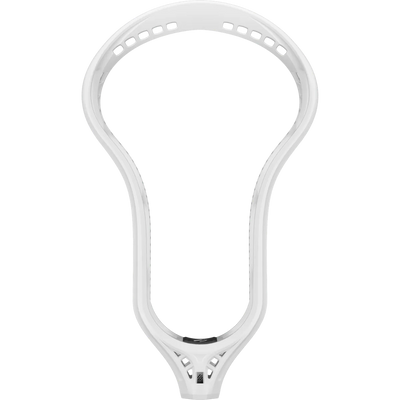 AttackStringKing Mark 3A Head$119.99 at BattleLax
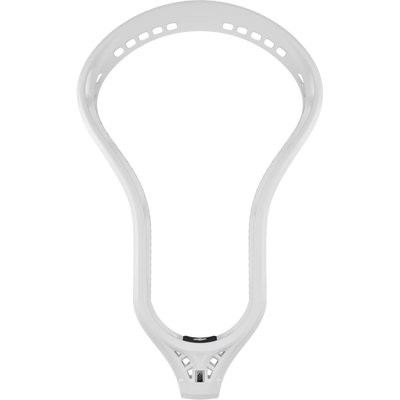 MidfieldStringKing Mark 3V Head$119.99 at BattleLax
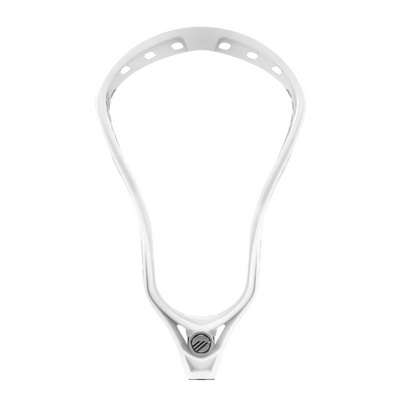 Defense / LSMMaverik Tank 2.0 Head$109.99 at BattleLax
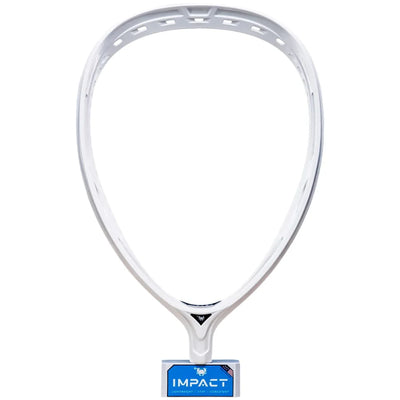 GoalieECD Impact Goalie Head$109.99 at BattleLax
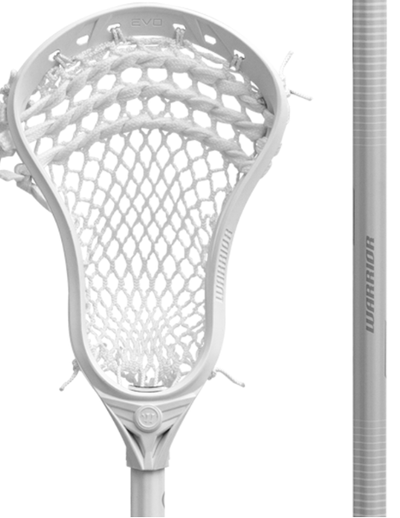
Not sure where you'll play yet? A complete stick like the Warrior EVO Complete Stick 2026 ($109.99) works anywhere on the field while you figure it out.
People also ask
How many positions are there in lacrosse?
There are four main positions (attack, midfield, defense and goalie), with 10 players on the field per side in men's field lacrosse. Inside those, you'll find specialist roles like faceoff specialists (FOGOs and FOSOs), long stick midfielders and short stick defensive midfielders, which is how you get to 10 distinct positions.
What are the positions in girls' lacrosse (12 v 12)?
Girls' lacrosse plays 12 a side. A common setup is 3 attackers, 5 midfielders, 3 defenders and 1 goalie, with the midfielders playing both offense and defense.
What are the 10 rules of lacrosse?
The basic rules cover offside, body checking, faceoffs, the shot clock, stick specs, penalties, substitutions, crease violations, out of bounds and clearing.
What are the positions in lacrosse?
Attack, midfield, defense and goalie, plus specialists like faceoff specialists, long stick midfielders and short stick defensive midfielders, each with their own offensive and defensive jobs.
What is the hardest position in lacrosse?
Goalie is usually considered the hardest position. You're stopping 90-plus mph shots, directing the defense and making split-second decisions under pressure.
Want to see the positions in action? Lax Farmer breaks them down here.
See it live Lax Farmer on YouTube
Now that you know the 10 positions in lacrosse, you'll have a much better feel for the impact each role has on the game.