Is Lacrosse a Contact Sport?
Short answer: yes. Here's what contact actually looks like on the field, how it changes for the men's, women's and youth game, and how to stay safe doing it.

Body checks and stick checks are legal, within the rules. Body checking starts at 14U in boys' youth lacrosse.
No body checking. Stick checks are allowed, and incidental contact happens every game.
Is lacrosse a contact sport? After more than a decade around this game, I can tell you without a doubt: yes. Lacrosse involves deliberate physical contact between players through body checks, stick checks and plenty of battles for position. At the higher levels of the men's game, those hits land a lot like a football tackle.
I still remember the first time I stepped on the field, heart pounding, wondering what I'd gotten myself into. The clack of shafts hitting shafts and the thud of shoulder pads on a ground ball told me pretty quick this wasn't just any game. It was a full-contact battle of athleticism and strategy.
Lacrosse demands explosive speed, quick changes of direction and split-second awareness of everything around you. The contact is regulated, but the game sits right in the contact-sport family with hockey and rugby, with its own style of physicality.
Let me break down what kind of contact you can expect, from a defender's controlled body check to the finesse of a good stick check. I'll also cover safety rules, injury rates, and how contact changes from level to level.
We may receive a commission if you make a purchase through a link on this page at no cost to you. This helps us keep this site free & we appreciate your support!
What is a contact sport?
In a contact sport, players physically interact as part of the game. That means body checks, pushing for position, and other controlled contact to gain an advantage. Football, rugby and hockey are the classic examples, where body contact is built right into how the game is played.
Lacrosse mixes contact with a lot of strategy. The rules decide how much contact is legal, and those rules are very different for the men's, women's and youth game.
Read more: Is lacrosse hard? A coach's honest answer
Contact in lacrosse: men's, women's and youth leagues
Lacrosse is a contact sport, but how much contact is allowed depends on gender, league and age group.
In men's lacrosse, you can body check an opponent within the rules. Women's lacrosse is less physical and allows stick checks but not body checks. Youth leagues are stricter still, to keep young players safe while they learn the game.
Types of contact permitted in lacrosse
There are three main types of contact in lacrosse.
Body checks
Body checks are only legal in the men's and older boys' game, and only within the rules. A legal check is aimed at the ball carrier or a player within a few yards of a loose ball, from the front or side, and between the shoulders and the waist. Anything to the head or neck, or a hit on a defenseless player, gets flagged, and targeting penalties at the youth level include an ejection.
Stick checks
Stick checks happen at every level. A defender goes after the ball carrier's stick or gloves to knock the ball loose. When it's done right, it's an art. When a check misses the stick and lands on the body, it's a slash, and that's how players get hurt.
A great stick check is an art. A bad one is a slash.
Incidental contact
Incidental contact is part of every sport. In lacrosse, it happens all the time when players race to a ground ball, fight for position on the crease or collide in transition.
Those three types of contact are why lacrosse counts as a contact sport, but how intense it gets depends on the league.
Lacrosse vs. other contact sports
Here's how lacrosse stacks up against other contact sports in terms of how physical it gets.
| Sport | Contact level | Main types of contact |
|---|---|---|
| Football | Very high | Tackles and blocking on nearly every play |
| Rugby | Very high | Tackles, rucks and scrums without pads |
| Ice hockey | High | Body checks along the boards and in open ice |
| Men's lacrosse | Moderate to high | Body checks, stick checks, crease battles |
| Box lacrosse | High | Cross-checks, picks and contact off the boards |
| Women's lacrosse | Limited | Stick checks and incidental contact |
| Soccer / basketball | Moderate | Incidental contact, battling for position |
Field lacrosse has moderate to high contact, but it's more about positioning and stick work than the full-on takedowns you see in football or rugby. Box lacrosse is a different animal. Ask anybody who grew up playing summer box in Ontario: cross-checks are part of the game, and it's as physical as lacrosse gets.
Injury rates in lacrosse
One of the most common worries about contact sports is the risk of injury. So what do the numbers say?
A study of national injury surveillance data found boys' high school lacrosse had an overall rate of 2.12 injuries per 1,000 athlete exposures, and NCAA men's lacrosse had 4.83. Injury rates in games run much higher than in practice, which makes sense when everybody is going full speed.
Other reports rank high school lacrosse seventh of 20 sports in overall injury rate, so it's in the middle of the pack. Football is still well ahead. One number parents should know, though: boys' lacrosse has had the third-highest concussion rate among high school sports, behind only football and ice hockey. That's why helmet fit and legal, controlled checking matter so much.
Part of what keeps lacrosse in check is the strict rules around stick handling and contact. Where football and rugby are built around full-body tackles, lacrosse focuses on controlled stick checks and body positioning. That makes it a strategic contact sport rather than a purely aggressive one.
None of that means lacrosse is risk-free, but good coaching and good gear go a long way.
Essential safety equipment in lacrosse
Speaking of safety, here's the protective gear you'll need.
Helmet
Required in men's and boys' lacrosse to protect against head and face injuries. Fit is everything. A loose helmet doesn't protect you.
Mouthguard
Required for every player to protect your teeth and jaw. Want to know if your mouthguard color is legal? Check out our breakdown of the mouthguard rules.
Pads
Shoulder pads, arm pads and gloves protect against body checks and stray stick checks in the men's game.
Goggles
Goggles are required in women's lacrosse to protect the eyes. Soft headgear is optional in most places.
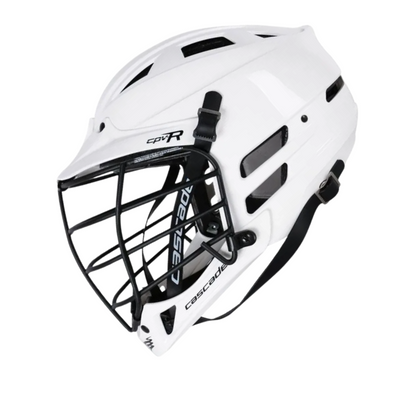 HelmetCascade CPV-R$175.00 at BattleLax
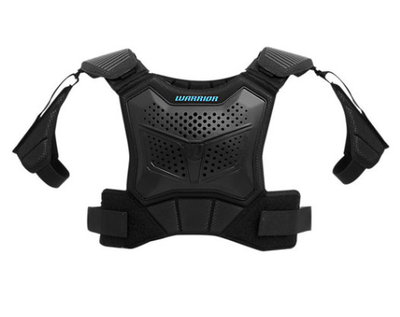 Shoulder padsWarrior Evo Rise$74.99 at BattleLax
 Arm padsMaverik Charger$39.99 at BattleLax
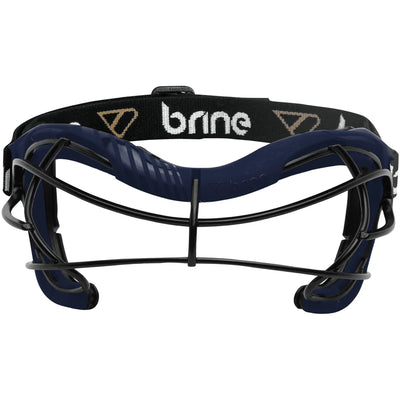 Women's gogglesBrine Halo$69.99 at BattleLax
This gear keeps players safe despite how physical the game is, and it's a big reason lacrosse keeps growing at every level.
How youth lacrosse differs in contact rules
In youth lacrosse, the contact rules are a lot stricter. Under USA Lacrosse boys' youth rules, body checking is illegal at 12U and younger. Some body contact is allowed, like boxing out and legal holds and pushes, but no checks.
| Age group | Body checking | What's allowed |
|---|---|---|
| 8U | Illegal | Legal holds and pushes, boxing out, riding, incidental contact |
| 10U | Illegal | Some body contact below the neck and above the waist |
| 12U | Illegal | Some body contact below the neck and above the waist |
| 14U | Legal, limited | Shoulders to waist, front or side only. No take-out checks. |
Youth leagues put skills and smart play first. Kids build a foundation before full contact comes into the picture.
Coach's note: Teach kids to check with their feet first. A defender who moves their feet and stays square doesn't need to throw a big hit. That's how we coached it from Virginia Beach rec leagues to upstate travel teams.
The tactical side of lacrosse
Ask around if lacrosse is a contact sport and you'll hear yes. But there's one side of the game that doesn't get talked about enough: the strategy.
Lacrosse is a contact sport, but it's also a thinking game. Every possession you're deciding whether to go through somebody or use your stick skills to go around them. When to slide. When to throw the check. When to just stay in front of your man.
That mental side is what sets lacrosse apart from contact sports that lean more on raw physical strength. The game has chess-like qualities, where anticipation and skill matter just as much as size.
Read more: Is lacrosse a spring sport? Lacrosse seasons explained
People also ask
Is lacrosse a contact sport?
Yes. Men's and boys' lacrosse allows body checks and stick checks, while women's and girls' lacrosse allows stick checks but not body checking. The contact is generally less intense than football or rugby.
What type of sport is lacrosse?
Lacrosse is a fast-paced team sport that mixes physical contact with stick skills and strategy. The men's game is full contact and the women's game is limited contact, which makes it both physically and mentally demanding.
Is there physical contact in lacrosse?
Yes. Body checks are allowed in the men's and older boys' game, stick checks are allowed in both men's and women's lacrosse, and incidental contact happens at every level. How much contact is legal depends on the league and age group.
What classifies a contact sport?
A contact sport is one where controlled physical contact between players, like body checks or tackles, is part of the game and governed by the rules.
How does youth lacrosse differ in contact rules?
Under USA Lacrosse boys' youth rules, body checking is illegal at 12U and younger. Limited body checking becomes legal at 14U, from the shoulders to the waist and to the front or side only, with no take-out checks.
So, is lacrosse a contact sport? Without a doubt. But it's a lot more than body checks and big hits. It's a game of speed, skill and smart decisions, and that's what keeps players coming back.