Category: general-lacrosse

  • Is Textured Lacrosse Ball Better Than Non Textured?

    Is a Textured Lacrosse Ball Better Than Non-Textured? | LaxDrip
    Independent lacrosse gear reviews/Men’s · Women’s · Goalie

    Is a Textured Lacrosse Ball Better Than Non-Textured?

    Grip, greasing, weather, cost and legality. Here's how textured and smooth lacrosse balls really compare, and which one belongs in your bucket.

    Is a textured lacrosse ball better than non-textured
    The quick answer
    TexturedBetter grip, greases later

    A slightly rough surface gives you more control and holds off that slick greaser feel longer.

    0.007"Max legal texture depth

    NOCSAE allows textured balls for game play, as long as the texture stays shallow.

    I've heard players argue about this a hundred times: is a textured lacrosse ball better than a non-textured one? For most players, yes. Textured balls hold off greasing longer, give you more grip and improve your control.

    If you've played for any length of time, you know not all balls are made the same. Some feel perfect in your stick, and others seem determined to slip out at the worst possible moment.

    So let's settle this once and for all with a breakdown of textured vs non-textured lacrosse balls.

    We may receive a commission if you make a purchase through a link on this page at no cost to you. This helps us keep this site free & we appreciate your support!

    What are textured and non-textured lacrosse balls?

    Before we get into the details, let's get the basics straight.

    Non-textured lacrosse balls

    This is your traditional, smooth rubber lacrosse ball. It's been the standard for years and is used in games and practices everywhere.

    Non-textured lacrosse balls

    Textured lacrosse balls

    Textured balls are a newer innovation. In 2019, Guardian Sports released the Pearl LT, the first textured lacrosse ball certified for game play. Textured balls have a slightly rough or patterned surface designed to improve grip and control.

    Textured lacrosse balls

    Grip and control: does texture make a difference?

    If you've ever tried throwing a lacrosse ball in humid or wet weather, you know the struggle is real. One second your shot's perfect, and the next the ball slips out like it just took a bath in butter.

    That's where textured balls make their move.

    The slightly rough surface gives your pocket more to grab, which helps you make more precise passes and shots.

    You'll also notice smooth rubber balls develop that annoying slick layer, known as grease, which makes them harder to control. Textured balls delay that, so they keep their grip longer.

    In my opinion, and plenty of players agree, textured balls take the lead on handling and control, especially in tough conditions.

    Durability: which ball lasts longer?

    Lacrosse balls take a beating, from high-speed shots to endless wall ball. But which one holds up better?

    [wpdatatable id=579]

    Textured balls keep their grip longer, so you'll replace them less often and deal with fewer surprise drops in a game. Keep in mind that a rubber textured ball still greases eventually. The texture just slows it down.

    Read more: How hard are lacrosse balls?

    Performance in different weather

    Ever played lacrosse in the rain? I used to love it, getting muddy and making memories. But it turns into a different sport, more like slip-and-slide dodgeball.

    Textured balls outperform smooth ones in:

    • Wet conditions: Better grip means less slipping.
    • Cold weather: They keep their traction even when it's freezing.
    • Hot weather: They hold up without turning slick.

    So far, the textured ball is winning on every front.

    Cost and availability

    Let's get real and talk about the price tag.

    Textured balls cost a little more, but I'd rather have quality gear that lasts than a cheap ball I have to keep replacing.

    [wpdatatable id=580]

    If a textured ball lasts twice as long as a smooth one, spending a little extra up front saves you money in the long run. Plus, nobody likes constantly swapping out greasy, slippery balls.

    Both types are easy to find. For more buying options, see where to buy lacrosse balls, in bulk or cheap.

    What do lacrosse players say?

    I talked to some players, both casual and competitive, and their answers were interesting:

    • "I switched to textured balls last year, and my passes feel much more accurate."
    • "Textured balls don't get as greasy, which is a game-changer in wet games."
    • "Honestly, I didn't think it would make a difference, but now I can't go back to non-textured."

    Plenty of players love the extra control of textured balls. Others still prefer the feel of smooth balls and say grip should come from your skills, not the ball. Bold take, but hey, to each their own.

    Read more: Why are lacrosse balls so bouncy?

    Want to see the difference in action? Check out this comparison.

    See it live ECD Lacrosse on YouTube

    Rules and regulations: are textured balls legal?

    Lacrosse equipment has to meet specific standards for safety and consistency, and textured balls are no exception. Here's what makes them legal for play.

    Rules and regulations: are textured balls legal

    NOCSAE standards

    The National Operating Committee on Standards for Athletic Equipment (NOCSAE) sets the specs for lacrosse balls. Under the NOCSAE standard:

    • Surface: Balls can be smooth or slightly textured, with no seams and a texture depth of no more than 0.007 inches (0.17 mm).
    • Material: Solid rubber or another elastomeric material.
    • Weight: 5.0 to 5.25 ounces (about 142 to 149 grams).
    • Circumference: 7.75 to 8.0 inches (19.7 to 20.3 cm).

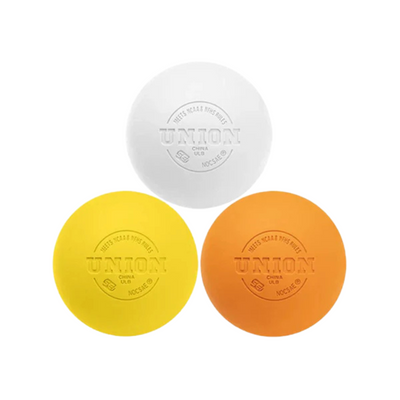
    Ball color is set by each league's rules. NCAA, NFHS and World Lacrosse rules allow white, yellow or orange. To be approved for official games, the ball's packaging has to carry the NOCSAE seal.

    SEI certification

    Beyond NOCSAE, look for Safety Equipment Institute (SEI) certification. It shows the ball has passed independent safety and performance testing, and manufacturers highlight it so players and leagues know the ball is legit.

    Grip should come from your hands. But a little help from the ball never hurt.

    Lacrosse balls at BattleLax

    BattleLax doesn't carry textured balls right now. If greasy balls are your problem, though, the best fix they stock is the Pearl X, Guardian's elastomer ball that's built to never grease or harden. It's the official ball of the NCAA championships.

    Coach's note: I've run practices in sideways rain in upstate New York, sticky humidity in Virginia Beach and cold April mornings in Ontario. Whatever ball you use, keep a fresh bucket for games and retire the greasy ones to the wall-ball pile. Nothing kills a practice faster than balls that won't stay in the pocket.

    People also ask

    Are textured lacrosse balls better?

    For most players, yes. Textured balls give you better grip and control, and they hold off greasing longer than smooth rubber balls, so they play more consistently in all kinds of weather.

    What is the best lacrosse ball?

    It depends on what you want. Textured balls give you more grip and last longer before greasing, smooth balls give you the traditional feel, and elastomer balls like the Pearl X are built to never grease at all.

    Are textured lacrosse balls legal?

    Yes, as long as they meet the NOCSAE standard, which allows a slight texture up to 0.007 inches deep. Look for the NOCSAE seal and SEI certification on the packaging.

    What type of ball is used in lacrosse?

    A solid ball made of rubber or another elastomer, either smooth or slightly textured. Only NOCSAE-certified balls are allowed in official games.

    Do textured lacrosse balls last longer?

    Generally, yes. The texture delays the slick "greaser" effect, so a textured ball keeps its grip longer, though a rubber textured ball will still grease up eventually.

    So, is a textured lacrosse ball better than a non-textured ball? For most players, yes. But it comes down to your preferences and where you play. If you want better grip and control, hate greasy balls and play in wet or unpredictable weather, a textured ball is worth it. If you prefer the traditional feel and don't mind replacing balls more often, smooth balls still get the job done.

    Never greasesPearl X Greaseless $19.99
    Buy now
  • How Hard Are Lacrosse Balls?

    How Hard Are Lacrosse Balls? Size, Weight & NOCSAE Specs | LaxDrip
    Independent lacrosse gear reviews/Men’s · Women’s · Goalie

    How Hard Are Lacrosse Balls?

    Solid rubber, a little over 5 ounces and built to strict NOCSAE specs. Here's what a lacrosse ball is made of, how big and heavy it is, and why it's so hard.

    How hard are lacrosse balls
    The quick answer
    SolidVulcanized rubber

    No hollow core. A game ball is solid rubber from the surface to the center.

    110–150lbs to compress 25%

    NOCSAE's hardness range for a legal game ball, at 5.0 to 5.25 oz.

    If you've ever watched a lacrosse game, you've seen how fast the ball moves and how hard players rip it. That leads to a common question: how hard are lacrosse balls?

    Lacrosse balls are hard because they're made of dense, solid vulcanized rubber. They're a specialized ball, and you can't play the game without them.

    In this article, I'll walk you through the details: size, material, weight and why they're built the way they are.

    We may receive a commission if you make a purchase through a link on this page at no cost to you. This helps us keep this site free & we appreciate your support!

    History of lacrosse balls

    From ancient times to today, the lacrosse ball has had quite the glow-up, with each change improving quality while keeping players safer.

    History of lacrosse balls
    [wpdatatable id=227]

    To really answer "how hard are lacrosse balls?" you need to understand their size and diameter too.

    Read more: Where did lacrosse originate?

    Lacrosse ball size (circumference)

    Lacrosse ball size

    Under the NOCSAE standard, a lacrosse ball's circumference has to be between 7.75 and 8 inches.

    That size is the same across every level of lacrosse, from youth and college to the pros.

    Lacrosse ball weight

    Lacrosse ball weight

    A standard lacrosse ball weighs between 5.0 and 5.25 ounces (about 142 to 149 grams). That weight is chosen to balance control and speed.

    A heavier ball would be harder to throw accurately, while a lighter ball wouldn't carry its momentum through the air.

    Lacrosse ball diameter and bounce

    Lacrosse ball diameter

    That circumference works out to a diameter of about 62.7 mm to 64.7 mm, or roughly 2.47 to 2.55 inches.

    When a game ball is dropped from 72 inches (1.83 meters), it should bounce back 43 to 51 inches (1.09 to 1.30 meters). For more on that, see why lacrosse balls are so bouncy.

    Lacrosse ball material

    The material is key to answering "how hard are lacrosse balls?" Each ingredient plays a role.

    Lacrosse balls are made from natural or synthetic rubber. That rubber is what gives the ball its bounce and durability, and both matter a lot.

    Stabilizers like silica are mixed into the rubber to help the ball hold its shape and keep it from getting too soft or too hard.

    Pigments give the ball its color, whether it's classic white, bright yellow or something else.

    Those pigments also have to meet safety standards, since the ball is constantly in contact with players' skin and the ground.

    Lacrosse ball color

    Lacrosse ball color

    One of the first things you'll notice about a lacrosse ball is its color. White is the standard in men's field lacrosse because it stands out against the grass.

    Women's lacrosse often uses yellow balls, and orange is common for indoor play and practice.

    You might even see blue, green or pink balls at practices and special events.

    Comparing lacrosse balls to other sports balls

    Every ball sport uses a ball built for the demands of that game, and lacrosse is no different. Here's how they compare.

    Lacrosse ball comparison
    [wpdatatable id=226]

    Regulations and standards

    NOCSAE sets specific standards for new lacrosse balls to keep the game safe and prevent injuries. They include:

    • Surface: Smooth or slightly textured, with no seams, made of solid elastomeric material.
    • Weight: 5.0 to 5.25 ounces.
    • Circumference: 7.75 to 8.0 inches.
    • Compression-deflection (C-D): 130 ± 20 pounds (110 to 150) at 25% compression.
    • Coefficient of restitution (COR): 0.60 to 0.70.

    Certified balls carry the NOCSAE seal, often alongside the SEI certification mark, so look for it on the ball or packaging.

    Read more: Rules of lacrosse

    Why the standards matter

    Ball certification is a real safety issue. According to Guardian Sports, an in-spec lacrosse ball traveling 90 mph that hits a helmet can produce a Severity Index of over 1,000, enough to seriously injure the brain.

    The risk climbs when a ball hardens beyond NOCSAE's 110 to 150 C-D range.

    A ball that's hardened to 215 C-D can push the Severity Index above 1,300, and a hit like that can do serious damage, like injuring the jaw joint. Keeping balls at the right hardness is essential for player safety.

    Old, hard balls aren't just annoying. They're dangerous.

    I've also put together a list of the lacrosse equipment you should own before you hit the field.

    Read more: Positions in lacrosse

    Lacrosse balls at BattleLax

    Coach's note: Every season, from upstate New York to Virginia Beach to Ontario, I find a bucket of balls in somebody's garage that are slick, gray and hard as a rock. Toss them. Old balls get greasy, bounce funny and hit harder than they should. Start the season with a fresh bucket of NOCSAE balls, and keep the soft ones for wall ball in the basement.

    People also ask

    Is a lacrosse ball hard or soft?

    Hard. Lacrosse balls are made from solid rubber, built to take a beating while keeping their bounce and durability. A NOCSAE game ball has to fall within a set compression range (130 ± 20 lbs at 25% compression), so it's firm by design.

    How hard does a lacrosse ball hit?

    Very hard. Elite shots top 100 mph, and Guardian Sports notes that a 90 mph ball hitting a helmet can produce a Severity Index of over 1,000. That's why helmets, gloves and pads matter.

    Is a lacrosse ball harder than a tennis ball?

    Yes, much harder. A lacrosse ball is solid rubber, while a tennis ball is a hollow, pressurized rubber core covered in felt.

    Does it hurt to get hit by a lacrosse ball?

    Yes. Between the hardness and the speed, a lacrosse ball can leave a serious bruise or cause injury, especially if you're not wearing protective gear.

    Why are lacrosse balls made of rubber?

    Rubber gives lacrosse balls durability, a consistent bounce and the right firmness to meet NOCSAE standards for performance and safety.

    So, how hard are lacrosse balls? Honestly, they're pretty tough. Made from solid rubber, they're built to handle a physical game. Now that you know the specs, size, weight and material, you can see why they're made with so much precision. If you haven't held one yet, pick one up and feel how dense it is. And when you're ready to stock up, check out our guide to where to find the best lacrosse balls, or grab a fresh pack of Pearl X game balls at BattleLax.

    Game ballsPearl X Greaseless $19.99
    Buy now
  • What Are The 10 Positions in Lacrosse

    What Are the 10 Positions in Lacrosse? Every Role Explained | LaxDrip
    Independent lacrosse gear reviews/Men’s · Women’s · Goalie

    What Are the 10 Positions in Lacrosse?

    Attack, middie, LSM, SSDM, FOGO, FOSO, defense and goalie. Here are all 10 lacrosse positions, what each one does, and the gear that fits each spot.

    What are the 10 positions in lacrosse
    The quick answer
    4Main positions

    Attack, midfield, defense and goalie, with 10 players per side in men's field lacrosse.

    10Distinct roles

    Including the specialists: LSMs, SSDMs, FOGOs and FOSOs.

    You might call yourself lacrosse's biggest fan, but could you name all 10 lacrosse positions, including the ones most people overlook? When a buddy asked me, "What are the 10 positions in lacrosse?" I rattled off the usual: attack, midfield and defense.

    Then came the follow-up: what about LSM? FOSO? FOGO? That's when I realized I was talking to a real fan who wanted the full rundown.

    In this guide, I'll break down the 10 distinct lacrosse positions and the impact each one has on the field, from the core spots to the specialist roles that give teams a strategic edge.

    We may receive a commission if you make a purchase through a link on this page at no cost to you. This helps us keep this site free & we appreciate your support!

    Overview of lacrosse positions

    There are four main types of lacrosse positions: attack, midfield, defense and goalie. Here's how many of each are on the field in men's field lacrosse.

    [wpdatatable id=520]

    Nobody wins a game alone. It takes the whole team, and to do your job well, you have to understand your role. Every player has a position, and those positions keep the team balanced and organized. Without clear roles, the game would have no structure or flow.

    [wpdatatable id=521]

    Every player has to know their position to play well and support the team. For a deeper dive, check out our full guide to lacrosse positions, and if you want to learn the lingo, I've put together all the lacrosse terms and slang here.

    The 10 lacrosse positions at a glance

    1. Crease attackman
    2. Outside attackman
    3. Offensive midfielder
    4. Defensive midfielder
    5. Long stick midfielder (LSM)
    6. Short stick defensive midfielder (SSDM)
    7. FOGO (face off, get off)
    8. FOSO (face off, stay on)
    9. Close defenseman
    10. Goalie

    Let's break each one down.

    Attack positions

    Attacker lacrosse positions

    Attackmen

    Attackmen are your main offensive players. Their job is to score goals and create chances for their teammates. Each team has three attackmen on the field, and they usually stay on the offensive end, since a team has to keep at least three players on its offensive half to avoid going offside.

    As an attackman, you need nerves of steel and the ability to stay calm under pressure.

    Left and right attack: These players work the left and right sides of the offensive end, opening passing lanes for the attackman on the crease and getting off quick shots.

    Here are the main jobs of an attackman:

    • Score goals
    • Set up plays
    • Keep possession
    • Ride hard when the other team clears
    • Have elite stick skills

    On top of that, attackmen usually fill one of two roles:

    Crease attackman: Scores from up close, working on and around the crease right in front of the cage.

    Outside attackman: Can score from anywhere, often dodging from behind the cage or shooting from range. It takes accuracy and precision, and it's fun to watch.

    You probably know two great attackmen, Lyle Thompson and Jordan Wolf, both famous for their goal-scoring. Learn about the 5 greatest lacrosse players of all time here.

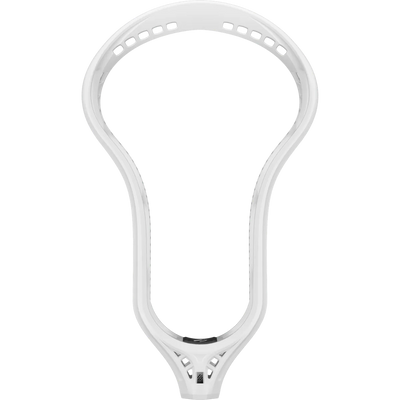
    Gear up: Attackmen want a narrow, pinched head for hold and accuracy, like the StringKing Mark 3A Head ($119.99).

    Midfield positions

    Midfield lacrosse positions

    Midfielders

    Midfielders are also called "middies." They play both offense and defense. Being a middie isn't easy, because you need serious stamina. They're the all-rounders of the team.

    Middies' main jobs:

    • Move the ball in transition between defense and offense
    • Play both offense and defense
    • Take faceoffs (if needed)

    There are usually two types of middies on the field:

    Offensive midfielders: They spark the offense and drive their team's attack.

    Defensive midfielders: They focus on stopping the other team's offense and shutting down scoring chances.

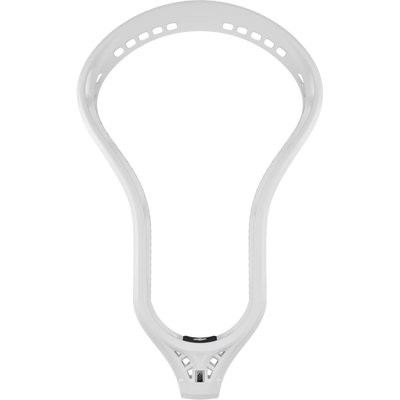
    Gear up: Middies need a head that does a bit of everything. A great all-around option is the StringKing Mark 3V Head ($119.99).

    Long stick midfielder (LSM)

    LSMs are a special category of middie. The LSM is a defensive midfielder who carries a long pole to disrupt the other team's offense.

    Some of the great LSMs you should know are Greg Danseglio and Michael Ehrhardt.

    An LSM's main jobs:

    • Win ground balls
    • Defend the other team's middies
    • Clear the ball and push transition

    Short stick defensive midfielder (SSDM)

    SSDMs play defense with a regular short stick, which gives them more agility.

    An SSDM's main jobs:

    • Guard quick, dodging middies
    • Support transition plays
    • Mark the other team's middies

    Differences between LSMs and SSDMs

    Still confused about long-stick and short-stick middies? Here's a table to help you see the difference.

    [wpdatatable id=522]

    Faceoff specialists (FOGO and FOSO)

    FOGO stands for "face off, get off," and FOSO stands for "face off, stay on."

    FOGOs specialize in winning faceoffs, then subbing off for another player. Their eyes are locked on the ball from the whistle.

    FOSOs win faceoffs too, but they stay on the field and play like a middie. Read more about what FOGO means in lacrosse.

    The faceoff specialist's main jobs:

    • Win possession off the draw
    • Make quick, smart passes
    • Protect the ball

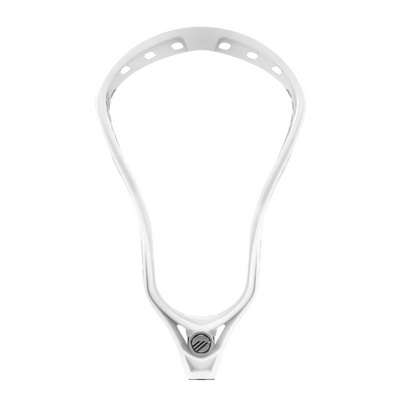
    Gear up: Faceoff guys need a flexible faceoff head, like the Maverik Logik Force Head ($109.99).

    Defense positions

    Defender lacrosse positions

    Defensemen

    Defensemen are the backbone of a lacrosse team. Each team has three close defensemen on the field, and they usually take on two different jobs at any given moment: on-ball and off-ball.

    The on-ball defender plays the man with the ball, using footwork, body position and stick checks to knock it loose.

    Off-ball defenders are more about strategy and communication. They read the play, stay ready to slide and protect the middle of the field, all with the same goal: stopping the other team from scoring.

    A defenseman's main jobs:

    • Guard the other team's attackmen
    • Block shots and passing lanes
    • Clear the ball up to the middies

    Tucker Durkin and Matt Landis are two of the best close defensemen the pro game has seen.

    Gear up: Defensemen and LSMs want a wide, stiff head built for checks and ground balls, like the Maverik Tank 2.0 Head ($109.99).

    Goalie position

    Goalie lacrosse positions

    The goalie is the last line of defense in lacrosse. Goalies combine quick reflexes, speed and a whole lot of courage to stand in front of hard shots and keep the ball out. They're a different breed.

    Goalies can turn a game around. When it feels like your team can't get the ball and the other team is about to score, the goalie is the one standing in the way.

    A goalie's main jobs:

    • Guard the cage
    • Make saves
    • Start the clear
    • Direct the defense

    Some notable goalies are Blaze Riorden, John Galloway and Colin Kirst. They're like superheroes in the lacrosse world.

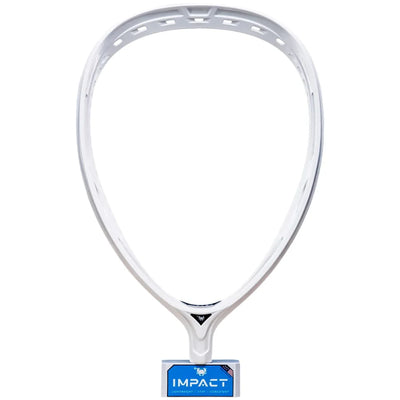
    Gear up: Goalies need a big, stiff head that holds its shape on hard shots, like the ECD Impact Goalie Head ($109.99).

    Lacrosse field positions

    Substitutions and rotations in lacrosse

    Substitutions and rotations are a huge part of lacrosse strategy. They keep the energy up and give teams a tactical edge.

    [wpdatatable id=523]

    Subs and rotations help teams:

    • Keep players fresh and mentally sharp
    • Exploit mismatches on offense and defense
    • Control the pace and momentum of the game
    • Adapt as the game changes

    By rotating players well, coaches keep the other team guessing and play a fast, unpredictable style.

    Ten players, ten jobs. Know yours, and you'll always know where to be.

    Read more: How much do professional lacrosse players make?

    Gear by position

    Coach's note: From youth programs in Virginia Beach to Ontario box and upstate New York high school ball, I tell every new player to try a couple of spots before they lock in. Your speed, your size and your hands will tell you where you belong, and the right head for that spot makes the game a lot easier.

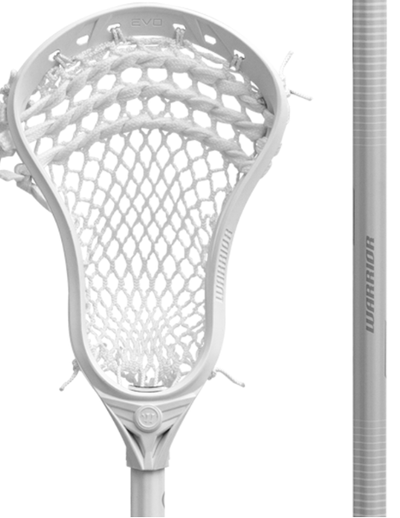
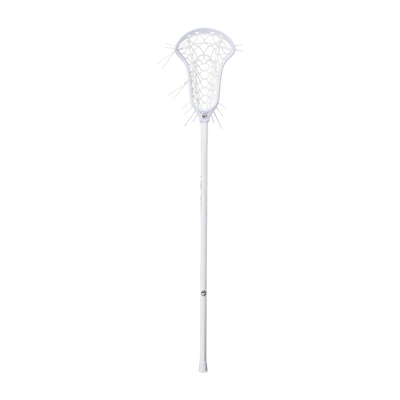
    Not sure where you'll play yet? A complete stick like the Warrior EVO Complete Stick 2026 ($109.99) works anywhere on the field while you figure it out.

    People also ask

    How many positions are there in lacrosse?

    There are four main positions (attack, midfield, defense and goalie), with 10 players on the field per side in men's field lacrosse. Inside those, you'll find specialist roles like faceoff specialists (FOGOs and FOSOs), long stick midfielders and short stick defensive midfielders, which is how you get to 10 distinct positions.

    What are the positions in girls' lacrosse (12 v 12)?

    Girls' lacrosse plays 12 a side. A common setup is 3 attackers, 5 midfielders, 3 defenders and 1 goalie, with the midfielders playing both offense and defense.

    What are the 10 rules of lacrosse?

    The basic rules cover offside, body checking, faceoffs, the shot clock, stick specs, penalties, substitutions, crease violations, out of bounds and clearing.

    What are the positions in lacrosse?

    Attack, midfield, defense and goalie, plus specialists like faceoff specialists, long stick midfielders and short stick defensive midfielders, each with their own offensive and defensive jobs.

    What is the hardest position in lacrosse?

    Goalie is usually considered the hardest position. You're stopping 90-plus mph shots, directing the defense and making split-second decisions under pressure.

    Want to see the positions in action? Lax Farmer breaks them down here.

    See it live Lax Farmer on YouTube

    Now that you know the 10 positions in lacrosse, you'll have a much better feel for the impact each role has on the game.

    New to lacrosse?Warrior EVO Complete Stick
    Buy now
  • Why Don’t Women Lacrosse Players Wear Helmets

    Why Don't Women Lacrosse Players Wear Helmets? | LaxDrip
    Independent lacrosse gear reviews/Men’s · Women’s · Goalie

    Why Don't Women Lacrosse Players Wear Helmets?

    Men wear helmets, women wear goggles. Here's why, what the rules say about headgear, and the debate over whether it should be mandatory.

    Why don't women lacrosse players wear helmets
    The quick answer
    No hitsBody checking is illegal

    Women's lacrosse bans body checks and checks to the head, so hard helmets were never part of the game.

    OptionalSoft headgear allowed

    Goggles and mouthguards are required. ASTM F3137 headgear is allowed, and Florida requires it in high school.

    Men's lacrosse players have to wear helmets, while women play with goggles and mouthguards. Why the difference? Is it tradition, safety or something else? The short answer: women's lacrosse players don't wear helmets because body checking isn't allowed.

    Whenever you pick a sport, you do it for the love of the game, but you can't ignore the risks.

    Hockey, football and lacrosse are contact sports with higher injury rates, so you'd expect every player to wear full protective gear.

    Head protection is required in most contact sports, so no helmets in women's lacrosse can seem strange, even concerning.

    Concussions are still a real issue in the women's game. A MedStar Health study found concussions made up about 40% of head, face and eye injuries for high school girls and 41% for college women, compared with 73% for boys and 85% for men. That's a smaller share than the men's game, but a lower concussion rate doesn't mean head safety should be an afterthought. See our full breakdown of whether lacrosse is dangerous.

    Still, there's a good reason women don't wear helmets. Let's find out why.

    We may receive a commission if you make a purchase through a link on this page at no cost to you. This helps us keep this site free & we appreciate your support!

    What safety gear do women lacrosse players wear?

    First, helmets aren't standard gear, but women's lacrosse players aren't unprotected. Here's what their typical safety gear looks like:

    [wpdatatable id=369]

    Men's lacrosse allows body checking, while it's illegal in the women's game, and that cuts the risk of head trauma significantly.

    How does women's lacrosse differ from men's lacrosse?

    Here's a basic comparison of men's and women's lacrosse in terms of contact, protective gear and field size.

    [wpdatatable id=370]

    Historical context: tradition over safety?

    Women's lacrosse has a rich history. It took off at girls' schools in Scotland in the 1890s and later spread to the U.S., developing as a non-contact version of the game. The focus was on skill over physicality.

    Over time, that built a culture where protective gear, including helmets, was considered unnecessary, since contact and body checks weren't allowed.

    The belief that the women's game is safer without helmets has stuck around, even as the game has gotten faster. Critics argue that helmets could change the nature of play and make it more aggressive, and many feel goggles are enough protection.

    Are women's lacrosse players allowed to wear helmets?

    Yes. Women's players can wear approved headgear. Nothing bars it. Some players who've already had a concussion choose to wear it, and for many, it's a personal choice. Headgear can limit visibility and movement a bit, though.

    The research shows that most head and face injuries in women's lacrosse come from stick or ball contact, not player-to-player collisions.

    Are women lacrosse players allowed to wear helmets

    In other words, girls are getting hit in the head by a stick or the ball, and that's what leads to concussions.

    There may not be full-body contact in women's lacrosse, but injuries still happen, and that counts for something.

    That's why the rules protect the "sphere," the area about 7 inches around a player's head. Putting your stick in another player's sphere is a foul, and it's there to limit head injuries.

    Do helmets reduce injuries in women's lacrosse? Standards and regulations

    USA Lacrosse requires NOCSAE-certified helmets in the men's game, but helmets aren't required in the women's game. Women are allowed to wear optional headgear that meets the ASTM F3137 standard, which was created specifically for women's lacrosse. This headgear is usually lighter and less restrictive than a men's helmet.

    Some states have started requiring headgear. Florida, for example, made ASTM headgear mandatory for high school girls' lacrosse. The goal is to reduce concussions while keeping the spirit of the women's game.

    Supporters argue headgear can make the game safer without changing what makes it special, especially at the younger levels where players are still learning proper technique.

    If you're thinking about headgear, the Cascade LXP women's headgear ($174.99) at BattleLax is a lightweight, low-profile option.

    Should helmets be mandatory in women's lacrosse?

    Helmet supporters argue safety should come before tradition.

    Purists, on the other hand, believe helmets would fundamentally change the women's game.

    Some players also say it feels strange to be the only one on the field in headgear, and it draws attention, so they skip it.

    Concussion injuries in lacrosse

    The biggest argument against helmets is the risk of more aggression. Players might feel invincible in a helmet and take more chances, which is known as the "gladiator effect."

    On the other side, research shows that even with non-contact rules, accidental collisions and stray sticks and balls still cause concussions, and women's lacrosse has one of the higher concussion rates among women's sports.

    Many coaches and medical experts say head injuries are still common despite the non-contact rules, and they're pushing for a fresh look at protective gear.

    Those numbers raise real safety concerns, but the helmet debate is still a hot topic.

    No body checks doesn't mean no contact. Sticks and balls still find heads.

    How do other sports approach head protection?

    Look at field hockey, the closest comparison. Like women's lacrosse, field players don't wear helmets, but goalies wear full helmets, and defenders can wear face masks on penalty corners, when the risk of getting hit by the ball is highest.

    Across sports, the trend is toward better head protection. Lacrosse is still divided, which brings us back to the question: why don't women lacrosse players wear helmets?

    [wpdatatable id=371]

    Women's lacrosse safety gear

    Coach's note: I've coached girls' teams from Virginia Beach to upstate New York and watched the game get faster every year. My rule is simple: goggles that fit, a mouthguard in every time, and if your daughter has had a concussion or just feels better with it, let her wear the headgear. Nobody on a good team cares what you wear. They care if you can catch.

    Don't forget a mouthguard, like the Shock Doctor Adult Pro Mouthguard ($9.99).

    People also ask

    Why don't girls wear helmets in lacrosse?

    Girls' and women's lacrosse doesn't allow body checking, and stick checks to the head are illegal, so the game was designed without hard helmets. Goggles and mouthguards are required, and ASTM-approved soft headgear is allowed.

    Why do girls only wear goggles in lacrosse?

    Goggles protect the eyes and face from accidental stick and ball contact, which causes most head and face injuries in the women's game, without changing how the game is played.

    Why don't girls wear pads in lacrosse?

    Body checking and aggressive physical contact are illegal in women's lacrosse, so there's much less need for the shoulder and arm pads men wear.

    Why is body checking illegal in women's lacrosse?

    Body checking is banned to keep the women's game focused on stick skills, speed and finesse rather than physical dominance, which also makes it safer.

    What safety gear is mandatory for girls in lacrosse?

    Goggles and mouthguards are mandatory to protect the eyes, teeth and jaw. Gloves are optional, and players can wear headgear that meets the ASTM F3137 standard. Some states, like Florida, require that headgear for high school players.

    So why don't women lacrosse players wear helmets? Because the game was built without body checking, and goggles and mouthguards have long been the standard. But the conversation about helmets in women's lacrosse is far from over. What do you think? Should headgear become standard, or should the game stay as it is?

    Women's headgearCascade LXP $174.99
    Buy now
  • How To Clean Lacrosse Gloves 

    How to Clean Lacrosse Gloves (and Get the Smell Out) | LaxDrip
    Independent lacrosse gear reviews/Men’s · Women’s · Goalie

    How to Clean Lacrosse Gloves

    Sweat, dirt and that famous glove smell. Here's how to wash, dry and care for your lacrosse gloves so they stay fresh and last for seasons.

    Methods to clean and dry lacrosse gloves
    The quick answer
    WashLukewarm + mild soap

    Soak 10 to 15 minutes, scrub gently, rinse well. No bleach, no fabric softener.

    DryAir only

    Towel off, then air-dry in a ventilated spot. No dryer, no direct sun.

    When you play lacrosse, you get covered in dirt, dust and sweat. Your gloves soak up the sweat and trap the dirt, so cleaning them matters for hygiene and for how they play. Knowing how to clean them properly also helps them last longer, unless you like buying a new pair every season.

    But you don't want to ruin your gloves while you clean them, especially with how expensive they can be. Taking care of them the right way keeps them in good shape and extends their life.

    In this article, I lay out the best way to safely wash, maintain, clean and dry your lacrosse gloves and gear so they perform better and last longer.

    I've done it this way my whole playing career, and it's worked like a charm.

    We may receive a commission if you make a purchase through a link on this page at no cost to you. This helps us keep this site free & we appreciate your support!

    Why clean lacrosse gloves matter

    Lacrosse gloves aren't just for style. They're your hands' first line of defense against slashes and checks. But with sweat, dirt and grime building up all season, they can turn into a breeding ground for bacteria and odor.

    Gear surfaces pick up some nasty stuff. Researchers who swabbed equipment at two university rec centers found that 43% of the Staphylococcus aureus samples they recovered were resistant to ampicillin, according to the American Society for Microbiology. Your gloves go through the same sweaty, high-touch abuse.

    Keeping them clean isn't just about hygiene, either. Clean gloves give you a better grip and better feel on your stick.

    While we're at it, here's my review of the best lacrosse gloves this year.

    What are lacrosse gloves made of?

    Before you clean your gloves, you should know what they're made of. Different materials need a little different care.

    [wpdatatable id=384]

    How lacrosse gloves get dirty

    Before you start, think about how your gloves got dirty, because the technique changes depending on the mess.

    [wpdatatable id=385]

    Step-by-step: how to clean lacrosse gloves

    Cleaning your gloves is easy. All you need is a mild detergent and some lukewarm water. Fill a sink, tub or bucket with lukewarm water and a little liquid detergent.

    How to clean lacrosse gloves

    Let them soak, give them a good but gentle rinse, and your gloves will look (and smell) almost brand new. Just follow these steps:

    1. Inspect them first

    Check for rips, tears or damaged padding. If your gloves are damaged, don't wash them, because cleaning can make it worse. It's time for a new pair.

    2. Shake off the dirt

    Shake out loose dirt and turf pellets. Use a soft brush on stubborn spots.

    3. Wash by hand

    • Fill a bucket with lukewarm water. Hot water can damage the palm material.
    • Add a mild detergent, ideally one made for sports gear.
    • Soak the gloves for 10 to 15 minutes and gently scrub them with a soft cloth.

    Note: Don't use bleach or fabric softener. They can break down the materials and discolor your gloves.

    4. Rinse thoroughly

    Rinse the gloves with clean water until all the soap is gone.
    5. Clean the outside

    Use a soft-bristled brush, a sponge or even an old toothbrush on the outside of the gloves. Scrub gently so you don't damage the material, and rinse your tools between uses.

    Alternative method: the washing machine

    Many gloves can go in the washing machine on the gentlest, coldest setting. Check the care tag first, though, because some brands recommend hand washing only. You can also use a disinfectant soap, spray or gel if you want (optional).

    Want to see it done? Here's a quick demo.

    See it done Penguin Saber Academy on YouTube

    How to dry lacrosse gloves (without ruining them)

    You might be wondering if there's a right way to dry them too. There is, and it matters just as much as the washing.

    • Use a towel to press out the extra water.
    • Put the gloves somewhere with good airflow and let them air-dry, standing up on a rack (lying flat works too).
    • Don't use a dryer or leave them in direct sunlight. Heat can warp and stiffen the materials.

    Pro tip: Once they're mostly dry, stuff them with newspaper. It helps them hold their shape and soaks up the last of the moisture. Otherwise, a lot of gloves shrink and lose their shape.
    Coach's note: The number one glove killer I see, from Virginia Beach summer leagues to Ontario box to upstate New York, isn't dirt. It's zipping wet gloves into your bag after practice and forgetting about them. Take them out, open them up and let them air out every single time. Your teammates' noses will thank you.

    Glove cleaning checklist

    To make it easy, I put together a checklist for how often to take care of your gloves.

    [wpdatatable id=386]

    Dos and don'ts of lacrosse glove care

    That brings me to the dos and don'ts. Here are the most common mistakes players make when cleaning their lacrosse gear, or any sports gear for that matter.

    [wpdatatable id=387]
    A little care goes a long way. Your gloves deserve it, and so do you.

    When it's time for a new pair

    If your palms have holes, the padding is flattened out, or the smell won't come out no matter what you do, it's time to retire them. Here are some great options at BattleLax.

    People also ask

    How do I get the smell out of lacrosse gloves?

    Soak them in lukewarm water with a mild detergent, or use an anti-odor spray made for sports gear. Then dry them completely, because trapped moisture is what lets odor-causing bacteria grow.

    Can I put lacrosse gloves in the washing machine?

    Many gloves can go in on the gentlest, coldest cycle with a mild detergent, but check the care tag first, since some brands recommend hand washing only. Skip bleach and fabric softener, and always air-dry.

    How do I clean the inside of lacrosse gloves?

    Spray the inside with a light vinegar-and-water mix or a gear disinfectant, scrub gently, rinse well, then air-dry in a ventilated spot to prevent mold.

    How do I clean the outside of lacrosse gloves?

    Use a soft-bristled brush or sponge with lukewarm water and mild detergent. Don't scrub hard, and rinse well to get rid of any soap residue.

    How do I clean a dirty lacrosse stick?

    Wipe the shaft with a damp cloth and mild soap. For the head, use a soft brush and warm, soapy water. Dry everything completely before you put it back in your bag.

    Now that you know how to clean your lacrosse gloves, it's time to put it into action. A few simple steps to clean and dry them keep your gloves fresh, extend their life and help you play your best. Your gloves deserve better, and so do you.

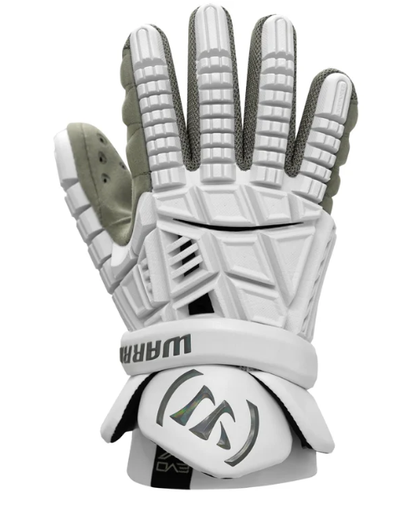
    Time for new gloves?Warrior Evo V Gloves
    Buy now
  • Field Hockey vs. Lacrosse: Similarities and Difference

    Field Hockey vs Lacrosse: Similarities and Differences | LaxDrip
    Independent lacrosse gear reviews/Men’s · Women’s · Goalie

    Field Hockey vs Lacrosse: Similarities and Differences

    A curved stick on the ground vs a netted stick in the air. Here's how field hockey and lacrosse compare on rules, gear, formats, injuries and the big tournaments.

    Field hockey vs lacrosse
    The quick answer
    11Field hockey

    11 a side, a flat curved stick and a hard ball kept on the ground.

    10Men's lacrosse

    10 a side (12 in women's), a netted stick and a rubber ball that moves through the air.

    Today we've got a head-to-head battle between two great sports: field hockey vs lacrosse. Fans have been debating the two online forever. Lacrosse has been one of the fastest-growing team sports in North America, while field hockey is a favorite with athletes all over the world.

    So what sets them apart, and which one would you choose if you're picking a sport?

    Let me make it easier. I'll walk through the key differences in rules and gameplay, equipment, formats, injuries and the major tournaments.

    We may receive a commission if you make a purchase through a link on this page at no cost to you. This helps us keep this site free & we appreciate your support!

    The basics of field hockey vs lacrosse

    First things first, here are the basics.

    What is field hockey?

    Field hockey is a team sport played on grass or artificial turf. Players use sticks with curved ends to hit a small, hard ball into the other team's goal. Stick-and-ball games like it go back thousands of years. The ball stays mostly on the ground, with very little play in the air.

    What is lacrosse?

    Lacrosse is also played on grass or turf. Players use sticks with mesh pockets to pass, catch and shoot a vulcanized rubber ball into the goal. The field game is mostly played in the spring and summer. The ball spends a lot of time in the air on passes and shots, but ground balls are a huge part of the game too. Win the ground ball battle and you usually win the game.

    Key differences in rules and gameplay

    The biggest differences between field hockey and lacrosse come down to the rules and how each game is played.

    [wpdatatable id=396]

    In field hockey, each team has 11 players, including the goalie. Formations vary, but a common setup is forwards, midfielders and defenders in front of the goalie. The field is 100 yards long by 60 yards wide.

    Players use a curved stick to move the ball along the ground and try to score in the other team's net. International games are four 15-minute quarters, while U.S. high school games are usually played in halves.

    Men's field lacrosse has 10 players per team: three attackmen, three midfielders, three defensemen and a goalie. The standard field is 110 yards long by 60 yards wide.

    Players use a stick with a netted head to catch, carry and pass a rubber ball through the air and shoot it into the other team's goal. College and pro games are usually four 15-minute quarters.

    Read more: How long is a lacrosse game (youth, men, women, professional)?

    Equipment comparison

    The amount of protective gear in each sport is very different.

    Equipment comparison of field hockey and lacrosse

    Field hockey equipment

    Field hockey players use a flat, curved stick and a hard ball. Protective gear includes shin guards and mouthguards, and some players also wear eye protection.

    Lacrosse equipment

    Lacrosse players use a stick with a mesh pocket and a rubber ball. Because the men's game is so physical and the ball moves fast through the air, men wear more protective gear, including helmets, gloves, shoulder pads and arm guards.

    Women's lacrosse players usually wear mouthguards and goggles, and body checking isn't allowed in the women's game.

    [wpdatatable id=397]

    Read more: Rules of lacrosse

    Variations and formats

    Both sports have evolved over time, making them even more exciting for fans.

    Variations of field hockey

    • Outdoor field hockey: Played on a full-size field with 11 players per side.
    • Indoor field hockey: Played on a smaller court with 6 players per side.

    Variations of lacrosse

    • Field lacrosse: Played on a full-size field with 10 players per side in the men's game.
    • Box lacrosse: An indoor version played in a hockey rink with 6 players per side. It's fast, physical and huge in Canada.
    • Sixes: A fast-paced, smaller-sided version that's growing worldwide and heading to the 2028 LA Olympics.

    I've put together a detailed comparison of box lacrosse vs field lacrosse here.

    Injury rates and scoring differences

    One study suggests lacrosse, especially the men's game, has a higher rate of contact injuries than field hockey, while field hockey sees more injuries overall.

    Lacrosse injury comparison

    The types of injuries are very different, though. Lacrosse has more contact injuries, while field hockey has more non-contact injuries like sprained ankles and muscle strains.

    The scoring rates and techniques are different too. Here's more on how scoring works in lacrosse.

    [wpdatatable id=398]

    Physical demands and skill sets

    Field hockey takes quick feet, good hand-eye coordination and precise stickwork. Players stay low for much of the game, which takes a lot of lower-body strength and endurance.

    Lacrosse is known for its pace and full-field sprints. You have to be quick and strong, and how you attack the cage strategically is a huge part of the game.

    [wpdatatable id=399]

    Gender differences in gameplay

    There's another side to the field hockey vs lacrosse comparison: gender. Participation, rules and equipment all differ. In the United States, field hockey is mostly played by women and girls, with far fewer male players.

    Lacrosse is played by both men and women at every level, but the men's and women's games are very different in rules and physicality.

    Men's lacrosse allows body checking and stick checking. Women's lacrosse limits physical contact and only allows controlled stick checks.

    The sticks are different too. Men's sticks have deeper pockets, while women's sticks have shallower pockets, which puts more emphasis on stick skills.

    Research also suggests that female lacrosse players may be more prone to ACL injuries than field hockey players, likely because of differences in posture and landing mechanics.

    Same field, same turf, two completely different games.

    Popularity and cultural impact

    Field hockey has huge followings in countries like the Netherlands, Australia and India, and it's a staple of high school and college sports in the U.S.

    Lacrosse, on the other hand, keeps growing fast across North America, with college programs everywhere and pro leagues like the Premier Lacrosse League (PLL) drawing bigger crowds every year.

    Major tournaments and events

    Both sports have a global presence and big-time events.

    Major field hockey tournaments

    • Hockey World Cup: The biggest event in international field hockey.
    • Olympics: Field hockey has been part of the Olympics since 1908.

    Major lacrosse tournaments

    • World Lacrosse Championship: The pinnacle of international lacrosse.
    • Premier Lacrosse League (PLL): The top pro outdoor league, ending each summer with its championship series.

    Switching from field hockey to lacrosse?

    Coach's note: Some of the best girls' lacrosse players I've coached, from upstate New York to Virginia Beach to Ontario, came over from field hockey. They already know spacing, cutting and how to defend without fouling. The new part is cradling and catching, so get a stick, find a wall and put in your reps before the first practice.

    People also ask

    Is there a difference between field hockey and lacrosse?

    Yes. Field hockey players use a curved stick to hit a hard ball along the ground, while lacrosse players use a netted stick to catch, carry and throw a rubber ball through the air.

    Is lacrosse faster than field hockey?

    Lacrosse usually feels faster, with full-field transition, constant running and lots of scoring chances, while field hockey rewards precise, low ball control along the ground.

    What is the difference between a field hockey stick and a lacrosse stick?

    A field hockey stick is flat on one side with a curved hook at the end, while a lacrosse stick has a head with a mesh or traditional pocket for catching, passing and shooting.

    What gender is field hockey for?

    In the United States, field hockey is mostly played by women and girls, but it's popular with both men and women around the world.

    Do women and men play lacrosse differently?

    Yes. Men's lacrosse allows body checking and requires more protective gear, while women's lacrosse limits contact and players wear lighter equipment like goggles and mouthguards.

    As you can see, there are plenty of differences between field hockey and lacrosse. Even so, both sports share a lot: scoring on a goal, similar field sizes, and the need for the right equipment and protection. Whichever one you pick, you're in for a great game.

    Women's stickMaverik Aim Complete
    Buy now
  • Lacrosse vs Rugby: Similarities and Difference

    Lacrosse vs Rugby: Similarities and Differences | LaxDrip
    Independent lacrosse gear reviews/Men’s · Women’s · Goalie

    Lacrosse vs Rugby: Similarities and Differences

    One's played with a stick, the other with your hands. Here's how lacrosse and rugby compare on rules, gear, formats, injuries, scoring and the big tournaments.

    Lacrosse vs rugby
    The quick answer
    StickLacrosse

    Players catch, carry and shoot a small rubber ball with a stick, in full protective gear.

    HandsRugby

    Players carry, pass and kick an oval ball, with constant tackling and minimal padding.

    I've been on a mission to break down the differences between some of the most popular contact sports, and now it's time for lacrosse vs rugby. A young fan recently asked me what the difference is between the two.

    I gave him a quick answer: in both, you move the ball down the field and try to score.

    But in lacrosse, you carry the ball in a stick, while in rugby, you carry it in your hands or kick it.

    I realized that answer didn't really capture either sport, so here's a more detailed comparison of rugby vs lacrosse.

    We may receive a commission if you make a purchase through a link on this page at no cost to you. This helps us keep this site free & we appreciate your support!

    The basics of lacrosse vs rugby

    First things first, here are the basics of each sport.

    What is lacrosse?

    Lacrosse is North America's oldest sport, and it originated with Indigenous nations. You use a stick with a netted head to catch, carry and pass a small rubber ball, and the goal is to shoot it into the other team's net.

    What is rugby?

    Rugby originated in England in the early 19th century. Players score by carrying the oval ball over the other team's goal line and touching it down for a try, or by kicking it between the goalposts and over the crossbar.

    You might not know this, but both sports have deep history and are played around the world.

    Both have roots in their cultures: lacrosse in Indigenous ceremony and tradition, and rugby in early English football.

    Key gameplay differences between lacrosse and rugby

    When you compare lacrosse and rugby on rules and gameplay, the differences are pretty clear.

    Lacrosse tends to be more structured, with set plays, substitutions on the fly and stoppages for things like faceoffs and penalties.

    Rugby is more continuous. It takes great team coordination and quick decisions.

    The table below compares the most important features.

    [wpdatatable id=483]

    Read more: Rules of lacrosse

    Equipment comparison

    The equipment in each sport reflects how it's played.

    Equipment comparison of rugby and lacrosse

    Both are contact sports, but rugby is the more physical of the two.

    Lacrosse equipment

    Lacrosse players wear helmets, gloves, shoulder and arm pads, and mouthguards to protect against hard shots and stick checks.

    You'll also need cleats, shoes with studs built for quick cuts and fast movement on grass and turf.

    Rugby equipment

    Rugby players wear much less protection. Their gear is mostly limited to a mouthguard, optional soft headgear (a scrum cap) and light padding under the jersey. Rugby relies on tackling technique and physical strength instead of hard pads.

    Rugby players wear studded boots for traction on natural or artificial grass.

    The table below compares the equipment side by side.

    [wpdatatable id=484]

    Variations and formats

    Both sports have evolved into different formats to fit different places to play and different tastes. I love these variations because they make the games fun for everyone.

    Whatever your skill level or style, you can find a version that suits you, which brings more people into the game.

    Variations of lacrosse

    • Field lacrosse: The outdoor version, with 10 players per side in men's lacrosse (12 in women's), played on a big grass or turf field. See how many players are on a lacrosse team.
    • Box lacrosse: Played indoors in a hockey rink with six players per side, including the goalie. It's faster and more physical, and it's the version most kids in Canada, where lacrosse is the national summer sport, grow up playing. Read more about box vs field lacrosse.
    • Sixes: A fast, smaller-sided version that's growing worldwide and will be on the Olympic program at the 2028 LA Games.

    Variations of rugby

    • Rugby union: The most widely played form of rugby, with 15 players per side.
    • Rugby league: A 13-a-side version with different tackling and scoring rules.
    • Rugby sevens: Like box lacrosse, it's a faster version of the game, with seven players per side, shorter matches and lots of open-field play.

    Injury rates

    To really understand the difference between the two games, you need to know their physical demands. Both carry real injury risk, but the types of injuries are quite different.

    Lacrosse injury comparison

    In college men's lacrosse, shoulder injuries happen at a rate of 0.59 per 1,000 athlete exposures (AEs), according to the American Orthopaedic Society for Sports Medicine, and they're more common in games than at practice.

    Rugby's overall injury rate is higher than in many other contact sports, and a big share of injuries happen in matches (see this research).

    The table below compares injury rates and average scoring.

    [wpdatatable id=485]

    Average scoring

    Lacrosse is a high-scoring game. Teams often score 10 or more goals in a game, and each goal counts as one (outside the pro two-point arc).

    Rugby scores look bigger on paper, usually somewhere in the 20s or 30s per team depending on the level, because points come in chunks: five for a try, two for a conversion and three for a penalty kick or drop goal.

    That mix of tries, conversions and penalties makes rugby scoring a little more complicated.

    The table below compares the skills each sport demands and how intense they are.

    [wpdatatable id=486]
    This isn't about which sport is better. It's about which one fits you.

    Major tournaments and events

    Both lacrosse and rugby have big events that fans circle on the calendar. Whether you're watching a fast-paced lacrosse game or a hard-hitting rugby match, these are where the best action happens.

    Major lacrosse tournaments

    • World Lacrosse Championship: Held every four years with national teams from around the globe. It's the pinnacle of international lacrosse.
    • NCAA Lacrosse Championship: The premier college tournament in the United States, where the top programs battle for a national title on Memorial Day weekend.

    Major rugby tournaments

    • Rugby World Cup: The most prestigious event in rugby, held every four years with the best national teams in the world.
    • Six Nations Championship: An annual tournament between England, France, Ireland, Italy, Scotland and Wales, known for its rich history and passionate fans.

    Lacrosse starter gear

    Coach's note: I've coached plenty of kids in Ontario, upstate New York and Virginia Beach who played rugby or football before picking up a stick. They already know how to take a hit and read a field. What they need is reps with the stick. Get a ball, find a wall and put in 15 minutes a day, and they catch up fast.

    People also ask

    What is the difference between rugby and lacrosse?

    Rugby is a continuous, full-contact sport where players carry, pass or kick an oval ball to score tries and kicks. Lacrosse is played with a stick, and players pass, carry and shoot a small rubber ball into a goal.

    What sport is lacrosse most similar to?

    Hockey. Like hockey, lacrosse is about passing, shooting and defending a goal with a stick, with lines changing on the fly, but it's played on a field instead of ice. Box lacrosse is even played in hockey rinks.

    What sport is lacrosse closest to?

    Lacrosse is closest to hockey and soccer. It has hockey's pace and stick skills, and its field layout and team play are a lot like soccer's.

    Is lacrosse one of the hardest sports?

    It's one of the toughest to master. Lacrosse takes speed, agility, hand-eye coordination, endurance and physical toughness all at once.

    Does rugby have more injuries than lacrosse?

    Generally, yes. Rugby involves constant tackling with minimal protective gear, which leads to more contact injuries, while lacrosse players wear helmets, gloves and pads.

    Lacrosse and rugby are both contact sports, but rugby is the more physical of the two. Lacrosse puts more emphasis on stick skills, strategy and speed, while rugby leans on footwork, tackling and strength. This isn't about which sport is better. If you're about to pick a sport, I hope these differences help you decide which one is the right fit for you.

    Get startedWarrior EVO Complete Stick
    Buy now
  • Can You Use Lacrosse Gloves For Hockey?

    Can You Use Lacrosse Gloves for Hockey? | LaxDrip
    Independent lacrosse gear reviews/Men’s · Women’s · Goalie

    Can You Use Lacrosse Gloves for Hockey?

    For street or roller hockey in a pinch, maybe. For ice hockey, no. Here's how lacrosse and hockey gloves differ and why it matters for your hands.

    Can you use lacrosse gloves for hockey
    The quick answer
    IceDon't do it

    Lacrosse gloves don't have the padding, wrist coverage or thumb lock to stand up to pucks and slashes.

    StreetIn a pinch

    For casual roller, ball or street hockey, lacrosse gloves can work for a pickup game.

    Pro-level gear can get expensive, and players are always looking for ways to save. I remember saving for months to buy my first pair of lacrosse gloves, and they were worth every penny. Then one day a teammate asked me, "Can you use lacrosse gloves for hockey?" The answer isn't a simple yes or no.

    Lacrosse gloves are flexible and light, but they aren't built for the physical demands of hockey, especially ice hockey. For casual roller or street hockey, lacrosse gloves might work in a pinch. For ice hockey, they fall short on protection, wrist coverage and thumb stability.

    In this article, I break down the key differences, what players have to say, and whether lacrosse gloves can ever be a safe option for hockey.

    We may receive a commission if you make a purchase through a link on this page at no cost to you. This helps us keep this site free & we appreciate your support!

    Key differences between lacrosse and hockey gloves

    At first glance, lacrosse gloves and hockey gloves look a lot alike. They both protect your hands and let you control your stick. But they're built for different kinds of impacts and different games.

    Here's a detailed comparison that shows why they aren't interchangeable.

    [wpdatatable id=508]

    Can you use lacrosse gloves for hockey?

    Some players have tried lacrosse gloves for hockey, but the results are mixed. Let's look at the pros and cons.

    Pros

    • Lightweight design: Lacrosse gloves are usually lighter, which some players like for stickhandling.
    • Better flexibility: More finger mobility gives you finer control over the stick.

    Cons

    • Not enough protection: Lacrosse gloves aren't built to stand up to hard pucks, slashes and body checks into the boards.
    • Thumb vulnerability: The more flexible thumb on lacrosse gloves raises the risk of injuries like dislocations.
    • Not enough wrist coverage: In hockey, your wrists take slashes and stray pucks. Lacrosse gloves don't have enough padding there to protect you.

    For casual roller hockey or street games, some players find lacrosse gloves comfortable. In competitive ice hockey, though, the lack of padding makes them unsafe.

    Can you use hockey gloves for lacrosse?

    If you're wondering whether hockey gloves work for lacrosse, the answer is yes, but only for beginners, and only if your league allows it. Check with your league before game day.

    Hockey gloves are bulkier because they're designed to absorb pucks and hard hits. They protect your hands well, but they limit wrist movement, which makes it harder to cradle, pass and shoot.

    As a beginner, you might not notice the restriction right away, but as you get better, you'll want lacrosse gloves that give you more feel and dexterity.

    Read more: Is lacrosse a contact sport?

    Player experiences and opinions

    To get a better perspective, I looked into player discussions about using lacrosse gloves for hockey. Some have tried it, but most don't recommend it.

    Hockey gloves vs lacrosse gloves

    Here's what they had to say:

    "They work fine for roller hockey, but I wouldn't use them on the ice."
    • "Lacrosse gloves have way less padding and don't protect your wrists enough for hockey."
    • "I love the flexibility, but my hands took a beating. Not worth it."

    One player remembered wearing lacrosse gloves in an ice hockey game and realizing halfway through that his hands didn't have the protection they needed. Officials may not always stop you from wearing lacrosse gloves in hockey, but experienced players agree they aren't safe for serious play.

    One issue that came up again and again is that lacrosse gloves often lack a true thumb lock, leaving the thumb more vulnerable.

    Why protection matters in hockey gloves

    Like lacrosse, hockey is fast and physical, and proper hand protection is essential. Here's why real hockey gloves are a must for any serious player:

    • High-speed pucks: A hard slap shot can top 100 mph. Lacrosse gloves aren't built to absorb a frozen puck at that speed.
    • Slashes and checks: Hockey gloves are reinforced to stand up to slashes from other players' sticks, which lowers your injury risk.
    • Thumb hyperextension: Most hockey gloves have a built-in thumb lock to keep your thumb from bending too far back, a common hockey injury.

    Without proper padding, you risk serious hand injuries that could sideline you for weeks or months. The right gloves aren't just about comfort. They're about safety.

    Read more: Is lacrosse hard, or is that just a myth?

    Alternatives to lacrosse gloves for hockey

    If you want something lighter than traditional ice hockey gloves, consider these options:

    • Inline hockey gloves: Built for roller hockey, they give you protection without the bulk of ice hockey gloves.
    • Lighter hockey gloves: Some brands make more flexible, better-ventilated models for casual play.

    Lacrosse gloves at BattleLax

    Coach's note: Plenty of kids I've coached, from Ontario to upstate New York to Virginia Beach, play hockey in the winter and lacrosse in the spring, and that's a great combo. Just keep two sets of gloves in the garage. Use your hockey gloves on the ice and your lacrosse gloves on the field, and your hands will thank you.

    Need help picking a pair? Check out our guide to the best lacrosse gloves.

    People also ask

    Can you use lacrosse gloves for ice hockey?

    No. Lacrosse gloves don't have enough padding or wrist protection for ice hockey.

    Are lacrosse and hockey gloves the same?

    No. Hockey gloves have thicker padding and a stiffer thumb lock for protection, while lacrosse gloves put more weight on flexibility and stick feel.

    Can I wear a hockey helmet for lacrosse?

    No. Lacrosse helmets have to meet the NOCSAE lacrosse standard and are built with a full facemask and coverage for lacrosse balls and stick checks. A hockey helmet isn't legal for lacrosse.

    Can you use lacrosse gloves for ball hockey?

    Yes, for casual ball hockey games. They're flexible and light, but they don't have the padding for high-impact play, so hockey gloves are still the better choice for hockey.

    Are lacrosse and hockey pads the same?

    No. Lacrosse pads are lighter and built for stick checks, while hockey pads have thicker padding to protect against pucks, boards and heavy contact.

    Which hand do you wear a hockey glove on?

    Both. Hockey players wear a glove on each hand, with the top hand controlling the stick and the bottom hand providing grip and power.

    Are lacrosse gloves cheaper than hockey gloves?

    Not always. Entry-level lacrosse gloves can be cheaper, but top-of-the-line lacrosse gloves cost about the same as mid-range hockey gloves. Compare the protection, not just the price.

    Read more: Newest lacrosse gloves

    So, can you use lacrosse gloves for hockey? For a friendly game or casual roller hockey, they'll work in a pinch, since they're light and flexible. But skip them for serious ice hockey or any game with real contact. They fall short on thumb locks, padding and wrist coverage, and that puts your hands at risk. Invest in a proper pair of hockey gloves for hockey, and save your lacrosse gloves for the field.

    Top lacrosse gloveWarrior Evo V Gloves
    Buy now
  • Understand the Roles and Positions of Lacrosse

    Lacrosse Positions Explained: Every Role on the Field | LaxDrip
    Independent lacrosse gear reviews/Men’s · Women’s · Goalie

    Understand the Roles and Positions of Lacrosse

    Attack, midfield, defense, goalie and the specialists in between. Here's what every lacrosse position does, who's played it best, and the gear each one needs.

    Lacrosse positions and roles
    The quick answer
    10Players per side

    3 attackmen, 3 midfielders, 3 defensemen and 1 goalie in men's field lacrosse.

    4+Specialists

    LSMs, short-stick middies, faceoff guys (FOGOs) and transition players fill the gaps.

    If you don't know the positions, a lacrosse field can look like a giant spider web.

    The positions are where the real story of the game is. If you're having trouble following what's happening on the field, I've got you covered.

    In this article, I'm breaking down every lacrosse position and giving you the gist of each one's role, so you can follow and enjoy the game to the fullest.

    Ready to see what makes each position unique?

    We may receive a commission if you make a purchase through a link on this page at no cost to you. This helps us keep this site free & we appreciate your support!

    Team setup in lacrosse

    First things first, let's take a quick look at how a lacrosse team lines up and why. In men's field lacrosse, each team has ten players on the field at a time. (Women's field lacrosse plays 12 a side.)

    [wpdatatable id=35]

    Easy, right? Now let's get into each position in more detail so you understand the finer points.

    Lacrosse positions

    Read more: How long is a lacrosse game?

    Lacrosse player positions on the field

    The image below shows where both teams line up. I'll get into the details of each position shortly.

    Lacrosse field positions

    Attackmen: the finishers

    Let's start with the attackmen, the front line of the team. The pressure to score falls squarely on their shoulders. With slick moves, highlight goals and elite stick skills, attackmen are the ones who get the crowd on its feet.

    Attacker lacrosse position

    Here's what attackmen do:

    • They're the main goal-scorers (no pressure, right?).
    • They need to be quick, with lightning-fast reflexes.
    • They have to beat their defender and find open space.
    • They need to be the best stick handlers on the team, and that only comes from endless wall ball.

    Attackmen also fill two different roles on the field:

    [wpdatatable id=36]
    • Transition attackmen: middies who push up and play as attackmen when needed.

    Attackmen are the stars of the show.

    Notable attackmen

    Lyle Thompson and Jordan Wolf are two of the most prolific goal-scorers the game has seen, known for their creativity, vision and accuracy.

    Gear up: Attackmen want a narrow, pinched head for hold and accuracy, like the StringKing Mark 3A Head ($119.99).

    Midfielders: the all-rounders

    Middies are the backbone of any lacrosse team. They're the ultimate all-rounders, doing a little bit of everything on the field. Their specialty is going from offense to defense and back in the blink of an eye.

    Midfielder lacrosse position

    Here's what midfielders do:

    • They're the most versatile players on the team, able to score and defend. (Ultimate multitaskers.)
    • They need to be fast, fit and relentless when it counts.
    • They read the game and make smart, game-changing plays.
    • Most of them play both offense and defense.

    Middies also fill two different roles on the field:

    [wpdatatable id=40]
    • Transition middies: players who are always ready to flip from offense to defense, and from defense to offense.

    Middies keep the game flowing.

    Notable midfielders

    Paul Rabil, the PLL co-founder and one of the most decorated middies ever, could take over a game at both ends. Tom Schreiber of the Archers is a dynamic middie known for his speed, vision and agility.

    Gear up: Middies need a head that does a bit of everything. A great all-around option is the StringKing Mark 3V Head ($119.99).

    Defensemen: the protectors

    Defensemen guard the cage as the last line in front of the goalie. They're usually loud and strong, and they keep the other team's offense in check.

    Defender lacrosse position

    Here's what defensemen do:

    • They're some of the toughest players on the field.
    • They're usually among the strongest, too.
    • Their job is shutting down the other team's offense.
    • They're the most vocal players on the team. A quiet defense is a beaten defense.

    Defensemen also fill two different roles on the field:

    [wpdatatable id=42]
    • Transition defensemen: players, often middies, who drop back and play defense when needed.

    Defensemen are the soldiers standing between the offense and the goal.

    Notable defensemen

    Tucker Durkin and Matt Landis are two great examples of versatile close defensemen who excel at shutting down the best attackmen in the game.

    Gear up: Defensemen want a wide, stiff head built for checks and ground balls, like the Maverik Tank 2.0 Head ($109.99).

    Goalie: the last hope

    The goalie is the team's last hope. They keep the other team off the scoreboard one save at a time.

    Goalie lacrosse position

    Here's what goalies do:

    • They're arguably the most important player on the field.
    • They have lightning-fast reflexes.
    • They read the shooter and anticipate where the shot is going.
    • They track the ball every second, with no time to take a breather.

    Notable goalies

    Goalies thrive under pressure and live for the big save that flips the momentum. Players like Blaze Riorden, John Galloway and Colin Kirst have set the standard with their clutch performances.

    Gear up: Goalies need a big, stiff head that holds its shape on hard shots, like the ECD Impact Goalie Head ($109.99).

    Read more: What are the rules of lacrosse?

    Special player positions in lacrosse

    Here are the specialist positions you'll see in lacrosse.

    Long stick midfielders (LSM) vs short stick midfielders (SSM)

    LSMs and SSMs are midfield specialists, each with a unique set of skills and a different mindset.

    Long stick midfielders (LSM): LSMs carry a long pole, which lets them control the tempo and dictate play. They excel on defense, using their reach to intercept passes, throw poke checks and win ground balls, and the best ones push transition the other way.

    Some of the best LSMs include Greg Danseglio and Michael Ehrhardt.

    Short stick midfielders (SSM): SSMs carry a regular-length stick, so they rely on speed, agility and smart decisions. On offense, they create chaos and attack the defense. Short-stick defensive middies (SSDMs) are their defensive counterparts, guarding the other team's middies without a long pole.

    Some of the best short-stick middies include Tom Schreiber and Bubba Fairman.

    Here's a quick table with a few key differences to help you tell LSMs and SSMs apart.

    [wpdatatable id=45]

    In short, LSMs bring a more physical presence, while SSMs bring speed and strategy. Both are key midfield positions.

    Faceoff specialist

    Faceoff specialists start every quarter and restart play after every goal. They have quick hands and great hand-eye coordination, and their number one job is winning possession the second the whistle blows.

    Some of the best faceoff specialists are Trevor Baptiste and Greg Gurenlian.

    FOGO (face off, get off)

    A FOGO is a faceoff specialist whose job is right there in the name: win the faceoff, then get off the field so a regular middie can sub in. Some faceoff guys are more than that. They win the draw, then push transition or stay on and play like a middie, which makes them faceoff specialists, middies and transition players all in one.

    Greg Gurenlian is one of the best-known faceoff men in the game's history.

    Read our full guide on what FOGO means in lacrosse. Faceoff guys need a faceoff head, like the Gait Faceoff Flex ($119.99).

    Transition players

    Transition players make the game exciting because they switch roles so fast. They're the middies and poles who can flip from defense to offense in a heartbeat, and they make the whole team better.

    Some of the best transition players include Jordan Wolf, Tom Schreiber and Michael Manley.

    Substitutions and rotations in lacrosse

    Substitutions and rotations are strategic moves to change up the lineup and find the right combination of players to win the game.

    [wpdatatable id=46]

    Substitutions and rotations help to:

    • Bring in fresh legs and fresh minds
    • Exploit the other team's weaknesses
    • Change the pace and tempo
    • Adjust to the flow of the game

    By rotating players, coaches keep the other team on its toes and keep the game interesting.

    Every position has a job. Know yours, and you'll know where to be.

    Read more: When is the lacrosse season?

    Gear by position

    Coach's note: From youth jamborees in Virginia Beach to Ontario box floors and upstate New York high school fields, I tell every new player the same thing: try a couple of positions before you lock in. Your speed, your size and your hands will tell you where you belong, and the right head for that spot makes the game a lot easier.

    Just starting out and not sure of your position yet? A complete stick like the Warrior EVO Complete Stick 2026 ($109.99) works anywhere on the field while you figure it out.

    People also ask

    What are the roles of attackers in lacrosse?

    Attackmen are the frontline goal-scorers. They need speed, agility and great stick skills to dodge defenders, find open space and finish shots from close range or out top.

    Who are some notable attackers in lacrosse?

    Lyle Thompson and Jordan Wolf are known for their goal-scoring, vision and accuracy. They're two of the most prolific scorers the pro game has seen.

    What do midfielders do in lacrosse?

    Midfielders play both ends of the field. They need speed, fitness and a high lacrosse IQ to run the transition game, help the offense score and get back on defense.

    Who are some notable midfielders in lacrosse?

    Paul Rabil and Tom Schreiber are two of the best midfielders ever, known for their scoring, speed and ability to impact the game at both ends.

    What are the responsibilities of defenders in lacrosse?

    Defensemen are the last line in front of the goalie. They use their long poles, positioning and communication to shut down attackmen and force turnovers.

    Who are some notable defenders in lacrosse?

    Tucker Durkin and Matt Landis are two of the best close defensemen the pro game has seen, known for shutting down top attackmen.

    What distinguishes LSMs from SSMs in lacrosse?

    Long stick midfielders (LSMs) carry a long pole and specialize in defense, ground balls and transition. Short stick midfielders (SSMs) carry a regular-length stick and rely on speed and agility, whether they're running offense or playing short-stick defense.

    Who are some notable LSMs and SSMs in lacrosse?

    Greg Danseglio and Michael Ehrhardt are standout LSMs. Tom Schreiber and Bubba Fairman are standout short-stick midfielders.

    Now that you know every lacrosse position, you'll be able to follow and enjoy the game to the fullest. From the lightning-quick attackmen to the stone-wall defensemen, every position plays a vital role.

    New to lacrosse?Warrior EVO Complete Stick
    Buy now
  • Why Do Lacrosse Players Drop Their Sticks?

    Why Do Lacrosse Players Drop Their Sticks After Scoring? | LaxDrip
    Independent lacrosse gear reviews/Men’s · Women’s · Goalie

    Why Do Lacrosse Players Drop Their Sticks?

    It looks like a mic drop, but there's a rule behind it. Here's why women's lacrosse players drop their sticks after scoring, and why the men don't.

    Why do lacrosse players drop their sticks
    The quick answer
    RuleNCAA women's lacrosse

    The scorer has to drop her stick so officials can check the pocket. No drop, no goal.

    MenNo drop required

    Men's rules don't require it. Sticks still get checked, just not after every goal.

    Ever watched a lacrosse game and wondered why players drop their sticks after scoring? I'll admit, the first time I saw it, I thought it was a mistake. It looks strange at first, but they do it on purpose.

    It's not a requirement in men's lacrosse. In NCAA women's lacrosse, though, the scorer has to drop her stick for the goal to count. Under the rules, officials check the stick to make sure the pocket (the part that holds the ball) is legal.

    Simple, right? But there's more to the story than just the rules. Let me tell you about it.

    We may receive a commission if you make a purchase through a link on this page at no cost to you. This helps us keep this site free & we appreciate your support!

    The rules behind stick-dropping in lacrosse

    In women's lacrosse, the rule keeps the game fair and stops players from gaining an edge with an illegal stick. When a player scores and drops her stick, the officials check that it meets the rules:

    Under NCAA rules, a goal doesn't count if the scorer doesn't drop her stick or hand it to the nearest official, and if she adjusts her stick before dropping it, the goal is waved off and the stick is ruled illegal. That can turn a big moment into a lot of frustration for the team.

    Read more: What makes a lacrosse stick illegal

    Why does only women's lacrosse require it?

    You might wonder why this rule is only for the women's game. In NCAA women's lacrosse, officials check the scorer's stick after every goal to make sure the pocket is within legal limits, and dropping the stick is how that check happens.

    Men's lacrosse doesn't check sticks after every goal, partly because the rules on contact and pocket depth are different. Men's sticks still get checked, just not after every goal.

    Why only women's lacrosse requires dropping sticks after scoring

    Stick checks can also be requested during the game, though the timing depends on the rule set. In high school girls' lacrosse, for example, officials don't do mandatory checks after every goal, but coaches can request one at any stoppage. That's why you'll still see high school and youth players drop their sticks out of habit.

    Men's players aren't even allowed to throw their sticks during play. That's a penalty.

    Read more: Rules of lacrosse

    Where the stick drop came from

    Lacrosse has been around for centuries. It was first played by Indigenous nations in North America, who call it "The Creator's Game." It was deeply spiritual and was often played to settle conflicts or as part of ceremonies.

    As the sport grew, fairness and respect stayed at the heart of it. The stick drop itself is much newer, though. According to USA Lacrosse, players used to tighten their strings right after scoring to avoid illegal-stick calls, so the NCAA Women's Lacrosse Rules Committee made the drop part of the rules after the 2013 season. It's been a part of every goal ever since.

    More than just a rule: the emotional side

    Scoring in any sport is a big deal, and scoring in lacrosse isn't easy. It takes skill, strategy and teamwork. It's not official, but when a player drops her stick after a goal, it's like a mic drop. It says, "I did my job. Now check it, it's clean."

    It's a mic drop with a rulebook behind it.

    Now that you know why lacrosse players drop their sticks after scoring, let's see how lacrosse compares to other sports when it comes to celebrations.

    How lacrosse stick-dropping compares to other sports

    I've always been fascinated by celebrations in different sports. Some players have signature celebrations that take over the internet.

    In soccer, players take off their jerseys (and get a yellow card for it). In basketball, there's the slam dunk, followed by fist pumps or chest bumps.

    In lacrosse, you celebrate by letting go of your stick. It's unique, isn't it? You won't see a field hockey player drop her stick to have it checked after a goal.

    [wpdatatable id=351]

    Lacrosse makes it its own without going overboard on the celebrating. It keeps things exciting and classy.

    How often do stick checks take away goals?

    Looking at the table below, it's clear that stick checks rarely take goals off the board. Dropping the stick is as much about the emotion of the moment as anything else.

    [wpdatatable id=352]

    If we're talking lacrosse fans, I count myself as one of the biggest. Dropping the stick is an important part of women's lacrosse that keeps the game fair. It can be confusing for new fans at first.

    Players, on the other hand, see it as routine.

    Keep your stick legal

    Coach's note: I've seen it at every level, from upstate New York girls' programs to Virginia Beach club teams and Ontario field lacrosse: a pocket that bags out over the season costs you a goal at the worst possible time. Check your pocket before every game, drop the ball in and make sure the top of it sits above the sidewall, and if you're not sure, ask your coach or the official to take a look before the draw.

    Read more: How scoring works in lacrosse

    People also ask

    Why do lacrosse players drop their sticks?

    In NCAA women's lacrosse, the player who scores has to drop her stick (or hand it to an official) so the officials can check that the pocket is legal. If she doesn't, or if she adjusts her stick first, the goal doesn't count.

    What is an illegal lacrosse stick?

    An illegal stick has a pocket that's too deep, dimensions outside the rules, or modifications that give an unfair advantage, like strings set up to hold the ball. Illegal sticks are removed from the game.

    Why do girls throw their stick after scoring?

    In college women's lacrosse, the scorer has to drop her stick so officials can check it after every goal. Plenty of high school and youth players do it too, even though their rules don't require a check after every goal.

    Why are boys' lacrosse sticks deeper than girls'?

    Men's lacrosse allows more contact and checking, so men's pockets are deeper to protect the ball. Women's rules require a shallower pocket, which puts more emphasis on stick skills.

    Why don't men's lacrosse players drop their sticks?

    Men's rules don't require the scorer to drop his stick after a goal. Stick checks still happen in men's lacrosse, just not after every goal, and throwing your stick during play is a penalty.

    So why do lacrosse players drop their sticks? Because in college women's lacrosse, it's the rule: no drop, no goal. It keeps the game honest, and it's become one of the sport's signature moments.

    Women's stickMaverik Aim Complete
    Buy now