We may receive a commission if you make a purchase through a link on this page about the Epoch Integra Elite II lacrosse gloves review at no cost to you. This helps us keep this site free & we appreciate your support!
What got me to try the Epoch Integra Elite II lacrosse gloves was all the buzz about Epoch building them off feedback from guys in the PLL and the NLL. I’ve had them on for weeks now, so it’s time to give you my honest take.
I wanted a glove that gives you real protection without turning your hands into oven mitts. Let’s see if the composite inserts in the key zones and Epoch’s top-shelf foam actually deliver.
First, a quick look at what the Integra Elite II brings to the table.
[wpdatatable id=259]
Pros
Highly protective tri-layer density foam
Breathable and sweat-absorbing
High wrist cuff
Sturdy and weather-resistant
Great impact absorption where you get hit most
Cons
Somewhat reduced grip in rain
Not available in small or extra small
Heavier than other gloves
Break-in period
Design & features
Epoch built the Integra Elite II with Tri-Layer dual-density foam stacks, and they flex better than you’d expect. My wrists moved freely the whole time. The finger breaks sit a little lower than on the Maverik Shift gloves, but I still had full freedom to flex my wrist.
The composite material in the key slash zones is the real deal. It spreads the force of a hard check across the glove, so I wasn’t feeling those painful jolts through my hands after a pole took a hack at me.
The inside liner is smooth and comfortable too. A few guys on my team running the same glove said the same thing: fewer palm blisters.
And for how much protection you get, they’re light. They come in around 6 ounces (Epoch doesn’t list an exact weight), which felt right. Not so light they feel flimsy, not so heavy they slow your hands down.
The Integra Elite II comes in three sizes. There’s no small or extra small, though, so younger players will need to look elsewhere.
[wpdatatable id=260]
Fit & comfort
Out of the box they felt tighter than I like. It took about a week to break them in and mold them to my hands. After that, the fit was comfortable and locked in.
The molded cuff gave me full wrist movement, which I lean on when snapping passes or dropping my hands for a low-angle shot. The cuff doesn’t feel stiff at all. I could move my wrist in any direction, and it helped on quick dodges and roll backs.
I was also curious about the Player Core Control with S.Cafe technology. It’s supposed to help regulate temperature, cut down on odor, and dry quickly.
After long practices and games, I could feel the difference, especially with sweat. My hands stayed cooler, and the gloves didn’t carry that usual post-game stink nearly as much.
They’re not warm enough for cold winter sessions, though. If you’re running outdoor practices in upstate New York in March or fall ball up in Canada, throw a thin glove liner underneath.
Performance
The Integra Elite II has a one-piece Ax Suede palm, and the grip is excellent. No seams get in the way of your handling, so you get a clean, consistent feel on the stick.
Where it falls a little short is texture. Compared to the Maverik Shift, the palm doesn’t have much, and I had a harder time holding my grip on the shaft in the rain.
In normal conditions, though, I got a natural feel on the stick when cradling and shooting, and the glove never slipped. On the defensive end, the composite held up under heavy slashes, especially on the thumb. I wasn’t feeling those thumb stingers that take your head out of the game.
The finger breaks are well balanced and give you great flexibility. The inside of the pinky and index fingers is heavily padded too. I had full control of my stick without the stiffness you usually get from a high-protection glove.
Full stick control without the stiffness you usually get from a heavy-protection glove.
BattleLax team salesNeed team gear? Bulk discounts.
The Integra Elite II is one of the most durable lacrosse gloves for men to come out in 2024. They hold up to rain and to hot, sticky summers.
I was impressed with how well they handled my aggressively concave lacrosse shaft. The Ax Suede palm is still free of scratches. A couple of my teammates running the same glove said the same about how long they last.
After eating plenty of checks and slashes, the composite in the high-impact zones shows no sign of breaking down. It kept its protection without losing flex or sturdiness.
The Tri-Layer dual-density foam still absorbs hits like it did on day one, even after four months of hard practices. The cuff and finger padding haven’t lost their shape either.
Value
The Integra Elite II is a premium glove for physical players. It’s built for a contact game like lacrosse, the protection is excellent, and that makes the price worth it.
The grip has some downsides, but the flex, comfort, and snug fit all boost your performance and your confidence. At around $160, it’s good value.
The Integra Elite II is a bit heavier than Maverik’s Shift, which weighs just 4.7 ounces. It’s also heavier than the Maverik M series and some STX gloves.
The tradeoff for the extra weight is clear, though. The protection and shock absorption beat both. The composite in the big slash zones plus the Tri-Layer foam outperforms the lighter competition.
The Integra Elite II also handles sweaty hands better. Maverik’s FlowCool tech breathes well, but it doesn’t soak up sweat like Epoch’s Player Core Control with S.Cafe technology.
Where the Shift wins is palm texture. Its palm gives you more grip than the Integra’s Ax Suede. Still, the Epoch works fine in normal conditions, and it’s one of the best lacrosse gloves for adults.
Air them out somewhere with good airflow, open up the cuffs, and keep them away from direct heat. Odor-absorbing inserts help pull the moisture out faster. Don’t leave them zipped in your bag overnight.
What are lacrosse gloves used for?
Lacrosse gloves protect your hands from checks and slashes and give you the grip, flexibility, and comfort you need for passing, shooting, and stick handling.
Are lacrosse gloves the same as hockey gloves?
No. Lacrosse gloves are lighter and more flexible for stick control and wrist movement. Hockey gloves have thicker padding for higher-impact protection.
How do you choose lacrosse gloves?
Go by fit, protection level, flexibility, and ventilation. Then look at features like foam padding and palm grip for the way you play.
What makes the Epoch Integra Elite II gloves unique?
Tri-layer foam, a one-piece Ax Suede palm, and S.Cafe technology give you top-tier impact protection, comfort, and sweat management.
Final verdict
The Epoch Integra Elite II lacrosse gloves are great value for intermediate and advanced players who want flexibility and impact absorption in one glove. With tri-layer foam, an Ax Suede palm, and S.Cafe sweat management, they’re a strong pick for game day.
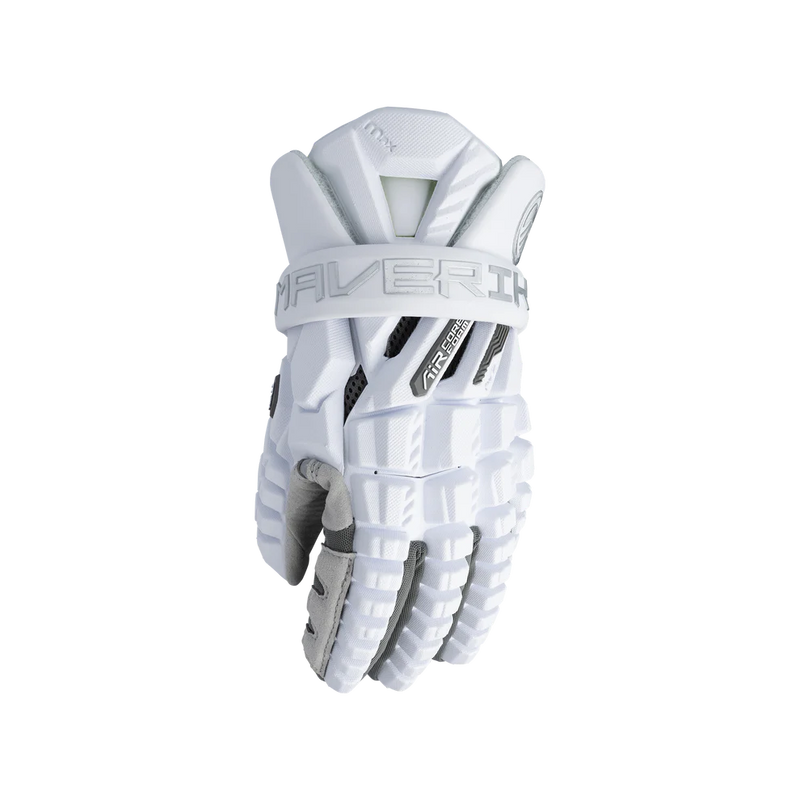
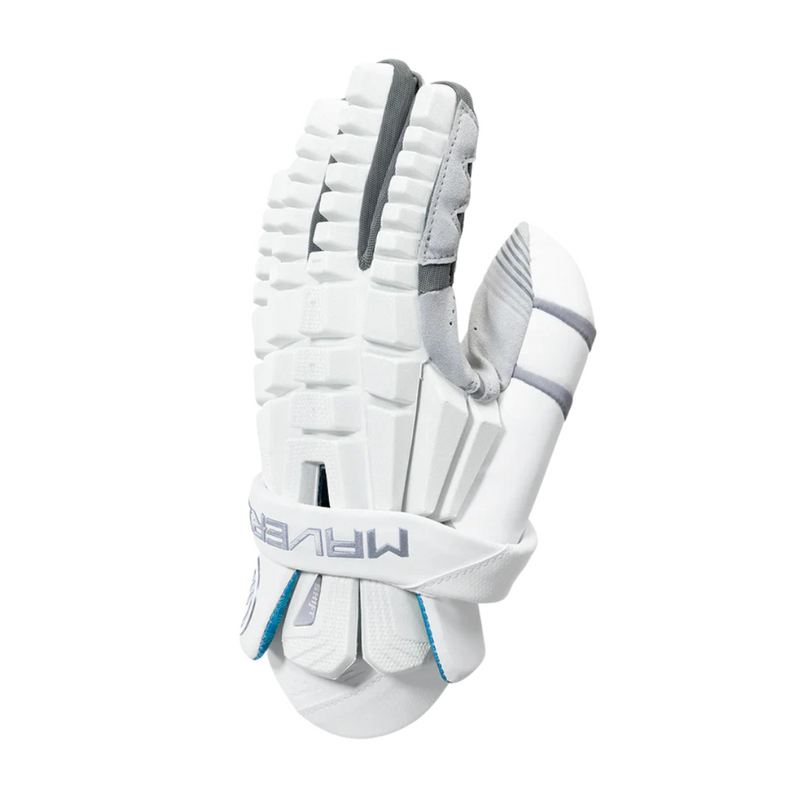
They’re a little heavier than the competition, but the extra protection makes them ideal for physical play. Since BattleLax doesn’t carry Epoch, the Maverik M6 is my go-to in-stock alternative there, especially if you play a lot of games in the rain.
An EKG-certified pad that protects like a tank and moves like a speed pad. Here’s how it held up after months of checks, dives, and ground ball scrums.
CSConnor Stifel · Updated October 16, 2026 · 6 min read
LaxDrip pickEKGND200
LaxDrip verdict: big-time protection with full range of motion. The M6 is no longer on the BattleLax shelf, but its successor, the M7 EKG, is.
We may receive a commission if you make a purchase through a link on this page about the Maverik M6 EKG shoulder pads review at no cost to you. This helps us keep this site free & we appreciate your support!
Maverik dropped a new set of shoulder pads and called them the best of the year. I’ve spent plenty of seasons in pads that felt like a cardboard box strapped to my chest, so I wanted to know if the Maverik M6 EKG shoulder pads actually live up to that.
I’ve worn the Maverik M5 for a long time, so I trusted the build quality. What I really wanted to test was the flex. Do they let you move like a middie, or do they lock you up? After a few hard, physical practices and a stretch of games, here’s my full Maverik M6 EKG shoulder pads review.
MaverikM6 EKG Shoulder PadsNOCSAE ND200 · Field player
The M6 comes with Maverik’s External Kardiac Guard (EKG), which meets the NOCSAE ND200 standard for reducing the risk of commotio cordis. That’s the heart-stopping chest impact every coach worries about. The chest plate does sit out a little, with a gap that makes it look slightly puffed up, but there’s no question about the protection.
I took shots off the chest working the rebounder and ate plenty of checks in practice, and I didn’t feel a thing. The plate absorbs and spreads out the impact so very little force reaches your body. The segmented shoulder caps don’t shift when you move, so you get real freedom of movement without giving up coverage.
The DuraLight Foam adds another layer of safety. It’s light, but thick enough to soak up a shot. I felt well protected without being weighed down, and the hard front plate plus that foam did a great job when I took a check straight on.
Maverik also built in extra sternum and rib coverage for the areas that get hurt most. I got leveled going after a ground ball, the kind of hit that usually rattles you or cracks a rib. In the M6, it felt like a firm nudge.
I got leveled on a ground ball. In the M6, it felt like a firm nudge.
Men’s defense setupElite protection, maximum performance
The M6 EKG moves with your body. Whether I’m dodging from up top or getting low to fight for a gritty 50/50 ground ball, I barely notice them.
The segmented shoulder caps and chest padding are built with mobility in mind. Every piece sits right and flows with you instead of feeling bulky or stiff. I went with a medium for my build, and it comes in three sizes.
[wpdatatable id=262]
Small
71–90 lbs
Medium
91–130 lbs
Large
131+ lbs
The Velcro adjustment at the waist is a big help. I could dial in the fit exactly how I wanted it, snug enough to stay put but loose enough to keep my full range of motion.
That snug fit kept the pads locked in during tough man-to-man coverage. They didn’t ride up into my stomach like the STX Cell V does when I stretched out to block a shot or knock down a pass.
Sizing can run a little different for some guys. I’m 122 lbs and the medium was the right call, but if you’re between sizes, try them on with your gear before game day.
They’re also really light. I never put them on a scale, but I never felt like I was carrying extra bulk.
Breathability
From the first practice, I noticed how well these breathe. The liner is a quick-dry material that helps regulate temperature, so you stay comfortable from the first whistle to the last.
The liner wicks sweat instead of trapping it, and the soft foam padding pulls moisture away too. During sticky summer tournament weekends, like the ones down around Virginia Beach, the pads handled the sweat and dried out fast between games.
The durability genuinely impressed me. After a lot of practices and some chippy games, they still look and feel close to new.
The Velcro did lose some grip, but the rest of the build is rock solid. No loose or busted stitching on the seams, and the stretch elastics and arm pieces don’t have a scratch.
The hard front plate held up to dents and scuffs after three straight months of direct checks and diving on loose balls. I play physical, and my shoulder pads usually look beat up within six months. These showed no real wear.
The DuraLight Foam is another reason they last. It hasn’t lost its shape or its shock absorption after hours of repeated hits. Most foam gets soft and flat over time. The M6 EKG padding stayed firm and protective practice after practice. And it’s not just me. A lot of guys I play with have run the M6 EKG and say the same thing.
I didn’t see a huge jump in build quality or sizing from the M5 to the M6. The M6 is more protective, though. The front plate is harder than the M5’s, and the foam on the inside is even softer.
The M5 had some adjustability issues in fast games, where it would slide around. The M6 EKG stays snug. I also played D in it with and without the bicep pads, and it was comfortable both ways.
Maverik clearly did its homework and built a smart upgrade.
If you want something lighter, a speed pad is the way to go. It’s less bulky and a good fit for younger players in less physical games. The M6 EKG Speed has since been replaced too, so look at the Maverik M7 EKG Speed Pad or the budget-friendly Maverik M5 EKG Speed Pad at BattleLax.
See it live
Want to see how Maverik’s EKG pads look on a player? Search YouTube for up-to-date reviews and fit videos.
Buy them if you’re an experienced attackman, middie, or defenseman who takes contact and wants real chest protection without losing mobility. Skip them if you’re a younger player in a less physical league who’d be better served by a lighter speed pad.
Maverik rates them for intermediate and advanced players, and that matches what I felt. They’re expensive, but you’re paying for an ND200 chest plate, a fit that stays put, and pads that last.
Yes. Shoulder pads are required in boys’ and men’s field lacrosse for upper body protection. The Maverik M6 EKG gives you good mobility and cuts down risks like commotio cordis with its certified cardiac guard.
Are lacrosse and football shoulder pads the same?
No. Lacrosse shoulder pads like the M6 EKG are built for mobility and airflow. Football pads are bulkier and made for full-contact blocking and tackling.
What’s the difference between hockey and lacrosse shoulder pads?
Lacrosse pads like the M6 EKG are lighter and more flexible so you can move. Hockey pads carry more padding for high-speed collisions on the ice.
How big should lacrosse shoulder pads be?
They should fit snug without limiting your movement. The M6 EKG uses adjustable Velcro so the pads don’t shift during play.
Are Maverik M6 EKG shoulder pads worth it?
Yes. They offer strong protection, flexibility, and durability, which makes them a great fit for experienced players who want comfort and impact absorption in fast, physical games.
Final verdict
The Maverik M6 EKG shoulder pads are expensive, but they’re worth the money. They’re built for attackmen and middies in fast, physical games who need protection without giving up agility.
Going defense to offense in transition, I felt fully covered diving for ground balls, absorbing checks, and battling for position. The quick-dry liner and light DuraLight Foam kept the heat from building up.
Overall, the M6 EKG is one of the best lacrosse shoulder pads for balancing protection and flexibility. Since Maverik has moved on to the M7 EKG, that’s the pad to grab at BattleLax today.
7 recent arm guards and elbow pads for attack, middies and D, broken down by protection, fit and mobility, plus the 2026 pads you can grab at BattleLax right now.
CSConnor Stifel · Equipment · Updated October 15, 2026 · 10 min read
Newest pickMax 2028
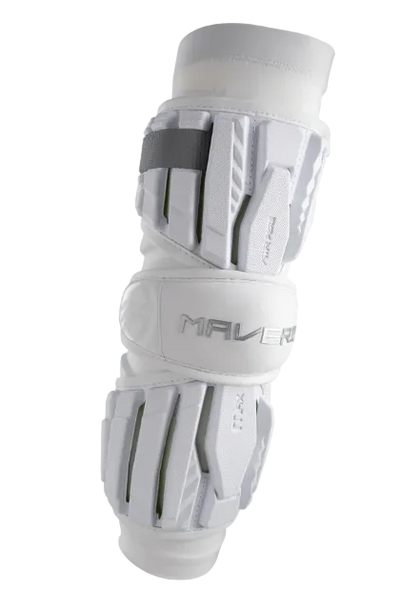
Coach's pick: want the newest pad on the rack? The Maverik Max Arm Guard 2028 is Maverik's latest attack guard, and BattleLax has it in stock.
We may receive a commission if you make a purchase through a link on this page about the newest men's lacrosse elbow pads at no cost to you. This helps us keep this site free & we appreciate your support!
I've put together a list of the newest men's lacrosse elbow pads, built to give you protection, support and freedom to move on the field.
Your arms take more abuse than almost anywhere else. Whether you're an attackman eating slashes on the crease in an upstate New York spring game or a D-middie trading checks in a Virginia Beach summer tournament, the right pad is the difference between shaking it off and sitting out with a bone bruise.
Heads up: BattleLax doesn't stock every pad on this list, and brands have released newer models since some of these came out. When a pad isn't available, I point you to the closest one BattleLax carries, and the 2026 pads section covers the latest drops.
Comparison of the newest men's lacrosse elbow pads
Here's how the newest men's lacrosse elbow pads compare:
"Buy" goes straight to the pad at BattleLax. "Alt" goes to the closest pad BattleLax has in stock.
Newest men's lacrosse elbow pads
Here's my list of the latest lacrosse elbow pads.
1. EvoShield 3-Piece Lacrosse Arm Guards Best custom fit
Best for: Attack / middie · Released: 2023
Lacrosse is a high-impact contact sport. As an attackman, I know how important the right gear is, especially when it comes to protecting your arms when the slashes start flying.
That brings me to the EvoShield 3-Piece Lacrosse Arm Guards. Released in 2023, they're built for top-level middies and attackmen like me.
What I liked most is EvoShield's Gel-to-Shell technology. The first time I slipped them on, they felt soft and comfortable against my skin. Then the Gel-to-Shell kicked in, and the material turned into a custom-fit hard shell that molded to my arm within 30 minutes. It was like they were made for me.
They protected my triceps, elbow and forearm. Even after the shell hardened, I could still move freely and confidently on the field.
Attackmen are going to take hits from bodies and sticks, and this is where the Dispersion Technology helped a lot. The force of the hit spreads across the guard, which cuts down the impact and the sting.
The adjustable straps and breathable Comfort Mesh lining add to the comfort. In the warmer months, the moisture-wicking mesh kept my arms dry, and unlike some pads that slide down again and again, these stayed put thanks to the soft silicone grips.
If you're an attackman or middie who takes it from the sideline to the crease and needs dependable protection, these are worth a look.
BattleLax pick: BattleLax doesn't carry EvoShield. For a premium attack arm guard with big coverage, they stock the Maverik Max Arm Guard 2028 ($134.99).
For beginner to intermediate players looking for mobility and protection, the TRUE Zerolyte arm guards will get it done. Released in 2022 as an upgrade to the Frequency 2 line, they're built for middies and attackmen who need good coverage without giving up movement.
The first thing that caught my eye was the sleek design. Unlike basic arm pads, these look sharp and feel built to last.
When I first wore them, I was impressed by how well they covered my triceps, elbows and forearms while still letting me move freely. The hard-plastic elbow cap adds an extra layer of protection without getting in the way.
TRUE built its HEXASHIELD technology into the high-risk slash zones. I felt firsthand how well they absorbed impact in games, with no serious bruises.
What I liked most was the Microban technology in the TRUE Liner sleeve. It wicks moisture and fights the bacteria and odor that make gear stink. Even after multiple warm-weather games, they stayed odor-free and comfortable.
Dual silicone grip straps keep them secure all game, so I never had to worry about slipping or readjusting. If you want reliable slash protection with comfort and coverage, the Zerolyte is a good option.
BattleLax pick: BattleLax doesn't carry TRUE arm guards. For a mobile, protective pad at a similar level, they stock the Maverik M6 Lacrosse Arm Pads ($79.99).
Building on the success of the Cell V, STX made big improvements with the Cell VI arm guards in 2023. They're aimed at middies and attackmen, but they're flexible enough that I think defenders could benefit too.
In my opinion, the ideal arm pad gives you great protection and a full range of motion. The Cell VI does exactly that, with GeoFlex II padding in the slash zones.
They gave me good coverage on the triceps, elbows and forearms while letting me move without any hitches.
A common problem with hard-plastic elbow caps is that they rub the skin and limit elbow movement. STX avoided that here. I could bend my arm to about 130 degrees without any restriction or discomfort from the cap.
They also come with a breathable full-length Lycra sleeve and a 360+ Strap system for a secure, comfortable fit. I was worried the straps would be too tight on my 11" arm in an adult large, but they fit perfectly without feeling constricting, and they never slipped in games.
They look great too, and the durability backs up the coverage. I'd put them among the best arm pads available.
The Nike Vapor Select arm guards are a top choice for intermediate players. Released in 2023 with a sleek, minimalist design, they're a good fit for attack.
I was drawn right away to the understated but highly functional design. Unlike bulkier options, these stay slim and streamlined while still giving you premium-level protection, and the fit and comfort were right where I'd expect from high-quality guards.
What I liked most was the flexibility. As an attackman or O-middie, freedom of movement is everything for shooting and quick passes. The Stretch Zones give you a flexible fit around the triceps, elbows and forearms without limiting your mobility.
Even with the minimalist design, the padding on the front and sides plus the hard-plastic elbow cap gave me plenty of protection. I could feel slashes, but the impact was minimal.
They have a full-length sleeve and dual straps for adjustment. They were comfortable right out of the box with no break-in, and they stayed in place without sliding down to my wrists.
The one place they could be better is moisture-wicking. Better sweat management would make them more comfortable in warm weather. If you want a minimalist, sleek pad with good impact protection, the Vapor Select is a good option.
BattleLax pick: BattleLax doesn't carry Nike arm guards. For a slim, light arm pad at a great price, they stock the Warrior Evo Rise Arm Pads ($39.99).
Maverik has a habit of staying a step ahead in lacrosse gear. Released in 2024, the Shift arm pads changed how an arm pad can be built. They're ideal for attackmen, but they work for any field position.
I'd used the Shift LAX sleeve before, but it was the new Shift Pin System holding the Anaform padding that impressed me. Maverik ditched the traditional straps for a slide-in system, and it proved more efficient and comfortable.
At first, I wondered how the sleeve would keep the Anaform padding from slipping down. The compression sleeve handled it, keeping the pad locked in place with no slippage. That's the Pin System doing its job.
The comfort and protection beat every other premium arm pad I've used. The sturdy elbow cap and side padding handled slashes well.
I also liked that the sleeve goes over the pad instead of underneath like conventional pads. I wondered how it would handle sweat, but the QuickDry sleeve and the ventilation through the pads took care of that. It felt like a custom-made padded shooting sleeve, with great flexibility and protection.
One thing to know: the pad comes in one size, and only the sleeve size changes. If the Anaform padding doesn't fit your arm well, you may struggle to get the right fit. Even so, I'd put the Shift among the best arm pads out there for how boldly Maverik reworked the design.
Best for: Middie / LSM / D · Released: 2018 (updated 2022)
Nike is known for sturdy designs that are built to be used. First released in 2018 and upgraded in 2022, the Vapor Elite arm pads are widely seen as one of the best options for middies, LSMs and D.
I liked the synthetic leather padding at the stretch zone. In look and performance, it feels like a sturdy, durable pad. Middie and D pads are usually shorter with less coverage, but the Vapor Elite gives you good coverage and protection at the impact zones.
I liked the light, low-profile build too. Even with the solid construction, they don't limit your mobility or skimp on protection.
The full-length compression sleeve breathes well. Sweat didn't build up in the sleeve, and there was plenty of airflow. The dual adjustable straps give you a secure fit without discomfort and keep the pads from sliding down to your wrists.
They were comfortable and reliable all game, and plenty of high school and college players wear them. If you're in the market for durable, low-profile middie and D arm pads, the Vapor Elite should be on your radar.
BattleLax pick: BattleLax doesn't carry Nike arm pads. For a durable, low-profile elbow pad for middies and D, they stock the Warrior Evo V Elbow Pad ($69.99).
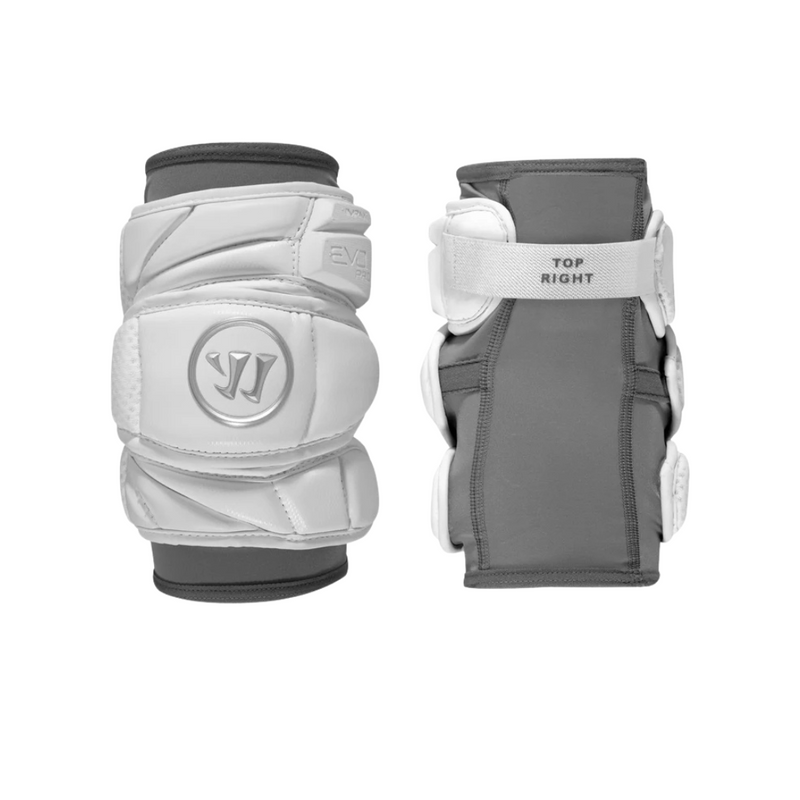
7. Warrior Evo Pro Lacrosse Elbow Pads Best for defense
Best for: Defense · Released: 2020
The Warrior Evo Pro elbow pads are one of the best options for defensemen. Released in 2020, these budget-friendly D pads give you the right amount of protection without getting in the way of your footwork and checks.
I like that Warrior went with a 9-piece CageFLX build instead of the usual 3-piece construction. That opens up your range of motion, and even though D guys usually need less coverage, the 9-piece build still protects well.
The synthetic leather Impax molded-density foam really took the sting out of hits and slashes for me. I liked the construction and durability, and the flexibility was good.
One area that could be better is the elbow itself. The foam gives decent padding, but some players will want a harder plastic cap for slashes. The foam pads are comfortable, but they may not fully take the jolt out of a big hit.
On the plus side, the full-length Lycra WarTech sleeve adds comfort and breathability, moisture management is solid, and the No-Slip Gel keeps the pads in place.
Some players may find them a little shorter than they'd like. Even so, they're some of the best-performing defense elbow pads out there, with good coverage, support and flexibility.
Gear moves fast, and a few of the pads above have already been replaced. If you want the newest pad you can actually order today, these are the latest arm guards and elbow pads BattleLax has on the rack.
What are the key features of the EvoShield 3-Piece Lacrosse Arm Guards?
The EvoShield 3-Piece Lacrosse Arm Guards feature Gel-to-Shell technology that molds to your arm, Dispersion Technology and moisture-wicking Comfort Mesh. They're designed for midfielders and attackmen.
How do the TRUE Zerolyte Arm Guards stand out among lacrosse elbow pads?
The TRUE Zerolyte Arm Guards feature HEXASHIELD technology, the TRUE Liner sleeve and Microban antimicrobial technology. They give you sturdy protection, moisture-wicking and a secure fit for middies and attackmen.
What improvements did STX make with the Cell VI Lacrosse Arm Guards?
STX added GeoFlex II padding, a 360+ Strap system and a breathable Lycra sleeve. The pads give you flexibility, protection and a comfortable fit for middies and attackmen.
What sets the Nike Vapor Select Lacrosse Arm Guards apart?
The Nike Vapor Select has Stretch Zones, dual straps and a sleek design built for attack players. It gives intermediate players flexibility, impact protection and a secure fit.
How does the Maverik Shift Arm Pad change elbow pad design?
The Maverik Shift uses the Shift Pin System and a QuickDry sleeve for a secure, comfortable fit without traditional straps, giving attackmen and other field players flexibility and protection.
What is the newest lacrosse arm guard?
Among the pads BattleLax carries, the Maverik Max Arm Guard 2028 and Max Arm Pad 2028 are the newest from Maverik, alongside the Maverik M7 Arm Pad and the Warrior Evo V Elbow Pad.
Wrap-up
The newest men's lacrosse elbow pads are built to keep up with the modern game while protecting you and letting you move. Invest in the right pair, and you'll have what you need to take the slashes and keep playing your game.
We may receive a commission if you make a purchase through a link on this page about the best lacrosse helmets at no cost to you. This helps us keep this site free & we appreciate your support!
There's a risk of concussion in any game with big body checks, swinging metal sticks and hard rubber balls flying 90+ miles per hour, and lacrosse is no exception.
Of all the equipment lacrosse players are required to wear, the helmet is the most important. It protects your head from fast-moving balls, the accidental slash to the head and the big hit you never saw coming. I've watched it from youth jamborees in Virginia Beach to rec fields in upstate New York: the kid in a helmet that fits right plays braver.
I made this guide to help you find the best lacrosse helmet for yourself or your child so you can stay protected.
Heads up: BattleLax doesn't stock every helmet on this list. When one isn't available, I point you to the closest helmet they do carry.
"Buy" goes straight to the helmet at BattleLax. "Alt" goes to the closest helmet BattleLax has in stock.
Best adult lacrosse helmets (12 years & older)
Adult helmets are usually right for players 12 and older. More specifically, if your head measures over 21.5" around at the forehead, you likely need an adult helmet. Looking for a youth helmet? Jump to the youth picks. If you're a goalie, check out our top picks for the best goalie helmets and throat protectors.
Here are my top picks for the best adult lacrosse helmets:
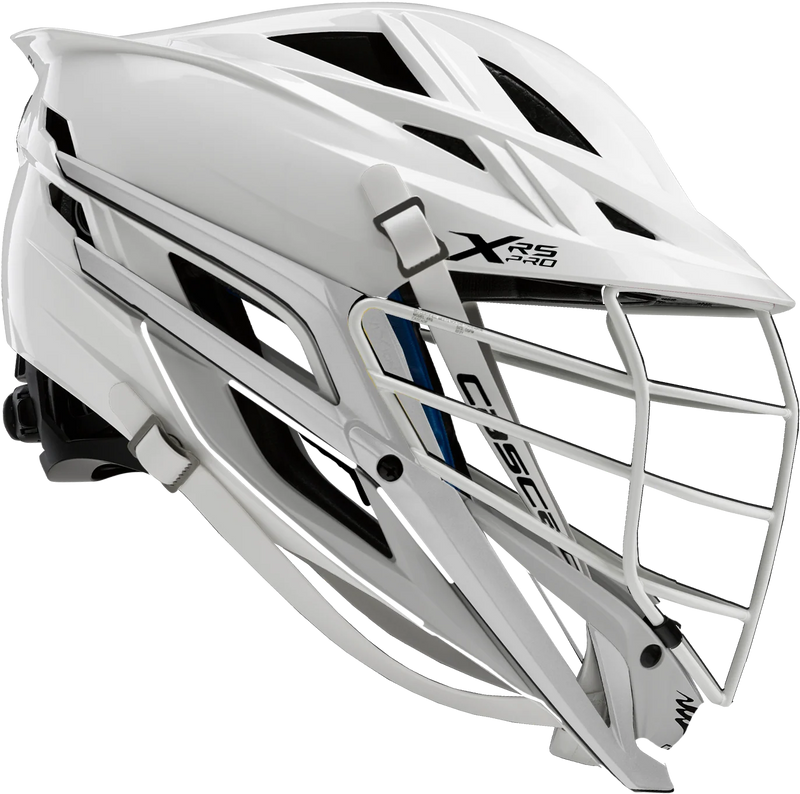
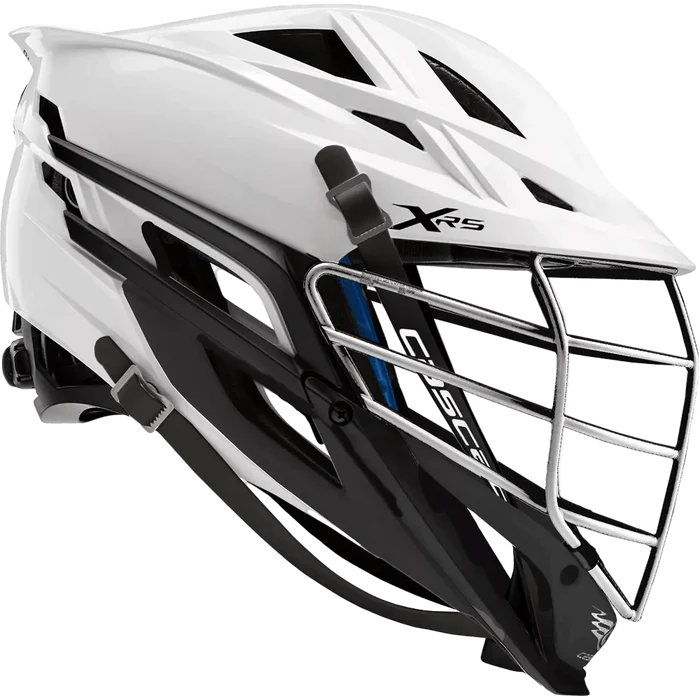
The Cascade XRS Pro isn't an entirely new model. The design is close to the OG XRS, but Cascade flattened the second vision bar, and that gave me even better downward visibility. You see the ball on the ground and your hands in the cradle without dropping your chin.
I loved the softer comfort liner with a mesh layer. It doesn't add protection, but it molds to your head for a comfortable fit with plenty of breathability. The back panel is slightly longer and wraps around the neck for a more secure fit, and the Quick Clip chin strap uses a magnet that's very easy to snap on and off.
Still, it popped open after a hit in a game, so make sure you tighten the straps correctly before the whistle.
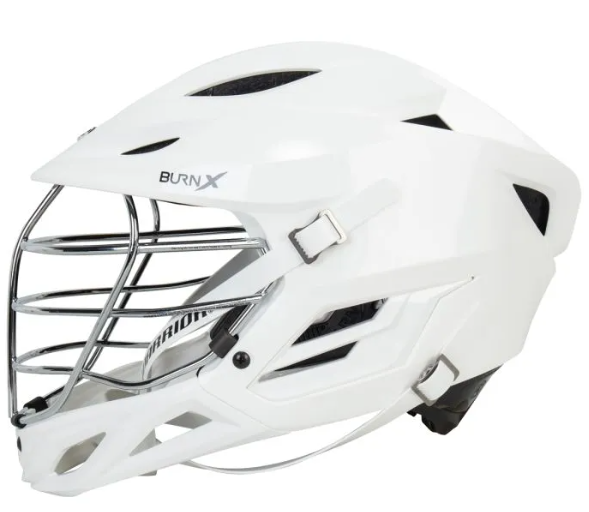
The Warrior Burn X wasn't my favorite at first, but it won me over after a few weeks of use. It's slightly heavy, but I got elite-level protection and barely felt the impact on big hits.
The BOA fit system dials in a comfortable, snug fit, so my helmet rarely moved during games. It does start to feel heavy after a few hours, though.
The ventilation pads inside keep you dry and your head cool. The outer shell is extremely durable, with new back fins and swooping eyelets, and it held up well against stray sticks with minimal wear even after multiple games.
The Cascade R was my go-to helmet for three years. It's comfortable, fits well and offers excellent protection.
It's heavy, and the ventilation isn't as advanced as the S, but I rarely found that to be an issue. The one-piece shell is sturdy and cushioned on the inside, and it kept me safe from head injuries.
Despite the old-school vision bar design, I didn't have major visibility problems. It can slightly block your peripheral vision when you side-glance at your defender while cradling.
It has a roomier fit rather than a snug one, and once the chin strap is adjusted, it's exceptionally comfortable. Newer models bring real improvements, but the R is still one of the best.
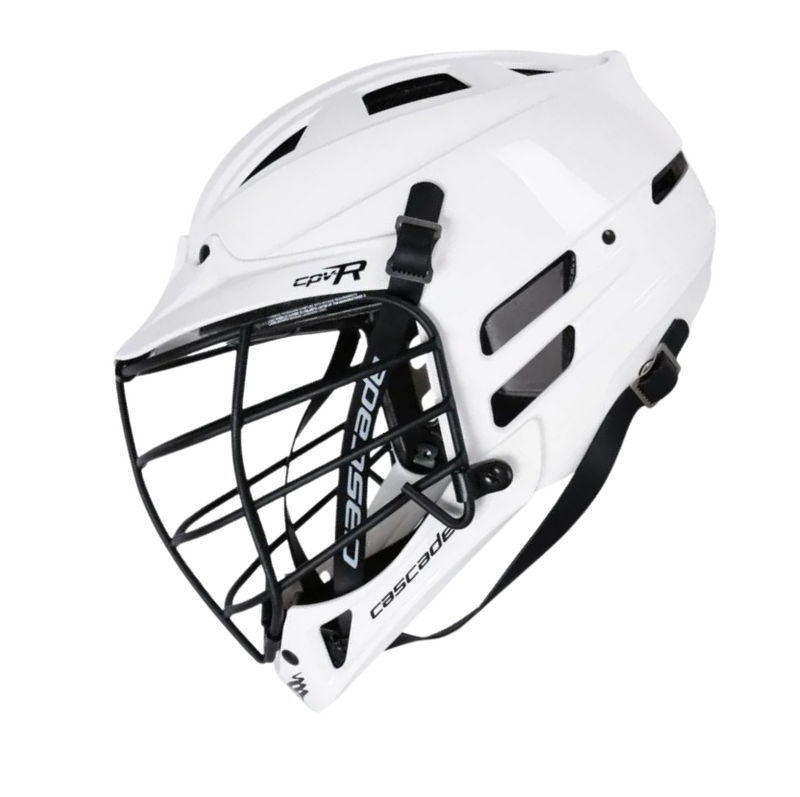
BattleLax pick: BattleLax doesn't carry the original Cascade R right now. The closest helmet they stock is the Cascade CPV-R Lacrosse Helmet ($175.00), which uses the same R-series shell.
The Warrior Evo is one of the best helmets for players with bigger heads. I thought it would shift on lateral head movement, but the chin strap kept it locked in for a great fit.
There's enough space between the bars to track the ball. I didn't like the Warrior straps running diagonally up each side of the head, though. They sometimes got in my line of sight.
It's durable and lightweight. The hard shell layered with soft padding inside doesn't transfer the blow to your dome. It doesn't have the best ventilation, though, and I ran warmer in summer ball than I should have.
BattleLax pick: BattleLax doesn't carry the Warrior Evo helmet right now. If you want a Warrior lid, they stock the Warrior Burn X Lacrosse Helmet ($309.99).
The Cascade CS-R is another lightweight helmet, with an R-series shell upgraded for even better performance. Its freeform padding molds to your head shape for a snug fit. It only comes in one size, though, so some players won't get a perfect fit.
The best thing about the CS-R is how light it is. It doesn't cause neck cramps like the Cascade R. The outer shell is thick, but the venting cutouts give you good airflow and kept my head dry even in the second half.
The front bars are very well designed, and I had better visibility of the field in every direction.
Note: BattleLax sells the CS-R as a youth helmet. If your head measures over 22", look at the CPV-R or one of the adult helmets above.
I've used the Warrior Burn helmet for a year, and it's one of the most stylish helmets in my collection. Its BOA system tightens evenly around the head rather than just at the back, so I got a snug, uniform fit that stays locked in.
The chin strap is soft, flexible and way more comfortable than the glossy, rigid one on the Cascade R. I loved how easily the outer shell spread out impact without the helmet shifting.
The oversized chin piece feels a little out of place, though, and the facemask bars get in the way of peripheral vision more than I'd like.
BattleLax pick: BattleLax doesn't carry the original Warrior Burn right now. Its upgrade, the Warrior Burn X Lacrosse Helmet ($309.99), is in stock.
The Cascade CPV-R is an older model, but it's still one of the best helmets for high school middies. It's one of the lightest R-style shells out there, so it doesn't feel bulky when you're dodging or running in transition.
The SPRfit system lets you fine-tune the fit quickly without messing around with padding. It doesn't lock in as tight as the BOA system on the Warrior Burn, though.
The Chevron mask frames the field well, but the bars felt slightly more restrictive on lateral vision. It also has a FreeFlow venting system that kept my head cool through summer practices.
The Cascade CPV-R Goalie is the most protective helmet on my list for goalies. Its thick outer shell and stiff, durable chin guard kept me safe from high-velocity shots and the unexpected slash in the crease.
The SPRfit adjustable ratchets let you dial in the fit one-handed and lock the helmet in place without any annoying shifting. The EPP liner is very snug, though, so if you like a roomier fit, size up.
FreeFlow venting kept me cool even in long, fast-paced games, but the CPV-R doesn't have a dedicated moisture-wicking liner for summer ball. The Chevron mask gave me a clearer view of ground balls and passing lanes.
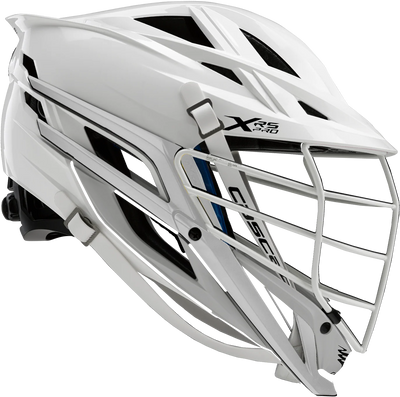
Cascade released the XRS in 2021, just in time for NCAA Championship Weekend, and it was Cascade's most protective and comfortable helmet at the time. It has since been followed by the XRS Pro.
It uses a tri-liner system to handle different kinds of impacts, and a Double Jaw Deflection system gives you more protection than previous models along with better ventilation to keep you cool.
Beyond the protection and comfort, the XRS improves on the S with better visibility. Cascade's VISION system opens up your peripheral vision, and the Power-Pressed vision bar shrinks the top of the face mask without giving up rigidity.
Overall, the XRS is still a great helmet. If you want the latest version, go with the XRS Pro.
BattleLax pick: BattleLax doesn't carry the original XRS anymore. Its successor, the Cascade XRS Pro Lacrosse Helmet ($339.99), is in stock.
Even with the XRS out since 2021, the Cascade S is still a solid option.
It uses a tri-liner system with the Supermono S shell to absorb different types of impacts in different spots, so you stay protected no matter what happens on the field.
It's also extremely comfortable and looks great. The tri-liner and multiple vent ports keep it breathable, so your head stays cool on the hottest days. The HardTail SPRfit lets you adjust it to fit your noggin perfectly.
BattleLax pick: BattleLax doesn't carry the Cascade S right now. The Cascade SL Lacrosse Helmet ($279.99) is the closest helmet they stock, with the same fit as Cascade's top design.
The Cascade XRS Youth is another stylish helmet, built for young players. The tri-liner system absorbed impacts well and gives your kid the confidence that it can handle tough hits.
The soft padding inside soaks up a big part of the impact, so it delivers high-level protection while staying lightweight.
The outer shell is extremely sturdy against rough use, and the low-profile design with plenty of cutouts gives enough airflow to keep their head dry.
The chin strap adjusts the fit, but it loosens after a while, so check it before games. Otherwise, it's very durable.
Cascade has owned the helmet market for years, but STX is making a serious push with the Rival Jr. It has some of the best airflow out there, with cutouts and a sweat-absorbing liner that keep the head cool.
Instead of messing with extra padding, STX built in a pump system from Schutt. It tightens evenly around your head when you pump it and loosens when you release the air.
It gives a snug feel without being uncomfortable, and the helmet doesn't wobble on quick cuts or sharp head movements. Tilt and vision were solid too, with the facemask set so the sightlines felt natural.
BattleLax pick: BattleLax doesn't carry the STX Rival Jr. For a youth helmet in stock, go with the Cascade CS-R Youth Lacrosse Helmet ($129.99).
I haven't bought a CS-R Youth myself, but it's been a favorite with young players for the past couple of years. Even my nephew won't trade his in for the upgraded version.
The EPP liner with Poron XRD foam absorbs impact well, and the memory foam sides give an excellent fit. The Velcro system loosens over time, but it's very easy to adjust.
It's one size, but the Velcro strap cuts down on helmet shifting during games. The three-bar front cage gives better visibility, and the cutouts on the top and back of the shell let in plenty of air.
The Cascade S makes the youth list for many of the same reasons it made the adult list. It has the same shape, design and safety features.
It uses a tri-liner system with the Supermono S shell to absorb different types of impacts in different spots, so your child stays protected no matter what happens on the field.
It's extremely comfortable and looks great too. The tri-liner and XFLO vent ports keep it breathable on the hottest days, and the HardTail SPRfit lets you adjust it to fit your child's head perfectly.
BattleLax pick: BattleLax doesn't carry the Cascade S Youth right now. The Cascade XRS Youth Helmet ($270.00) is the step-up youth helmet they stock.
The Cascade CPV-R is the next helmet to consider for youth players. What makes it great is that it costs much less than the Cascade S but still meets all the safety standards.
It comes in four sizes, from XXS up to M/L, so there's an option that fits your child's head, and Cascade's SPRfit ratchet lets you change the fit as they grow.
The EPP liner and R-series shell protect your child's head while keeping the helmet as comfortable as possible.
If you don't want a Cascade, the Warrior Burn Jr, built for players under 12, is a decent alternative.
It has an energy-absorbing vinyl nitrile foam liner plus an expanded polypropylene liner to handle impacts. Pull-tab attachments let you adjust the fit as your player gets older.
Like the others on this list, it meets NOCSAE standards and is SEI certified, so you can rest easy knowing your child is protected.
BattleLax pick: BattleLax doesn't carry the Warrior Burn Jr. A youth helmet they do stock is the Cascade CS-R Youth Lacrosse Helmet ($129.99).
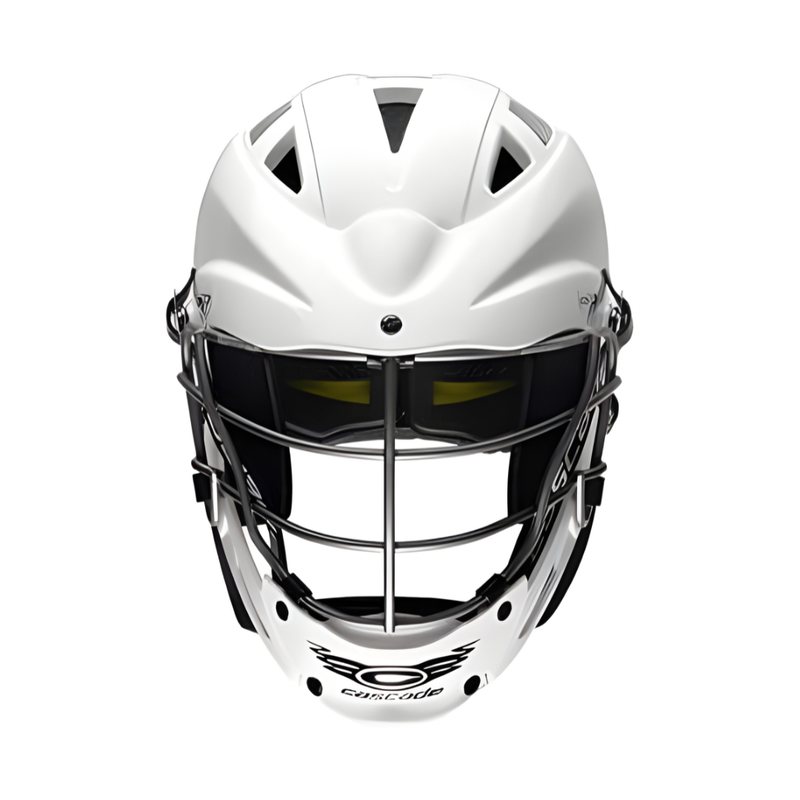
Want a lid you can order today? These are the helmets from this list, and the closest matches, that BattleLax carries right now. They also do custom-colored XRS Pro helmets for teams and clubs.
Here's what to think about when you're picking a helmet for yourself or your child.
1. Safety
First and foremost, you want a helmet that's safe. That's what matters most. If your kid isn't safe, comfort and style don't matter.
How do you tell if a helmet is safe? The easiest way is to check that it meets the standards set by the National Operating Committee on Standards for Athletic Equipment (NOCSAE) and is certified by the Safety Equipment Institute (SEI).
I'd be surprised if any new helmet released today didn't meet these standards. An older helmet can fall out of compliance when the standards are updated, but generally, every helmet on the market today should meet them.
You can also read customer reviews to see if players have had issues with helmets breaking or hurting, which I did to build the list above.
2. Size
Make sure you order the correct size. There are generally two sizes: youth and adult. Youth sizes are usually for players around 12 and under, and adult helmets are for older players.
Beyond comfort, the right size is crucial for safety. If your helmet is too tight or too loose, it won't absorb and spread out hits correctly, and that can lead to injury.
If you're not sure which size makes sense, measure your head or your child's. Most helmet brands have sizing charts that match your head circumference to the right size. You can also stop by your local lacrosse shop or try on teammates' helmets to see what fits best.
3. Comfort
Not everyone finds lacrosse helmets "comfortable," but yours shouldn't cause you any pain.
If it's too tight, use the adjustment system (usually on the back of the helmet) or adjust the chin strap to loosen it up, and do the opposite if it's too loose.
Some helmets are more comfortable than others simply because they fit your head shape better. That's another good reason to try on a few models before you buy.
4. Vision
Good vision out of your helmet is also very important. Most helmets have a similar shape, but the shells and facemasks vary slightly from model to model, and that can affect how well you see.
Putting on a helmet shouldn't dramatically cut down your field of vision, especially since most don't block much of your peripheral vision.
5. Weight
If you're comparing helmets that meet all the safety standards and seem equally safe otherwise, it can pay to choose the lighter one.
A lighter helmet helps you play faster, both in your running speed and in how quickly you can turn your head to react to passes and checks.
6. Colors
Many teams have specific helmet colors that players are supposed to wear. Before you buy, check whether your team provides helmets or wants players to buy certain colors.
If your club needs matching lids, BattleLax builds custom-colored Cascade XRS Pro helmets for teams. If colors don't matter as much, a stock white helmet is usually the fastest and cheapest way to go.
Parts of a lacrosse helmet
I thought it would help to put together a diagram of the different helmet parts. The terminology is pretty consistent across brands.
(And yes, that's me in the picture.)
Shell
The shell makes up most of the helmet's outer layer. It's usually hard plastic, with liners inside that keep your head safe and comfortable.
Visor
The visor is like an extension of the shell that covers your forehead. Some helmets use a separate piece of plastic for the visor, while on others it's continuous with the shell.
Chin
The chin, as the name suggests, covers your chin. It's usually made of a similar material to the shell and visor but may be a different color.
Facemask
The facemask is usually metal and covers your (you guessed it!) face.
The facemask can have a big impact on your visibility. If the horizontal bar lines up with your eyes when you're wearing the helmet properly, you may have trouble seeing. Try tilting the helmet up or down a bit, but make sure it still fits properly so you aren't risking injury.
Chin strap
The bottom of the chin strap covers your chin, and the straps on each side run up the helmet and connect to the shell to keep it secure. There are two straps per side: one connects around the temple, and the other connects around the base of the shell toward the back.
Make sure the chin strap is tight enough that your helmet doesn't move around on its own. If you grab a player's facemask and move it side to side or up and down, the helmet shouldn't move all over while the head stays still. It also shouldn't be so tight that the helmet hurts. Worn-out strap? BattleLax sells a replacement Cascade chin strap ($9.99).
Mouthpiece
It's not technically part of the helmet, but most players also wear a mouthpiece, either strapped to the facemask or just in the mouth. Check your league's rules to see if a strap is required. My state, for example, required one for high school players.
Many players boil their mouthpieces to mold them to their teeth. That makes the mouthpiece more comfortable, so players are more likely to actually wear it, and it also makes it safer.
How we rate lacrosse helmets
We take our ratings seriously and only recommend products we'd use ourselves. To come up with each rating, we test the product ourselves whenever possible, review the specs (weight, protection features and more), and read customer reviews and talk to players we know who use it.
With helmets, we mainly test for comfort and fit with our staff and our staff's friends, and we only recommend helmets that meet the current NOCSAE standard. When we can't test a helmet extensively ourselves, we spend extra time talking to real customers who've worn it for a while.
If you have feedback on any helmet on this page or a helmet you think we should add, let us know.
People also ask
What is the best lacrosse helmet?
Our top pick is the Cascade XRS Pro. It builds on the XRS with a flatter second vision bar for better downward visibility, a softer mesh comfort liner and a magnetic Quick Clip chin strap. The Warrior Burn X is our pick for the most protective helmet.
What size lacrosse helmet do I need?
If your head measures over 21.5" around at the forehead, you likely need an adult helmet. Youth helmets are usually for players under 12 or with a head circumference of 22" or less. Always check the brand's sizing chart.
When should I replace my lacrosse helmet?
Replace it if the shell cracks, the padding breaks down, it no longer fits snugly, or it no longer meets the current NOCSAE standard. If a helmet ever causes you pain or breaks, stop using it right away.
Do lacrosse goalies need a different helmet?
Goalies can wear a goalie-specific helmet like the Cascade CPV-R Goalie, or a standard helmet paired with a throat guard. Either way, a throat guard is a must in the crease.
Tying it together
I hope this guide helped you find a lacrosse helmet that works for you. The most important thing is to pick a helmet that's safe and comfortable. If your helmet ever causes you pain or breaks, stop using it right away and either get it adjusted or find a new one.
If you're looking to take your game to the next level, check out some of our other guides:
We may receive a commission if you make a purchase through a link on this page about the best lacrosse gloves at no cost to you. This helps us keep this site free & we appreciate your support!
Your gloves are one of the most important pieces of gear you wear on the field.
Beyond the look, gloves connect you to your stick and protect the part of your body that gets checked the most. They also decide how well you can feel your stick, and that has a big impact on how you play. Ask any attackman who's eaten a slash on the bottom hand in a March game in upstate New York.
This guide breaks down the best lacrosse gloves out there and gives you some tips on finding the right pair.
A good glove comes down to protection, mobility and feel. Like all the gear we cover, we researched the glove market to find the pairs that balance those best, weighing player reviews, manufacturer specs, cost, brand track record and more.
Heads up: BattleLax doesn't stock every glove on this list. When one isn't available, I point you to a comparable glove they do carry.
"Buy" goes straight to the glove at BattleLax. "Alt" goes to a comparable glove BattleLax has in stock.
Best player gloves
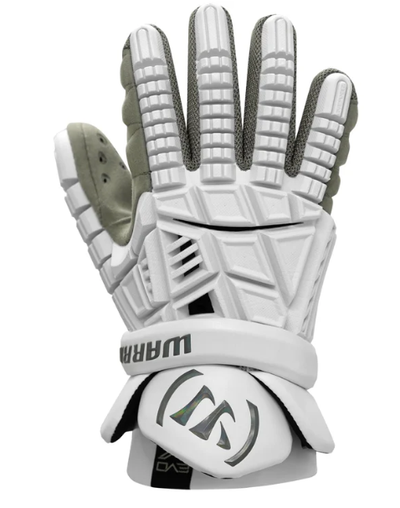
1. Warrior Evo V Lacrosse Gloves Top pick
[wpdatatable id=480]
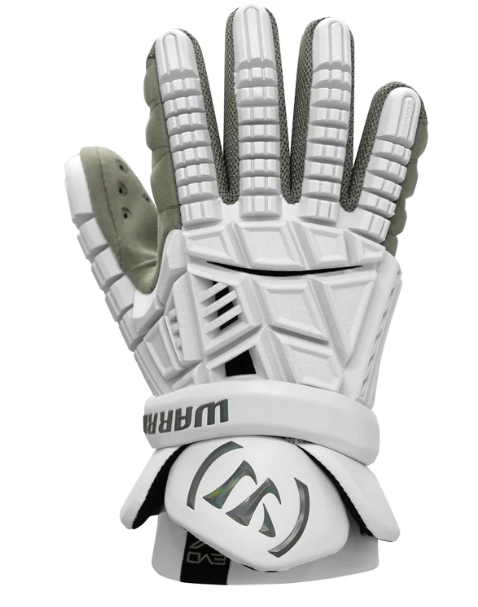
The Evo V is Warrior's newest glove, loaded with the most advanced tech Warrior has put in a glove. It's extremely flexible and needs no break-in. It felt really snug around the palm, but the Ax pseudo-suede palm gives you a great grip.
I've used its predecessor with 7 finger breaks, and the Evo V's 9 sections give you even more mobility. I could bend my fingers forward and back without feeling restricted.
The Maverik Shift runs its finger breaks in a straighter line, while the Evo V breaks them up on a diagonal. That also improves ventilation, so your hands don't cook in practice. The finger vents and Wartech liner wick away sweat and kept my hands drier than I expected for such a snug glove.
The cuff felt too thick and added weight. The protection is solid, but at about 7 oz, it won't suit you if you like a lighter glove.
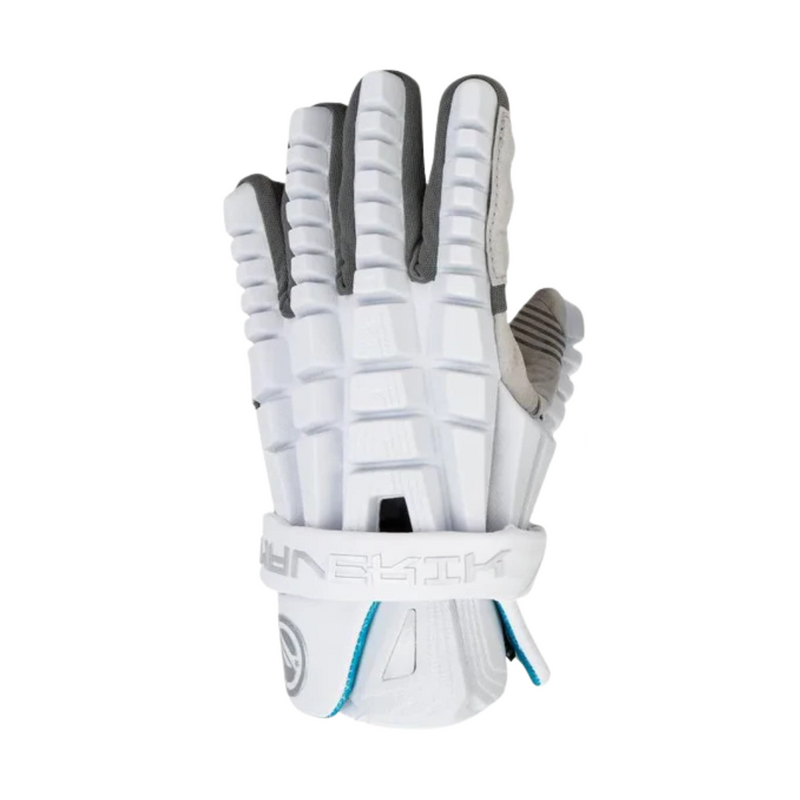
The Maverik Shift is the glove for players who want the flexibility of the Evo V but find it too heavy. It weighs 4.8 oz and uses a Power Flex design with thicker finger breaks that extend onto the back of the hand.
The textured Connekt Palm keeps your control in wet weather, and FlowCool technology keeps your hands dry over long sessions. The fully open cuff maximizes flexibility, but I'd rather have a Velcro adjustment.
The wrist area is light on protection, but I like how well these absorb shock. I took some aggressive checks, and the padding soaked up the impact without feeling bulky. The fit stayed secure during quick movements too.
Next up is the Nike Vapor Elite, an attackman's favorite. I love how secure they feel around the fingers, and they give you great stick control when you're dodging or handling under pressure.
The 4-piece cuff is flexible enough for clean wrist movement on quick feeds and shots without feeling loose. Nike kept the padding low-profile but protective. I barely felt slashes on the backhand, and the wrist coverage held up on checks.
The AX Suede palm is soft and gave me a consistent grip even when my shaft got slick in the rain. The break-in took longer than I expected, though, and the ventilation wasn't what you'd expect from Nike.
Pros
Snug, responsive fit
Highly protective padding
Unrestricted wrist mobility
Lightweight and durable
Cons
Long break-in period
Lacks breathability
BattleLax pick: BattleLax doesn't carry the Nike Vapor Elite Lacrosse Gloves right now. A comparable glove in stock is the Maverik M7 Player Glove ($149.99).
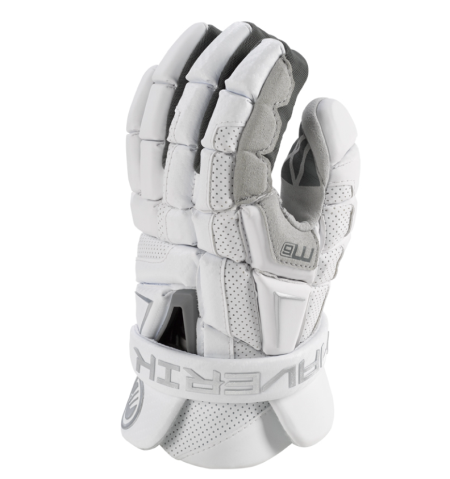
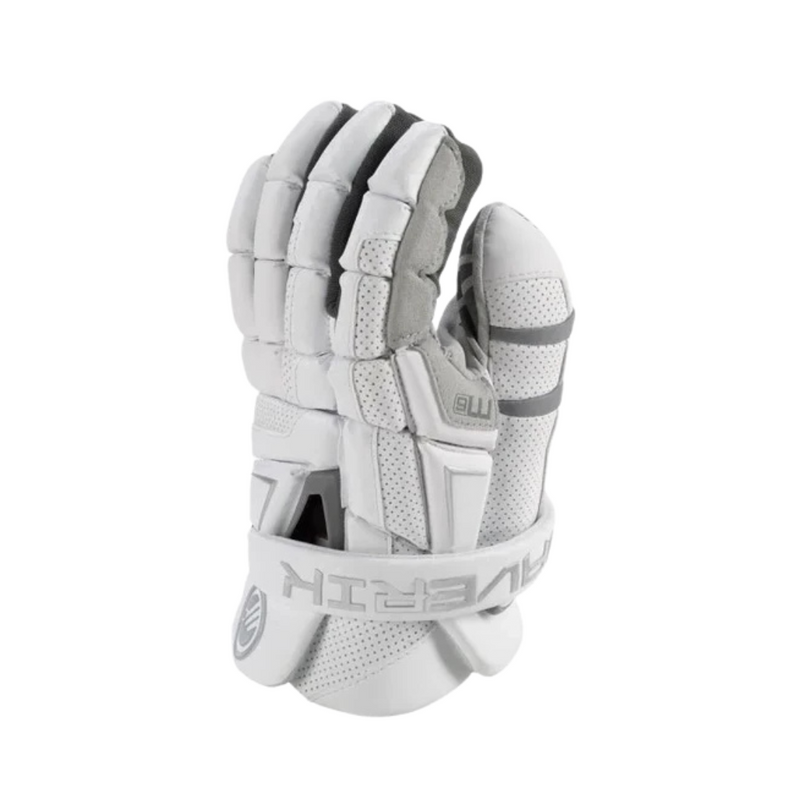
The Maverik M6 feels broken in from the first game. It has a traditional fit that balances protection and mobility, and the padding flexes naturally, so your hands move freely while still absorbing checks.
The Connekt palm gives you good stick control, though I'd have liked a little more grip in wet weather, like the Nike Vapor Elite. They were also tight on my hands since there's no 14", but they're a good fit for smaller hands.
The backhand has a big open vent you can see through. It moves air and keeps your hands from sweating on hot summer days, and perforations in the palm stop sweat from pooling so the glove doesn't get clammy mid-game.
The Warrior Burn gloves were the most comfortable ones I wore last year. The wrist cuff is very adjustable without Velcro or cords. It shifts a little on quick movements, but the easy fit gives you wrist protection with unrestricted mobility.
The Bone System padding is surprisingly soft on the inside. My hands stayed relaxed without that pinched feeling you get from bulky gloves, and it spreads out the force of slashes and checks so very little reaches your hand.
Breathable mesh on the sides of the fingers and palm keeps air moving without hurting your grip. The AX Suede palm gave me a smooth stick feel and stayed scuff-free despite rough use.
The Nike Vapor LT is a more affordable, beginner-friendly version of the Vapor Elite. It didn't weigh my hands down, and I liked how light it felt cradling and passing.
The backhand padding is thinner than the Elite's, so it isn't built for heavy slashes like high-end gloves, but it still absorbs impact decently.
The palm isn't as grippy as standard AX Suede, but I still had tacky stick control in transition. There's no adjustable strap, but it felt secure without being restrictive.
Ventilation was better than I expected for an entry-level glove, and small perforations in the palm kept my hands from getting too sweaty. It's one of the best beginner gloves, with solid protection and a light build.
Pros
Light and easy to break in
Good flexibility for an entry-level glove
Simple, non-restrictive cuff
Cons
Thinner padding
BattleLax pick: BattleLax doesn't carry the Nike Vapor LT Lacrosse Gloves right now. A comparable glove in stock is the Warrior Evo Rise Glove ($64.99).
I practiced with the STX LZR for two months and found it very durable. The AX Suede palm liner kept me comfortable and sweat-free in hot weather, and the double-layer palm holds up to repeated contact.
I'd worn the RZR2, so I bought a medium, which was true to size. The glove didn't need constant adjusting, even with quick hand shifts on the stick.
The flexible rounded thumb with padded skeletal cuts adds security on checks and loose-ball scrambles, and I didn't feel the hits. The back-of-hand design is genius, with skeleton-like finger breaks. STX cut out extra stitching to make a light, frictionless glove that moves like your own hand.
The wrist cuff was a little stiff at first and limited my wrist mobility, but it loosened up after a few games, and the wrist strap helps. Despite the break-in, it's a great men's glove with excellent protection, flexibility and comfort.
Pros
Good protection
Durable palm layer
Finger design for better flexibility
Cons
Stiff wrist cuff at first
Limited wrist mobility until broken in
BattleLax pick: BattleLax doesn't carry the STX LZR Lacrosse Gloves right now. A comparable glove in stock is the Warrior Evo Lite Glove ($109.99).
I wore the Under Armour Command Pro 3 last summer, and it offers some of the best protection from checks I've had. The flared cuffs and suspension padding did a great job keeping my wrists safe.
It gives you a good range of motion, especially cradling in traffic, and the flexible rounded thumb with a PE board helped a lot there. It didn't shift, so I felt confident making sharp cuts.
The padding on the back of the hand and wrist disperses impact well, so it never felt like I was taking a direct hit. The dorsal vent keeps air flowing to keep your hands dry in summer.
The AX Suede palm started to wear after a few months with a rough-gripped stick, and I could feel the shaft texture through it. If you want a well-lined palm, look elsewhere. Otherwise, it's a great glove for protection with a flexible backhand.
Pros
Great fit
High shock absorption
Better wrist mobility
Light and flexible
Cons
Palm started to wear after 6 months
BattleLax pick: BattleLax doesn't carry the Under Armour Command Pro 3 Lacrosse Gloves right now. A comparable glove in stock is the Warrior Franchise LT Glove ($99.99).
The STX Cell VI is a big upgrade over the Cell V. I loved how flexible it is, even though it's heavier than the STX Surgeon RZR. It also broke in faster than the Cell V, which felt stiffer in the fingers.
The biggest difference for me is flexibility. The updated finger joints gave me a firm grip and easy cradling at different wrist angles, and the IsoFlex thumb keeps your grip consistent.
GeoFlex II padding feels built for power players. It's a flexible shield that doesn't cost you mobility, which helps when you're dodging and taking checks on the run. It also protects the thumb and backhand better than the Surgeon RZR, though the extra padding adds a bit of bulk.
The dual ventilation system kept my hands cool even on hot days. My buddies loved the Guard Lock strap for holding your mouthguard off the field too. At 6.8 oz, it's not light, but it delivers elite protection and comfort.
Pros
Great impact absorption
Padded finger joints for mobility
Sweat-absorbing tech
Guard Lock mouthguard strap
Cons
Bulky design
Expensive
BattleLax pick: BattleLax doesn't carry the STX Cell VI Lacrosse Gloves right now. A comparable glove in stock is the Adrenaline Phoenix 2.0 Glove ($164.99).
The Epoch Integra Select II is one of the best gloves I tried this year. Its dual-density foam stacks are firm enough to absorb checks and slashes, especially on the backhand and fingers.
A carbon fiber-supported thumb adds protection against that stinger after a good thumb hit. The hard carbon surface spreads out the force but still lets you move freely.
The one-piece AX Suede palm is soft and grips well, and I haven't seen any wear after lots of use. It runs a little warm in long practices compared to better-ventilated gloves.
The extended cuff protects your wrist and forearm, but it's bulkier than other gloves at this price and slowed me down until I got used to it. It's also a little loose at the wrist even with the strap, so if you want a tighter fit, go with something snugger like the STX Cell VI.
Pros
Padded protection from slashes
Great thumb protection
Comfortable fit
One-piece palm for better grip
Cons
Heavy
Loose around the wrist
Runs warm
BattleLax pick: BattleLax doesn't carry the Epoch Integra Select II Lacrosse Gloves right now. A comparable glove in stock is the Warrior Evo Lite Glove ($109.99).
The STX Surgeon RZR2 is the updated version of the Surgeon RZR, which used to top our list.
It literally breaks the mold by cutting out the bulk of traditional gloves with a single, continuous-piece design. That makes it light (possibly the lightest glove on the market) and flexible.
The Taper Fit through the fingers gives you a snug feel without hurting breathability, and the AX Suede palm has the best feel of any glove I've tried. Nothing feels as good as bare hands, but the RZR2 comes close.
It doesn't skimp on protection either. Reinforcement on the thumb and backhand protects you from slashes. The only real downside is the price. It's expensive, but worth it if you can afford it.
Pros
Superior comfort
Light and flexible
Very protective
Great stick feel
Cons
Expensive
Limited long-term durability feedback
BattleLax pick: BattleLax doesn't carry the STX Surgeon RZR2 Glove right now. A comparable glove in stock is the Maverik M7 Player Glove ($149.99).
The Maverik M5 came out in 2021 to replace one of the most popular gloves in recent memory, the M4, and it builds on everything players loved about it.
FlowCool venting and a quick-dry liner keep your hands dry and comfortable, which is huge when you're playing into the dog days of summer. The AX Suede palm is soft and holds up over time, and the mesh lets air in.
Unlike some gloves, the M5 has an adjustable cuff so you can control the fit.
The downside is a tighter fit. I usually wear a 13" and I'm comfortable in most, but the M5 runs tight. If most 13" gloves already feel tight, or you wear a 14", look elsewhere. Maverik has since replaced the M5 with the M6.
Pros
Superior ventilation
Comfortable palm
Adjustable wrist fit
Affordable for a high-end glove
Cons
Tighter fit
Replaced by the M6
BattleLax pick: BattleLax doesn't carry the Maverik M5 Glove right now. A comparable glove in stock is the Maverik M6 Player Glove ($115.99).
The stripped-down, no-frills Warrior Evo QX2 gives you great feel and great protection.
It improves on the original Evo QX with an AX Suede liner, the same as the STX Surgeon RZR2, for unmatched stick feel.
The Cloud Cuff gives you great wrist mobility for checking, dodging and shooting. High-density foam placed at key impact areas keeps it light without giving up protection, and the Wartech liner wicks away sweat if your palms get sweaty.
The only knocks have nothing to do with how it plays: there aren't many color options, so if you like a certain look, you're limited. If you want a glove that performs and protects without a flashy exterior, the Evo QX2 is a great fit.
Pros
AX Suede palm
Great wrist mobility
Extra protection in vulnerable spots
Cons
Few customer reviews
Limited color options
BattleLax pick: BattleLax doesn't carry the Warrior Evo QX2 Glove right now. A comparable glove in stock is the Warrior Evo Lite Glove ($109.99).
The Max in Maverik's glove stands for maximum protection, and that's exactly what you get.
The newer models added extra divots in the knuckles for more flexibility. Triple-density foam with SharkGel inserts at high-impact areas gives you unmatched protection on the thumb and backhand, and the DuraStretch design keeps the fingers flexible.
The magnetic cuff is a highlight. You can adjust the fit for more protection or more mobility, depending on your game.
Older Max gloves had some durability and feel issues, but the newer versions are much better, and the AX Suede liner gives you an almost bare-hand feel. BattleLax carries the latest Max 2028 Player Glove. It's a great option if you want maximum protection with good feel.
You might think of Epoch as an indie brand when it comes to equipment, but the Integra Elite is punching way above its weight class.
Players rate it highly across the board, with bonus points for comfort and flexibility. Ariaprene gives the glove a natural, toned-down feel, and the composite and foam build gives you great mobility.
Epoch's Player Core Control shows up here too, fighting moisture and odor. And if gloves have a mortal enemy, it's the smell.
I had to stretch to find a con. The muted color options are the most obvious one. It uses a traditional suede palm, but Epoch eliminated stitching and seams to improve your connection to the stick. If you want top-of-the-line protection and feel at a better price, it's a great value.
Pros
Natural, light feel
Advanced flexibility
Odor protection
Cons
Muted color options
Traditional suede palm
BattleLax pick: BattleLax doesn't carry the Epoch Integra Elite Glove right now. A comparable glove in stock is the Adrenaline Phoenix 2.0 Glove ($164.99).
Epoch makes the list again with an even more affordable glove, the Integra Select.
It uses a lot of the same tech as the Elite but tones down some materials to cut costs. Like the Elite, it uses dual-density foam for top-of-the-line protection without sacrificing flexibility or adding weight.
Feedback on durability is mixed, but it leans positive. The muted colors are a knock again, and some reviews say it runs small, so keep that in mind.
As the most affordable glove on this list, the Integra Select is cheap in price, not quality. It's a great pick for players on a tight budget or just getting into the game.
Pros
Affordable
Flexible and comfortable
Durable
Light feel
Cons
Muted color options
Runs small
BattleLax pick: BattleLax doesn't carry the Epoch Integra Select Gloves right now. A comparable glove in stock is the Maverik Charger Glove 2026 ($49.99).
Goalies need a glove built around the thumb. These five protect against hard outside shots while keeping your hands quick.
17. Maverik Shift Goalie Gloves Top goalie pick
[wpdatatable id=500]
The Maverik Shift goalie gloves strike a smart balance of flexibility and protection. The TorqueLoc 2 thumb absorbs high-velocity shots and prevents hyperextension on hard outside rips.
Unlike bulkier goalie gloves, the Power Flex design keeps your hands quick and reactive. It was easier to clamp down on rebounds and adjust mid-save.
FlowCool kept my hands from overheating in long games, and the removable wrist gives you a choice between more mobility or more protection. I'd have liked some venting on the back of the hand like the Nike Prime Elite.
I loved the grip on outlet passes thanks to the Connekt Palm, and there was minimal wear despite lots of rough use.
My teammate in goal used the Nike Prime Elite goalie gloves for two seasons and got amazing thumb protection from the full-coverage thumb guard. It has one of the biggest thumbs on the market, right up there with the Maverik M6. It felt stiff in the first few games, though.
They're light and well-ventilated thanks to Dri-FIT, but if your hands naturally sweat, they'll get warm in extreme heat.
The suede palm gives you a strong grip on the stick, and the flex joint in the thumb helps mobility. The loose cuff allows easy wrist movement for quick reactions and clearing passes. After a season, there was some wear in high-friction spots like the side of the index finger and thumb.
Pros
Well-protected thumb guard
Flexible fingers
Comfortable, slip-free grip
Cons
Slightly loose fit
Less durable than other premium gloves
BattleLax pick: BattleLax doesn't carry the Nike Prime Elite Goalie Gloves right now. A comparable glove in stock is the Warrior Nemesis QS Goalie Gloves ($199.99).
Compared to the RZR2 goalie gloves, the STX Cell VI is a little heavier at 6.8 oz. It's still one of the best goalie gloves for anyone who doesn't like the RZR2's external thumb guard.
The new LOCK BOX thumb guard gives you a locked-in thumb with solid protection, so it's easier to keep control of your stick.
The dual ventilation system improves airflow and cuts down sweat outdoors, and the C3 cuff system doesn't restrict your wrist when you twist for quick reactions.
They feel stiff, though. I've used them for a season and the stiffness hasn't gone away, so I wouldn't recommend them if you want a traditional flexible feel.
Pros
LOCK BOX thumb guard
C3 cuff allows free wrist movement
Durable build
Vented palm
Cons
Slightly heavy
Stiff and slow to break in
BattleLax pick: BattleLax doesn't carry the STX Cell VI Goalie Gloves right now. A comparable glove in stock is the Maverik Max Goalie Gloves 2028 ($189.99).
Most brands have their own reinforced thumb, but Maverik's Torque Lock system is one of my favorites. It's a hard shell that fully wraps the thumb with two flex points, so you get better movement without giving up protection.
Maverik's Anaform ridges mold into one piece over the fingers to spread out the force. Even with an open-palm grip, I felt protected from shots at every angle.
The heavy padding makes it less suited to beginners, since it lacks a natural flex and light feel. It breathes better than the Shift, though, with mesh sections and a quick-dry liner that handle heat and sweat. It's a well-protected option for elite goalies.
STX designed the RZR2 goalie gloves to cut down that usual restrictive feel while giving you the flexibility to react quickly.
It has a stiff articulated thumb with extra padding that absorbs impact well, though it doesn't lock your thumb in place like older designs.
Gloves are usually done once the internal plastic thumb piece breaks. Here, the external thumb piece is more durable and gives you extra lateral coverage against missed shots.
The tapered fit and comfortable palm feel snug, and they didn't feel bulky even when I was cradling outside the crease. If you play goalie one half and run the field the next, you won't need another pair.
Pros
Layered cuff for wrist mobility
Vented AX Suede palm
Flexible, durable thumb piece
Taper fit that molds to your hand
Cons
Pricey at around $190
Thumb takes time to break in
Can squeak a little
BattleLax pick: BattleLax doesn't carry the STX Surgeon RZR2 Goalie Gloves right now. A comparable glove in stock is the Maverik M7 Goalie Glove ($149.99).
Adult sizing starts around 12", so getting youth sizing right is critical for any young laxer getting into the game.
Youth gloves usually strip back some protection that isn't needed at the younger levels in favor of flexibility and mobility. That matters when kids are just learning to cradle and throw.
Most players move from youth to adult gloves around age 11, or when their hand measures about 7" from the bottom of the palm to the tip of the middle finger. Don't buy gloves a size too big so they'll grow into them. It'll hold back their performance and development.
22. Maverik MX Glove Top youth pick
[wpdatatable id=505]
The Maverik MX has a traditional design that helps young players get used to the feel of a real glove. It uses some of the tech from Maverik's adult gloves to protect the key impact zones, and because it mirrors the adult Max and M-series so closely, moving up to adult sizes won't feel like a big jump.
For how stripped-down Epoch's adult gloves are, the iD JR has a clunkier, more traditional design without the paneling of their higher-end gloves. It's functional rather than innovative, but it's durable, protective and very affordable, which makes it a great first glove.
Pros
Durable and protective
Very affordable
Cons
Clunkier, traditional design
BattleLax pick: BattleLax doesn't carry the Epoch iD JR Glove right now. A comparable glove in stock is the Maverik Charger Glove 2026 ($49.99).
The Burn Next Jr is a throwback to Warrior's older youth gloves. It's bare bones, with solid protection and none of the frills of high-end gloves. There's no cuff or strap to adjust the wrist fit, so keep that in mind, but it's an ultra-affordable entry-level glove.
Pros
Ultra affordable
Solid basic protection
Cons
No wrist adjustment
BattleLax pick: BattleLax doesn't carry the Warrior Burn Next Jr Glove right now. A comparable glove in stock is the Warrior Evo Rise Glove ($64.99).
Before you go find the gloves that fit you, figuratively and literally, here's what to think about.
1. Protection
Protection is the most important thing in a glove. If it weren't, everyone would play bare-handed. A great glove protects you without you even noticing, and depending on where you play, your gloves can take a serious beating every game.
Look for extra protection on the thumb, especially at the base of your hand, which takes a lot of hits on ground balls and from desperate swings while you're cradling. The back of your hand is the other big one. You want layers there to guard against checks, pokes and the wayward slash that can ruin your day, or your month with a broken bone. Extra cuff length is a bonus, especially if you take faceoffs, since slashes to the wrist are part of the game.
2. Comfort and flexibility
This is a close second. The connection between your palm and your stick matters a ton. You want a palm that feels less like a layer and more like a thin membrane, with minimal stitching. That's usually suede, though brands keep improving materials.
On the back of your hand, you want a glove that lets your fingers move freely. Higher-end gloves use paneling for the most range of motion. At the wrist, an adjustable cuff lets you tune the fit between protection and flexibility.
3. Breathability
Moisture-wicking tech, advanced ventilation and breathable materials are the buzzwords to watch for. Breathability keeps your hands dry so sweat doesn't weigh you down or hurt your grip.
Off the field, it's your best weapon against the dreaded glove smell. Some brands, like Epoch, even build in odor-fighting materials. Keeping sweat out of your gloves will be appreciated by you on the field and everyone else off it.
4. Durability
Gloves are an investment, so you want more than one season out of a pair. Look for high-quality palm and outer materials that hold up to wear.
Stitching matters too. The fewer pieces a glove has, the longer it usually lasts, since there are fewer weak points. And the fewer external parts that can wear out, like Velcro wrist straps, the better.
5. Customer reviews
Reviews are worth reading before you spend big on gloves. Other players can tell you how a glove actually wears and performs, and they'll point out quirks in the fit. And when you find your pair, leave a review. Pay it forward.
6. Budget
Find something that fits your budget. That's easier said than done with gloves, but keep in mind that if you cut costs now, you're probably giving up some durability or protection down the road. Figure out where a glove is saving you money and what that means for your safety and your wallet over time.
Lacrosse gloves size chart
Here's a general guide to glove sizes. Sizing varies by brand, so always check the manufacturer's chart before you buy.
Glove size
Typical player
10"
Younger youth players
12"
Older youth and smaller adult players
13"
Most high school and adult players (medium)
14"
Larger high school and adult players (large)
Most players switch to adult sizes around age 11, or when their hand measures about 7" from the bottom of the palm to the tip of the middle finger.
How we rate lacrosse gloves
We take our ratings seriously and only recommend gear we'd use ourselves. Whenever possible, we test the product ourselves, review the specs (weight, materials and more), and read customer reviews and talk to players we know who use it.
With gloves, we usually take them to the field and use them in game situations: passing, catching, shooting and taking checks. When we can't, we at least try them on in the store and spend extra time talking to players who wear them. If you have feedback or a glove you think we should add, let us know.
People also ask
How do you choose lacrosse gloves?
Look at protection, comfort, flexibility, breathability and durability. Find a glove with good palm feel, an adjustable wrist cuff and solid ventilation, and read reviews for real-world fit and performance.
When should you replace lacrosse gloves?
Replace them when they show real wear, like holes in the palm, flattened padding or lost flexibility that affects your protection or stick feel.
How do I keep my lacrosse gloves from smelling?
Choose gloves with good ventilation and moisture-wicking features, take them out of your bag and dry them completely after every use, and look for odor-fighting tech like Epoch's.
Do girls wear lacrosse gloves?
Yes. Girls' field players can wear lacrosse gloves for extra protection and grip, and girls' goalies wear gloves too.
Other gear guides
Here at LaxDrip, we have plenty of other guides to help you find the right fit:

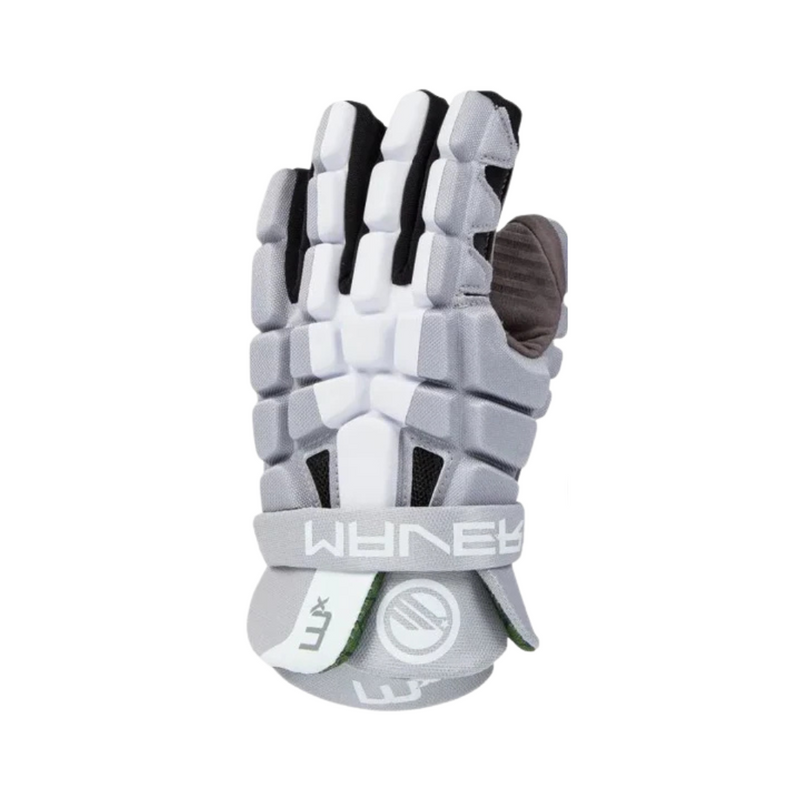
 Maverik M6 Lacrosse Glove$115.99 · better grip in the rain
 Maverik M7 Player Glove$149.99 · newest M series
 Adrenaline Phoenix 2.0 Glove$164.99 · similar price, premium build
 Warrior Evo V Gloves$189.99 · top-end protection