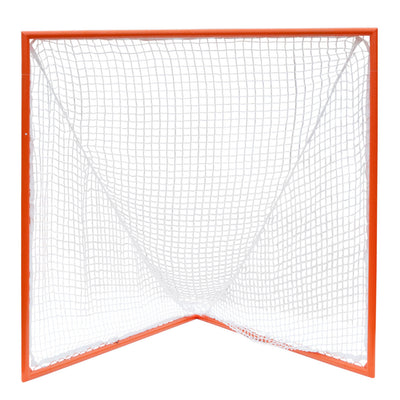
The best cheap and bulk lacrosse balls, with cost per ball, NOCSAE status, counts and colors, plus how to choose them, how to make them last and where to buy them at BattleLax.
DRDave Rathmanner · Equipment · Updated October 23, 2026 · 9 min read
The quick answer
BulkBuy more, pay less per ball
The cheapest balls run about $1.25 to $1.67 each when you buy 120 at a time. Velocity is my #1 pick.
NOCSAERequired for official games
High school and college games need NOCSAE-certified balls. Practice with what you play with whenever you can.
Whether you want to work on throwing and catching, shooting, facing off or anything else, you need lacrosse balls to do it.
There are just two problems: lacrosse balls usually aren't cheap, and they lose their grip fast.
Shelling out hundreds of dollars on balls every season gets expensive quick. And practicing with greasers (what the cool kids call balls that have lost their grip) makes passing and shooting nearly impossible to carry over once you pick up a brand new game ball.
So you don't have to go through the pain of hunting for cheap balls like I have countless times, I put together this guide to your best options, from a few balls to bulk buckets.
Coach's note: Every program I've been around, from upstate New York to Virginia Beach to the Ontario box rinks, has the same problem: by mid-season the ball bag is half greasers. Buy in bulk, keep your game balls separate from your wall-ball balls, and toss the slick ones to the dog. Your stick work will thank you.
We may receive a commission if you make a purchase through a link on this page at no cost to you. This helps us keep this site free & we appreciate your support!
9 best lacrosse balls
I've scoured the market for the cheapest balls that still hold up. Below are my picks, with the estimated cost per ball. Many sellers offer different quantities, and the estimated cost per ball is based on the largest amount each one sells, usually a bulk pack of 30, 60 or 120.
Prices may have changed since this article was last updated, so check the current price before you buy.
In general, the more balls you buy, the lower the cost per ball. So it often makes sense to buy in bulk and use them over time to save money.
Finally, any balls used in official high school (NFHS) and college (NCAA) games need to meet the standard set by the National Operating Committee on Standards for Athletic Equipment (NOCSAE). I've marked whether each option meets it.
Heads up: BattleLax doesn't carry most of the specific brands below, but it stocks Union game balls, Pearl X greaseless balls, training balls and ball bags. Under each pick I point you to the closest option.
1) Velocity Lacrosse Balls
Drip level 5/5Cost per ball $1.33+NOCSAE Yes
Overview: My #1 choice. Velocity offers some of the cheapest lacrosse balls available today, in bulk amounts up to 120. They come in lots of colors and meet NOCSAE standards.
BattleLax pick: BattleLax doesn't carry Velocity Lacrosse Balls. For game and practice balls you can order today, go with Union Lacrosse Balls (From $5.00).
2) Guardian Innovations Pearl LT Textured Lacrosse Balls
Drip level 5/5Cost per ball $2.50+NOCSAE Yes
Overview: If you want balls that last, look no further than the Pearl LT Textured balls from Guardian Innovations. Made here in the USA, they're designed to stay grippy much longer than the average ball. You'll pay a bit more for the quality.
Overview: CrankShooter ties Velocity for the cheapest lacrosse balls, though there are fewer colors and quantities. You can order by the dozen or in a bulk order of 120.
Estimated cost per ball: $1.33+
Meets NOCSAE standards? Yes
Counts: 12, 120
Colors: White, yellow
BattleLax pick: BattleLax doesn't carry CrankShooter Lacrosse Balls. For cheap balls you can order today, go with Union Lacrosse Balls (From $5.00).
4) Gladiator Lacrosse Balls
Drip level 4.8/5Cost per ball $1.67+NOCSAE Yes
Overview: Gladiator Lacrosse, known for its Shark Tank appearance, offers balls in a variety of quantities and colors. They're very affordable compared to some other options and are NOCSAE certified.
Estimated cost per ball: $1.67+
Meets NOCSAE standards? Yes
Counts: 1, 3, 12, 120
Colors: White, yellow, orange
BattleLax pick: BattleLax doesn't carry Gladiator Lacrosse Balls. For affordable balls you can order today, go with Union Lacrosse Balls (From $5.00).
5) Champion Lacrosse Balls
Drip level 4.6/5Cost per ball $1.67+NOCSAE Yes
Overview: If you need 24 balls or fewer, Champion makes some of the most popular balls in the industry. They're a bit more expensive, but they have great reviews and seem to hold up well.
Estimated cost per ball: $1.67+
Meets NOCSAE standards? Yes
Counts: 1, 2, 3, 6, 12, 24
Colors: White, yellow, orange
BattleLax pick: BattleLax doesn't carry Champion Lacrosse Balls. For a small batch of balls, go with Union Lacrosse Balls (From $5.00).
6) Champion Lacrosse Balls + Bucket
Drip level 4.6/5Cost per ball $3.06+NOCSAE Yes
Overview: If you want a bucket of balls, this is your best bet on the list. You get 36 balls plus a quality bucket with a handle that makes them easy to carry.
Estimated cost per ball: $3.06+
Meets NOCSAE standards? Yes
Counts: 36
Colors: White, yellow
BattleLax pick: BattleLax doesn't carry the Champion Lacrosse Balls + Bucket. For an easy way to haul your balls, grab Maverik Speed Ball Bag ($34.99) and fill it with Union Lacrosse Balls.
7) Signature Lacrosse Ball Set
Drip level 4.4/5Cost per ball $1.25+NOCSAE No
Overview: I've heard a lot of players rave about Signature's balls. They're supposed to last twice as long as a normal ball and cost less than most others, especially in bulk. The only problem is they don't currently meet NOCSAE standards. It's not entirely clear why, but they drop in our rankings since they can't be used in official games.
Estimated cost per ball: $1.25+
Meets NOCSAE standards? No
Counts: 4, 8, 12, 120
Colors: White, yellow, orange, pink, green, blue
BattleLax pick: BattleLax doesn't carry the Signature Lacrosse Ball Set. For a long-lasting ball that is game-ready, go with Pearl X Greaseless Lacrosse Balls (3-pack) ($19.99).
8) Lacrosse Sak Training Balls
Drip level 4.8/5Cost per ball $7.33+NOCSAE No
Overview: If you want a soft training ball that's the same size and weight as a regular ball, get a Lacrosse Sak. It looks like a hacky sack but is firmer and rounder, like a real lacrosse ball. Whether you want a ball to play with inside or a softer ball to teach your child, it's a great choice.
Overview: If you want a lighter foam ball to practice with, Champro Sports has you covered. They're much lighter than a standard ball, which makes them great for indoor play or teaching beginners.
Most players throw greasers away when they're done with them.
Not in the trash. They literally throw them as far away as they can.
Either that, or the ball gets a new life as a dog toy or a massager.
Whatever you do with your greasers, there's one tool that can give them a second life as a lacrosse ball: the Greaser Gripper Lacrosse Ball Resurfacing Tool.
One end fits into a power drill, and the other end has a cup-shaped opening you set your lacrosse ball in.
Just hold the abrasive pad against the ball, pull the trigger on the drill, and you're on your way to a like-new ball.
The Greaser Gripper removes the top layer of the ball's rubber, leaving a rougher, grippier ball. Your degreased ball may not last as long as a brand new one, but you can squeeze a good bit of life out of it before handing it over to the dog. BattleLax doesn't carry the Greaser Gripper, so if you'd rather skip the drill, grab some Pearl X greaseless balls ($19.99).
How to choose lacrosse balls
Lacrosse balls are all pretty similar, which makes it hard to tell which ones to buy. Since they're basically all spheres of rubber, there are only a few things to think about:
Standard balls vs. practice balls: First decide if you want a regular ball or a softer practice ball. I recommend using a real ball as much as possible so you practice with what you'll play with.
Whether they meet NOCSAE standards: As I explained above, the NFHS and the NCAA both require NOCSAE-approved balls. You can practice with any ball, but it's usually worth using a NOCSAE ball so you know it's the same shape, size and material as the balls you'll likely use in games.
Color: The shape never changes, but balls come in lots of colors. Official games usually use white balls (sometimes yellow or orange), so go with white if you want to practice with what you play with. If you don't care, pick whatever looks coolest!
Durability: Last but definitely not least, try to gauge how durable a ball is. The easiest way is to read customer reviews. You can also visit your local store to see how grippy they are in person. Curious about textured balls? Read is a textured lacrosse ball better?
Tips for using your lacrosse balls
Here are a few important things to keep in mind:
Clean them if they get dirty: I've found that cleaning my balls every couple of uses extends their life by at least a couple of months. It matters even more if they get really dirty or muddy.
Practice with real balls as much as possible: Training balls are fine when you're starting out or playing inside, but use real balls as much as you can. My coach always said "practice like you play," and that goes for the balls you use too.
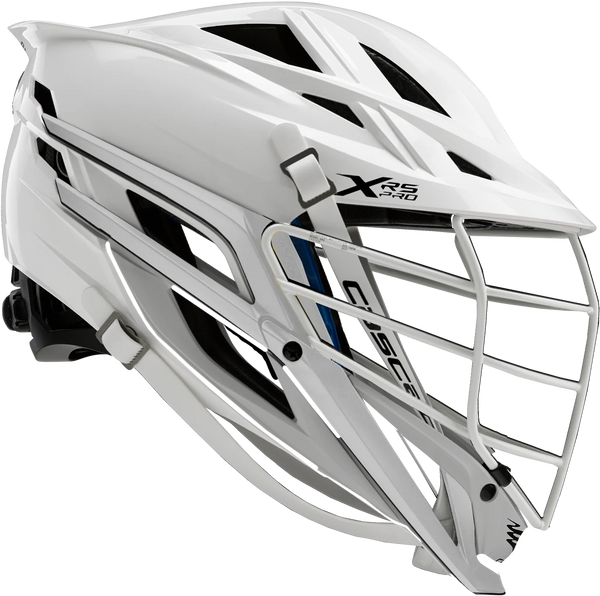
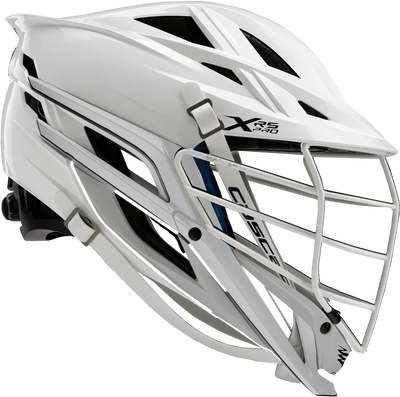
Wear protective gear: Lacrosse balls are hard. If you've ever eaten a hard shot or pass, you know. Wearing your helmet and pads, like the Cascade XRS Pro Lacrosse Helmet ($339.99), keeps you safe in practice, especially beginners.
Be careful where you use them: Like I said, lacrosse balls are hard. They can break windows, glass, bones and plenty of other things you don't want to break. Be smart about where you play so you don't have to have a tough talk with the neighbors.
Use them as a massage tool: For the third time, lacrosse balls are hard. This time that's a good thing. Lean your body weight into a ball to work out knots in your back, legs, arms, chest and more.
Donate greasers to your pup: When a ball gets too greasy to use, give it to your dog (or a neighborhood dog if you don't have one) instead of throwing it away.
BattleLax carries Union Lacrosse Balls, Pearl X greaseless balls, training balls and ball bags. Buying in bulk usually gets you the lowest cost per ball.
What is the cheapest way to buy lacrosse balls?+
Buy in bulk. The more balls you buy, the lower the cost per ball, usually in packs of 30, 60 or 120.
What does NOCSAE certified mean for lacrosse balls?+
It means the ball meets the NOCSAE standard required for official high school (NFHS) and college (NCAA) games.
What is a greaser in lacrosse?+
A greaser is a ball that's lost its grip. It's slick, hard to catch and doesn't play like a new game ball.
What color lacrosse balls are used in games?+
Official games usually use white balls, though yellow or orange balls are sometimes used.
Now go ball out
I hope this guide helped you find affordable, quality lacrosse balls to practice with and gave you some ideas for using and managing them.
You may also like our guides to other training gear you can use with your new balls:
The best goalie helmets for adults and youth, plus the throat protectors to go with them, how to mount them, and the gear you can order today at BattleLax.
ADAnson Decker · Updated October 23, 2026 · 9 min read
LaxDrip is reader supported. When you buy through links on this page we may earn a commission at no extra cost to you. How we review.
Could you imagine stepping between the pipes with no helmet on? Yeah, I couldn't either. There's not enough gold in Fort Knox to put me in goal without a proper helmet and throat protection.
If you've got the moxie to step in goal, you should have the sense to invest in a quality helmet and throat protector (or "dangler") to guard your money maker and the brains behind it.
This guide covers the best goalie helmets and throat protectors on the market, so you've got one less thing to stress about in the cage.
Coach's note: I've watched keepers from upstate New York to Virginia Beach, and Ontario box goalies who stand in front of shots most people would run from. Every one of them will tell you the helmet and the throat guard are the two pieces you don't cheap out on. Get them fitted right, mount the dangler properly, and then go stop some rubber.
Our top picks
In lacrosse, any helmet that's legal for field players is legal for goalies, as long as you add a throat protector. That rule, and the list of legal helmets, applies to goalies in the women's game too.
Best goalie helmet for adults (men & women):Cascade XRS
A price goes to that item on BattleLax. "Alt" goes to the closest item BattleLax has in stock.
Best lacrosse goalie helmets
This section covers the top goalie helmets for men, women and kids. You'll find the best throat protectors to pair with your helmet in the next section. Want the full field-player rundown too? See our best lacrosse helmets guide.
1. Cascade XRS Best overall
Cascade's most protective, best-seeing helmet, and our top pick for goalies.
Best for Men & womenAges AdultDrip 5/5
Cascade released the XRS just in time for 2022 NCAA Championship Weekend. It's Cascade's most protective and comfortable helmet to date and our top-rated lacrosse helmet.
It has a tri-liner system that spreads out different kinds of impacts while giving you a better fit on your head. A Double Jaw Deflection system adds protection over earlier models, and better ventilation keeps you cool.
Beyond protection and comfort, the XRS improves on the S, Cascade's previous model, with better visibility. Cascade says the VISION system boosts peripheral vision by 20%, and the Power-Pressed Vision Bar shrinks the top of the facemask without giving up rigidity.
Overall, the Cascade XRS is the cream of the crop. If you're shopping for a new goalie helmet, the XRS should be at the top of your list.
Key features: Tri-liner impact system · Double Jaw Deflection · VISION system and Power-Pressed Vision Bar
Pros
Cascade's most protective helmet
Better peripheral vision
Great ventilation and fit
Cons
Premium price
Throat protector sold separately
Who it's for: Adult goalies, men or women, who want the best protection and vision.
BattleLax pick: BattleLax doesn't carry the Cascade XRS. BattleLax carries the upgraded Cascade XRS Pro Lacrosse Helmet ($339.99), the same Cascade platform with even more protection.
The previous Cascade flagship, still a great all-around goalie helmet.
Best for Men & womenAges AdultDrip 5/5
The S isn't Cascade's newest helmet anymore, but it's still a great option for goalies.
Comfort comes from the XFLO ventilation system, which increases and recycles airflow around your head. Balance Point Technology and NV3 foam in the crown keep the helmet centered through the most intense movement and contact.
The HardTail SPRfit design lets you micro-adjust the helmet for the perfect fit.
It's protective too, with the Supermono S Shell and the SEVEN Technology tri-liner system that spreads energy in key impact areas to soften hard hits, including the shot that gets past your stick.
Even with all that tech, the S keeps clean sightlines with its Visionbar PowerPress Technology, which makes it a great all-around goalie helmet.
Key features: XFLO ventilation · Balance Point Technology and NV3 foam · HardTail SPRfit micro-adjust · Supermono S Shell with SEVEN tri-liner
Pros
Great ventilation
Micro-adjustable fit
Clear sightlines
Cons
No longer Cascade's newest helmet
Harder to find new
Who it's for: Adult goalies who want premium Cascade features without the newest price tag.
BattleLax pick: BattleLax doesn't carry the Cascade S. For a lighter Cascade helmet that costs less than the XRS line, go with the Cascade SL Lacrosse Helmet ($279.99).
If you don't want to break the bank, the Cascade CPX-R is a worthy alternative to the fully loaded S, packing a lot of the same punch for less coin.
The R Series Shell is no slouch, and it works with the familiar SEVEN Technology liner to spread out and soften hits. The same SPRfit HardTail from the S lets you dial in a secure fit around your dome.
The CPX-R is one of the most common helmets you'll see on the field. It may be the "cheaper" option, but it doesn't skimp on the construction that made Cascade one of the most trusted brands in the sport.
Key features: R Series Shell · SEVEN Technology liner · HardTail SPRfit
Pros
Great value
Same fit system as the S
Proven, popular helmet
Cons
Fewer features than the S and XRS
Who it's for: Adult goalies on a budget.
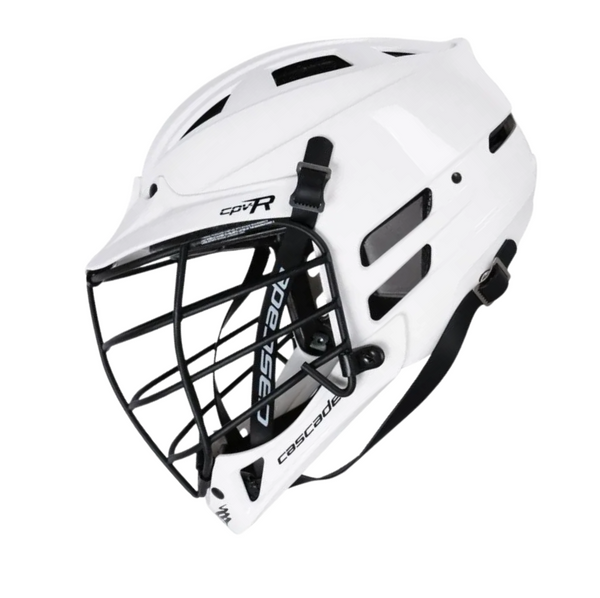
BattleLax pick: BattleLax doesn't carry the Cascade CPX-R. For a budget Cascade helmet you can order today, go with the Cascade CPV-R Lacrosse Helmet ($175.00), built on the same R shell.
The Cascade S Youth packs all the protection and comfort of the adult version into the perfect helmet for a youth goalie.
It uses the same Supermono S Shell and tri-liner system to soften every hit, XFLO ventilation to keep your head cool, and the HardTail SPRfit with customizable jaw pads for the perfect fit.
The S Youth uses the same vision system too, with thinner wiring around the eyes for better visibility. That's huge when you're between the pipes.
Key features: Supermono S Shell with tri-liner · XFLO ventilation · HardTail SPRfit and custom jaw pads · Thinner wiring around the eyes
Pros
Adult-level protection in a youth size
Great visibility
Customizable fit
Cons
Pricey for a helmet they'll outgrow
Who it's for: Youth goalies who want top-level protection.
BattleLax pick: BattleLax doesn't carry the Cascade S Youth. BattleLax carries the newer Cascade XRS Youth Helmet ($270.00), with the XRS's protection sized for young players.
A smart, affordable helmet for young goalies who'll outgrow it.
Best for Youth goaliesAges YouthDrip 4.6/5Price $175.00
The CPV-R is worth a look for any parent who wants their young goalie protected without sinking too much into gear they'll eventually grow out of.
It uses the same R shell as its older sibling and the same liners to handle contact. A FreeFlow system keeps air moving around the player's head for maximum cool and comfort.
For vision, the Chevron Mask gives you better downward clarity so no shot goes untended.
It's a great option for any young goalie, and a smart way to save money on gear they probably won't fit in a few seasons from now.
Key features: R shell and liners · FreeFlow ventilation · Chevron Mask for downward clarity
Pros
Affordable
Good downward vision
Proven R shell
Cons
Fewer premium features
Who it's for: Parents of young goalies who want protection without overspending.
Without a throat protector, a goalie's helmet is no different from any field player's. That makes picking a helmet easy, but it doesn't change the fact that goalies stand in front of shots that send everybody else ducking for cover.
A throat guard covers what the helmet can't, your neck and throat, so you get some peace of mind in the "off chance" a shot gets past your stick.
Here are two throat protectors worth a look.
1. Cascade TP-S Goalie Throat Protector Best throat protector
A wide-coverage, durable dangler that holds up shot after shot.
Best for All goaliesAges All agesDrip 5/5Price $39.99
The Cascade TP-S is a sturdy, reliable dangler that covers a much wider area of your neck than other throat protectors on the market.
Cascade keeps the exact material locked up in the same vault as the Colonel's fried chicken recipe, but based on goalie feedback, it's a durable piece of gear that holds up no matter how many shots it takes.
Key features: Wide neck coverage · Durable build · String, zip tie or screw mounting
Pros
Wide coverage
Durable
Two mounting options
Cons
Screw mounting means drilling your helmet
How to connect it to your helmet
There are two ways to attach this protector to your helmet: with strings or zip ties, or with screws.
The first option (strings or zip ties) is easy enough. Weave the soft connector through the pre-drilled holes in the protector and run it through the openings between the facemask and the jaw shield.
The upside is that it's less invasive to the helmet, and you can pull the protector off easily if you want to play out of the cage.
The downside is that it really earns the "dangler" nickname. The protector moves with a mind of its own, so expect some clanking and slapping against your helmet and neck.
The second option (screws) is a bit more involved.
Start by drilling a hole through the middle "C" in the word CASCADE along the bottom of the chin piece with a 7/32" drill bit.
With the same bit, drill a hole on each side of the helmet. The exact spot depends on your helmet, but it's usually at an angle from the bottom facemask mounting screw on each side.
You'll need screws, bushings and T-nuts to attach the throat piece to the chin piece. Follow the manual that comes with the protector to fit your new dangler properly.
The screw method holds the protector more securely, so you get no unwanted movement or clanking, but it's harder to install and takes more work to remove and reattach.
Who it's for: Every goalie. Don't step in the cage without one.
A cheaper Cascade throat guard that beats going uncovered.
Best for All goaliesAges All agesDrip 4.6/5
The TPC2 is another quality throat protector from Cascade, but it's a bit cheaper. It's pretty straightforward, without many frills beyond its price.
The TPC2 is cheaper for a reason. Users point to flimsier material than the TP-S and less coverage.
Still, the TPC2 beats going uncovered and is worth it to avoid the dreaded throat shot. You can't put a price on that peace of mind.
Key features: Affordable · String, zip tie or screw mounting
Pros
Cheaper
Better than no protection
Cons
Flimsier material
Less coverage
How to connect it to your helmet
The TPC2 attaches the same way as the TP-S, with the same string or zip tie option versus screws, and the same pros and cons for each method.
The main difference is the side holes. The TPC2 needs holes drilled a little closer to the center of the chin piece, and the exact distance depends on your helmet.
Again, follow the instructions that come with your throat protector to make sure you mount it correctly.
Who it's for: Goalies on a tight budget.
BattleLax pick: BattleLax doesn't carry the Cascade TPC2 Throat Protector. For a throat protector you can order today, go with the Cascade TP-S Goalie Throat Guard ($39.99), which also gives you more coverage.
We take our ratings seriously and only recommend gear we'd use ourselves.
To rate each product, we test it ourselves whenever we can, review the specs (weight, protection and so on), and read customer reviews and talk to players we know who use it.
With helmets specifically, we mainly test comfort and fit with our staff and their friends. We also only recommend helmets that meet the current NOCSAE standard.
When we can't test a product extensively ourselves, we spend extra time talking to real players who've used it for a while. If you have feedback on anything on this page or want us to add a product, let us know.
Goalie helmets and throat guards in stock at BattleLax
Want gear you can order today? These are the helmets and the goalie throat guard BattleLax carries right now.
Prices, sizes and stock change, so check the product page before you order.
Frequently asked questions
Can a lacrosse goalie wear a regular helmet?
Yes. Any helmet that's legal for field players is legal for goalies, as long as you add a throat protector. The same goes for goalies in the women's game.
What is the best lacrosse goalie helmet?
The Cascade XRS is our top pick. BattleLax carries the upgraded Cascade XRS Pro.
Do lacrosse goalies need a throat protector?
Yes. A throat protector is required for goalies, and it covers the neck and throat that the helmet can't.
How do you attach a throat guard to a lacrosse helmet?
Either with strings or zip ties through the gap between the facemask and jaw shield, or with screws, bushings and T-nuts through holes drilled in the chin piece. Screws hold it more securely.
What is the best youth lacrosse goalie helmet?
The Cascade S Youth is our top youth pick. At BattleLax, the Cascade XRS Youth is the premium option and the CPV-R and CS-R Youth are the budget options.
QUIX rail traction, a mid-cut option and zero break-in. Here's how New Balance's Freeze V5 held up after seven games, and how it stacks up against the Freeze 3.0 and Nike Huarache 9.
CSConnor Stifel · Equipment · Updated October 22, 2026 · 7 min read
Rating8.8/ 10
LaxDrip verdict: the best grip in the game, a true-to-size fit and no break-in at all. It's on the heavy side and the QUIX rail can nick your ankle, but it replaced my go-to cleats.
LaxDrip is reader supported. When you buy through links on this page we may earn a commission at no extra cost to you. How we review.
New Balance lacrosse cleats have always been my pick over the Nike Huarache Elite. They're easier on the wallet and give you the best grip in the game.
So when I heard about the Freeze V5's mid-cut design and ankle padding, I added a pair to my collection right away. Here's my New Balance Freeze V5 review.
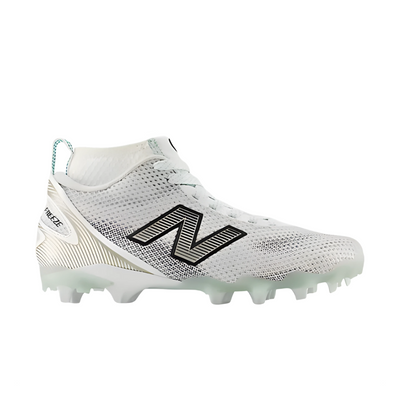
The New Balance Freeze V5.
New Balance put out a few versions, including a box shoe and a junior cleat. I've worn the V5 for about seven games and have a pretty good feel for them. Let's see if they have the traction, support and fit.
Coach's note: I've played on wet April grass in upstate New York, sticky turf in Virginia Beach summers and the hard indoor floors of Ontario box. The cleat that wins is the one that grips on the plant and doesn't chew up your feet by the fourth quarter. The V5 does both.
First, they come in white, black, gray and a limited edition colorway. Comfort and support matter more, but I'd have liked more options for juniors.
I got the field cleats in a 10.5 and loved them from the first wear. They felt ready to go, which is rare with new cleats. They're true to size and fit perfectly, with no tightness in the toe box or heel.
The slim tongue and heel setup.
The V5 skips the full-sleeve style a lot of cleats use and goes with a slim tongue and heel setup. The heel cup feels locked in and snug without being too tight. I also liked the back pull tab, a small but appreciated detail that makes them easy to get on.
With a mid and a low version, the V5 gives you a choice of ankle support. The dual lace holes lock the laces in place so they don't loosen mid-game. The result is a secure fit that keeps me stable on sudden pivots and cuts and cuts down on rolled ankles.
Traction
The main selling point of the Freeze line has always been the QUIX rail, the outer rim of teeth on the cleat. It's the same QUIX rail you had on the Freeze 4.0 and the original Freeze, and it gives you exceptional traction on quick changes of direction.
As an offensive player, I love how it grips the turf and keeps me from slipping on quick pivots and acceleration. I did scratch my ankle on it once, though.
The QUIX rail and diamond-shaped studs.
It's not just me. A few buddies who wear the V5 complained about the same thing, so it's good to be aware of.
New Balance improved the stud pattern on the inside and used a molded TPU outsole for even better grip. The diamond-shaped studs in the midsole add excellent traction when I dig in, especially on deeper cuts.
If you play box, go with the V5 box shoe. Its nubbed rubber outsole supports lateral movement on turf and concrete. BattleLax doesn't carry the box version, but the New Balance FreezeLX v5 Turf ($119.99) is a great indoor turf option.
Comfort
Even at 13 ounces, the Freeze V5 is the most comfortable men's cleat I've worn.
It has a two-part upper: a tough synthetic section in the back for structure and breathable mesh up front for flex and airflow. It feels tough but not heavy, with a good balance of stiffness and flexibility.
The two-part upper.
They didn't need any break-in because they're light and well built, and I was impressed by the heavily padded, really soft insole. Usually my feet hurt after the first session in new cleats, and I have to wear them for at least a couple of practices. I wore these straight into a game, and my feet felt fine.
Breathability is another highlight. The mesh layer on top gives you better airflow and kept my feet dry even after long summer games. The soft, absorbent inner layer adds comfort and wicks away moisture to prevent blisters and irritation.
It doesn't have a sock liner, but my feet didn't feel sweaty. If you sweat a ton, the Nike Huarache 9 Elite may be a better fit.
The Freeze V5 colorways.
Freeze V5 vs. Freeze 3.0 and Nike Huarache 9 Elite
The Freeze 3.0 was my go-to cleat for a long time at only 11 ounces per cleat. The V5 is a little heavier at 13 ounces but still feels light. It's also heavier than the Nike Huarache 9 Elite at 12 ounces.
Freeze V5
Freeze 3.0
Huarache 9 Elite
Weight
About 13 oz
About 11 oz
About 12 oz
Traction
QUIX rail + diamond studs
QUIX rail
10-stud TPU plate
Feel
Supportive mid
Light
Most flexible, most breathable
Even so, the V5 doesn't feel heavy on the field and still gives strong support and stability. I also like the mid cut for ankle support on quick cuts compared to the low-cut Huarache 9 Elite Low.
The Huarache 9 Elites are more flexible and better for players who like a low-profile fit, and I find them more breathable. Still, I prefer the New Balance for the QUIX rail and the value. See how it compares to the rest in our best lacrosse cleats, newest men's lacrosse cleats and Nike Huarache 9 review.
Shop the Freeze V5 at BattleLax
BattleLax carries the Freeze V5 in mid, low, youth and turf versions, plus a couple of colorways on sale.
Choose cleats built for lacrosse, with durable studs and strong grip for quick cuts. The New Balance Freeze V5 is a top pick for support and traction.
Are lacrosse cleats OK for soccer?
They aren't ideal. Lacrosse studs are placed for lacrosse movements, while soccer cleats are usually more flexible and lighter.
How long do lacrosse cleats last?
With regular use, most lacrosse cleats last about a season. Well-built cleats like the Freeze V5 can last longer.
Are baseball and lacrosse cleats the same?
No. They have different stud designs and traction. Lacrosse cleats like the Freeze V5 have studs built for stability and quick changes of direction.
When did the New Balance Freeze V5 come out?
The Freeze V5 came out in 2024 with better traction, a mid-cut option for ankle support and a more breathable design.
Final Verdict
These were great to wear. I only planned to wear them for a few games for this review, but I kept going. They've replaced my old go-to cleats for rough games, the Freeze 3.0.
If you want lighter, more flexible cleats, try the Nike Huarache 9 Elite. Otherwise, the Freeze V5 is the grip-first cleat I'd recommend to just about any field player.
23 lacrosse cleats and shoes for adults, youth, turf and box, tested for traction, support, comfort and fit, plus a buying guide and the cleats you can order today at BattleLax.
ADAnson Decker · Equipment · Updated October 22, 2026 · 22 min read
Top pickV5
Coach's pick: the New Balance Freeze V5 for the best grip we've tested and zero break-in. BattleLax has it in mid, low, youth and turf, plus the Freeze 4.0 Low on sale.
We may receive a commission if you make a purchase through a link on this page about the best lacrosse cleats at no cost to you. This helps us keep this site free & we appreciate your support!
You might have the best stick on the market, the perfect string job and pads that make every hit feel like a tap on the shoulder.
That's all great, but if you can't move around the field quickly on your own two feet, the rest of your gear means nothing.
Never overlook cleats. They're the base for everything you do on the field. You need traction to cut on a dime, enough support to keep your ankle and foot stable and the comfort to go hard for four quarters.
To make your search easier, we did the legwork and broke down the best lacrosse cleats out there. Looking for women's cleats? Check out our best women's lacrosse cleats guide.
Coach's note: I've seen ankles rolled on wet April grass in upstate New York, turf burn on 95-degree days in Virginia Beach and box guys in Ontario sliding around in the wrong shoes on a dry floor. Match your shoe to your surface first, then worry about the colorway. One good pair of field cleats and one pair of turf shoes will cover just about everything.
Heads up: BattleLax carries the New Balance FreezeLX v5 in mid, low, youth and turf, plus the Burn line and the Freeze 4.0 on sale. For the others, I point you to the closest pair they stock, and you'll find the full list below.
High tops, low tops, field cleats, turf shoes, molded studs, replaceable spikes. The list goes on. There are plenty of cleat styles depending on your field and what you like, so we found the best options for every scenario. Jump to a section below or keep scrolling.
"Buy" goes to the cleat on BattleLax. "Alt" goes to the closest cleat BattleLax has in stock.
Best adult lacrosse cleats
1. New Balance Freeze V5 Best overall
[wpdatatable id=354]
The New Balance FreezeLX V5 makes my list because the traction is amazing. The QUIX rail studs gave me the best grip I've ever had, and the traditional tongue locked my foot in for clean cuts and quick pivots, even on damp grass.
I caught my ankle on the QUIX rail once or twice, but the diamond-shaped studs in the midsole cut down on slipping when I dug in. The mid cut gives you ankle support without limiting your movement.
The heel cup holds your foot in place without feeling restrictive. I got a 10.5 and it fit perfectly. Unlike a lot of cleats, there was no break-in, and the inner mesh kept my feet comfortable through long practices.
At 13 ounces, some players may find them heavy. If you value speed over grip, go with the Nike Huarache 9 Elite. Still, they're durable, weather-resistant cleats built for consistent footwork, especially for middies.
2. Nike Huarache 9 Elite Mid Lax Best for attackmen
[wpdatatable id=353]
The Huarache 9 Elite is the newest Huarache, built with synthetic materials and a mesh center. At 12 ounces, it's really durable and weather resistant, and its light design suits attackmen who want a flexible mid.
The biggest change from past models is the extra flex in the TPU plate. They feel quick and responsive from the first game, and if you've worn older Huaraches, the break-in is basically nonexistent.
The mid-cut collar balances ankle mobility and support perfectly. The heel stays locked in with no sliding, even on sharp cuts and fast dodges, and the 10 studs really cut down on slipping.
The new design has less mesh and more molded rubber along the edges. That makes it more durable but cuts airflow. Even with sweat-wicking padding, my feet got warm in the summer.
Pros
Better ankle support and mobility
Durable outsole
Light and comfortable
Cons
Less breathable
Expensive
BattleLax pick: BattleLax doesn't carry the Nike Huarache 9 Elite Mid Lax. For a lacrosse-specific mid with great traction and no break-in, go with the New Balance FreezeLX v5 Mid ($129.99).
Like the Freeze models before it, the FreezeLX V4 is built specifically for lacrosse. I got to try a pair soon after it came out, and it's one of my favorite cleats I've ever worn.
It's light, but my foot feels really stable, and the studs feel perfectly placed, so I can cut in any direction with ease.
Breathable materials throughout keep your feet dry, and a hybrid tongue keeps your ankle in place no matter which way you move. New Balance stepped up the looks too, with five colors from clean white to bold red.
The only reason to skip it is if you have ankle issues. In that case, look at the V4 Mid, which is next. If you like a low cut, the V4 Low is one of the best you can get.
As promised, here's the mid-cut FreezeLX V4. If you like a mid for a little more ankle support, this is the one.
It has most of the same features as the low, but the upper comes up higher on the ankle. If you roll your ankles a lot, that support can help keep you on the field.
If you don't have ankle issues, try both and see what feels better. Some players love the mobility of a low, and others just feel better in a mid.
Like the lows, the mids are really light and grip great, and they come in the same five colors: white, black, tan, red and blue.
5. Nike Alpha Huarache 8 Elite Best all-position mid
[wpdatatable id=71]
The Nike Alpha Huarache 8 Elite is one of our top recommendations and one of my go-to cleats.
Whether you're an attackman, middie or defenseman, the mid cut and no-slip tongue give you the perfect blend of support and mobility. The X-Fit system keeps your heel locked in on sharp cuts and sprints.
One of my favorite things is the sock liner at the ankle. The solid material ends a little lower than some other mids, and a soft sock liner wraps your ankle. That frees up mobility and keeps grass and turf pellets out.
The studs are perfectly placed for every move on the field. Whether I'm dodging, facing off or playing D, I always have the traction and leverage I need.
The only real downside is that the right size can be hard to find. Overall, it's one of our top picks for every position, and countless college players wear them for a reason.
Pros
Breathable and light
Great for any position
Mid cut for stability and mobility
Cons
Can be hard to find
Studs aren't removable
BattleLax pick: BattleLax doesn't carry the Nike Alpha Huarache 8 Elite. For an affordable lacrosse mid, go with the New Balance FreezeLX v5 Mid Hot Mango ($99.99) on sale.
If you like a low cut, the Nike Alpha Huarache 8 Pro is another great option. I love them, and I think they're some of the best-looking lacrosse cleats ever made. The all-white version is super clean.
They're built specifically for lacrosse, from the stud placement to the ankle support, for the cuts and moves the fastest game on two feet demands.
Flexible TPU plates and triangular studs make it easy to cut in any direction, and extra foam adds comfort and support. They're easy to get on and off, the no-slip tongue stays put, and breathable materials keep your feet cool.
The biggest downside is the same as any low cut: less ankle support. If you're used to lows and haven't had issues, these are among the best lacrosse cleats you can get.
Pros
Breathable and light
Easy on and off
Built for lacrosse
Great for sharp cuts
Cons
Less support than mid and high cuts
Studs aren't removable
BattleLax pick: BattleLax doesn't carry the Nike Alpha Huarache 8 Pro. For a low-cut cleat built for lacrosse, go with the New Balance FreezeLX v5 Low ($119.99), or the New Balance Burn X5 Low ($124.99).
The Freeze LX 3.0 is an older version of the Freeze line, but it's still a great option.
What I like most is the traction. On top of the standard studs on the plate, there are outer studs angled outward that help on lateral cuts. Breathable materials keep your feet dry, and a hybrid tongue keeps your ankle in place.
One issue that comes up a lot in reviews is the eyelets ripping. I never had it happen, but watch out for it.
If you like a mid, the Freeze LX 3.0 is a solid option and one of the most popular lacrosse cleats around, for good reason.
Pros
Built for lacrosse movement
Hybrid tongue adds ankle support
Very breathable
Lots of colors
Cons
Some eyelet tearing
A little bulkier than others
BattleLax pick: BattleLax doesn't carry the New Balance Freeze LX 3.0. BattleLax carries the newest Freeze. Grab the New Balance FreezeLX v5 Mid ($129.99).
8. New Balance Burn X2 Mid-Cut Lacrosse Cleat Best first step
[wpdatatable id=74]
New Balance is up next with the Burn X2 mid, a sleek, durable boot.
TPU reinforces the base and sides, protecting your foot from the elements without giving up flexibility. A one-of-a-kind plate maximizes downhill speed and acceleration, and a plush insert keeps the fit snug no matter how hard you move.
The catch is the fit. It runs narrow, and the sewn-in front means there's no traditional tongue to loosen it up for getting on and off. It may also run small, up to two sizes by one buyer's account.
New Balance says the Burn X2 is built for players whose game is all about a quick first step, and that checks out. It's a great cleat for quick-cutting, dodging attackmen.
The UA Command Pro MC is next on our list of the best field cleats.
It's another function-first UA cleat built around a secure fit and traction. The sock-like collar adds support and comfort for players worried about sprains, and a built-in support cage keeps your heel in place on aggressive changes of direction.
The molded TPU plate is light but still gives you great stability and traction. Like other lows, you trade some ankle stability for more mobility and less weight. If you like lows, the Command Pro MC is a great option.
Pros
Very comfortable sock-like collar
Comfortable, secure fit
Extremely light
Cons
Less ankle support than a mid
BattleLax pick: BattleLax doesn't carry the Under Armour Command Pro MC. For a low-cut cleat with a secure fit, go with the New Balance FreezeLX v5 Low ($119.99).
New Balance took the best features of the adult V5 and adapted them for younger players. The biggest difference is the stud pattern. It has similar QUIX rail tech but more studs and a less aggressive design.
That makes them versatile on turf and grass, gripping well on turns and sprints without digging in so deep that young players feel stuck changing direction.
The mid cut and sock liner add support without limiting ankle movement, so it's a great pick for players who need stability without giving up mobility.
They fit a little wider than most. The extra toe room is comfortable, but players with narrow feet may want to lace them tighter for a locked-in feel.
A lot of parents complain youth cleats don't last, but the V5 Youth is really durable. The TPU outsole makes it a little heavier, but it holds up to tough practices.
I've seen young players love the Huarache 8, but it was less flexible and took a long time to break in. The Huarache 9 Elite Mid Youth is one of the most flexible youth cleats on my list, light and comfortable from the first game.
The flexible TPU plate gets rid of that stiff, clunky feel on quick cuts, so young players get a smoother push-off and better acceleration dodging or sprinting in transition.
The conical studs grip without digging in too hard, so your foot doesn't feel stuck on hard plants or rollbacks. The thin ankle collar prevents chafing for all-day comfort.
Nike improved breathability with a sweat-wicking insole, and the insole and outsole hold up to rough use. It's a great pick for young middies who value speed over stability.
Pros
Light for quick feet
Protective mid-cut collar
Grips on turf and grass
Flexible outsole
Cons
Not great for wide feet
BattleLax pick: BattleLax doesn't carry the Nike Huarache 9 Elite Mid Lax Youth. For a youth lacrosse cleat in stock, go with the New Balance FreezeLX v5 Youth ($84.99).
3. Nike Kids' Alpha Huarache 8 Best for growing players
[wpdatatable id=76]
Nike's well-known Huarache 8 comes back in a youth version, a trimmed-down take on the adult boot.
The first big difference is the look. It's a true low top with a sleek design, compact and solid, like the footwear version of a tank.
The molded plate has a stud setup similar to the adult version, which makes it great for athletic young players who already love to dodge and cut.
The main knock is stiffness and break-in. The synthetic upper is supposed to make breaking them in easier, but players say it takes longer than advertised. Still, it's a great cleat, especially for players stuck between youth and adult sizes.
Pros
Trim, clean, durable design
Outer studs up front for quick cuts and pivots
Lots of colors
Cons
Past versions have run small
Can be stiff and hard to break in
BattleLax pick: BattleLax doesn't carry the Nike Kids' Alpha Huarache 8. For a youth lacrosse cleat in stock, go with the New Balance FreezeLX v5 Youth ($84.99).
4. New Balance Kids' FreezeLX V4 Mid Best traction youth
[wpdatatable id=77]
New Balance shrinks its adult FreezeLX V4 down into the Kids' FreezeLX V4.
It has the perfect mix of support and traction, and it's a little bulkier than the adult version for more ankle protection. The studs are still in all the right spots, so young players can make every move without losing their footing.
The only real downside is limited colors. All in all, it's one of the best options for young laxers who need a new pair.
New Balance shrinks the adult Freeze 3.0 into the Freeze 3.0 Junior, another cleat built just for lacrosse.
It's light, with breathable mesh that gives up very little in comfort and speed. Like the adult version, it has QUIX rail outer studs for lateral cuts on top of the main studs.
On the downside, it's bulkier than some options, which could slow some players down, and colors are limited. Still, it's a great cleat for young players who want support and comfort.
6. Under Armour Kids' Command RM Best all-weather youth
[wpdatatable id=79]
Last up for youth is the UA Kids' Command RM.
The mid cut gives good stability without restricting movement, and they're light and comfortable. The sock liner hugs the ankle for extra stability and comfort.
The studs grip in all conditions, so whether the field is bone dry or covered in mud, they'll keep you on your feet. Last on our list, but a phenomenal option for your youth player.
Pros
True to size
Great traction
Supportive and comfortable
Cons
Bulkier than some
Limited colors
BattleLax pick: BattleLax doesn't carry the Under Armour Kids' Command RM. For a youth lacrosse cleat in stock, go with the New Balance FreezeLX v5 Youth ($84.99).
The New Balance Freeze V5 Turf is one of the best lacrosse turf shoes on my list. The nubbed rubber outsole and stability counter kept me balanced on flat, beadless turf and kept me from catching weird edges on quick cuts.
Unlike the Huarache 9, it has flat nubs of different sizes that give you more controlled traction instead of digging in. I loved the control dodging from X and pushing off to roll inside. I felt stable without feeling locked in too tight.
The external stability counter made my foot feel much more supported, and the inner sock liner gave me an athletic-shoe fit with no heel slip, though they loosened up a bit after a couple of weeks.
A good mix of mesh and synthetic makes them breathable with solid structure, and the perforated tongue helps ventilation on long sessions. The upper is flexible and durable for lateral movement, and I like the flat laces since they tie down tighter.
The Nike Huarache 9 Elite Turf has been hyped since it came out, and it's worth it. The Freeze V5 is my current favorite, but nothing matches the Huarache 9's aggressive grip.
The stud pattern is a big change from the Huarache 8, with large, thick round lugs under the ball of the foot and heel for cleat-like grip, plus smaller pyramid studs along the edges for grip in every direction. The Renew foam midsole kept my feet comfortable through long practices.
The upper fit great, but my heel slipped on aggressive cuts. The stretch woven material breathes but doesn't have much structure, so lateral moves felt a little less secure than in the Freeze V5.
The flexible outsole helps with smooth running and quick changes of direction. If you want a more secure fit, go with the Freeze V5 Turf.
Pros
Cleat-like grip on turf
Padded insole
Flexible for smooth running
Light and sturdy
Cons
Slightly wide heel cup
Less lateral support
BattleLax pick: BattleLax doesn't carry the Nike Huarache 9 Elite Turf Lax. For a lacrosse turf shoe in stock, go with the New Balance FreezeLX v5 Turf ($119.99).
3. Nike Alpha Huarache 8 Pro Turf Most comfortable turf
[wpdatatable id=357]
The Huarache 8 Pro Turf is a solid pick for players who want traction and comfort.
It has a uniform pattern of small round pegs, slightly recessed into the sole. You get consistent grip across the whole foot, but it doesn't dig in as hard as the Huarache 9.
The midsole adds comfort and absorbs impact on sprints and sudden stops without feeling too soft. The tongue has enough padding to prevent lace pressure and stayed put all game.
I got a snug fit on roll and split dodges. The forefoot bends naturally for smooth acceleration, while the midfoot keeps you stable planting for a cut or stepping into a shot. It doesn't have the Huarache 9's flexible lateral lining, so be careful pushing off hard on turf.
Pros
Mid-cut ankle support
Extra padding
Consistent grip from recessed lugs
Cons
Stiff sides need a break-in
BattleLax pick: BattleLax doesn't carry the Nike Alpha Huarache 8 Pro Turf. For a lacrosse turf shoe in stock, go with the New Balance FreezeLX v5 Turf ($119.99).
If you want a low-cut turf shoe, the Huarache 7 Pro is a great option.
Hexagonal studs are built for traction on turf, and the Flywire cables the laces connect to keep your foot secure for even more stability.
The tongueless design makes them easy on and off, and breathable materials keep your feet cool.
The biggest downside is that they run a little narrow. If you have wide feet, size up a half size or look at another option.
Pros
Breathable and light
Easy on and off
Hexagonal studs for flexible traction
Cons
Runs narrow
Less support than mid and high cuts
BattleLax pick: BattleLax doesn't carry the Nike Alpha Huarache 7 Pro Turf. For a lacrosse turf shoe in stock, go with the New Balance FreezeLX v5 Turf ($119.99).
Another great low-cut turf shoe is the UA Command Turf, the turf version of the popular field cleat. Mini lugs give you great traction on turf and dry grass.
Like the regular Command, it has a die-cut sockliner for comfort without adding weight, and light materials throughout so your feet don't hold you back.
On the downside, some buyers question the long-term durability, and the insoles are glued in, so they're hard to replace.
Pros
Comfortable yet light
Mini lugs for traction
Cons
Glued-in insoles
Questionable durability
BattleLax pick: BattleLax doesn't carry the Under Armour Command Turf. For a lacrosse turf shoe in stock, go with the New Balance FreezeLX v5 Turf ($119.99).
The New Balance Freeze V5 Box has been my indoor practice shoe for about a month, and it's built for it. Instead of aggressive nubs, it has a flat rubber outsole with subtle circular patterns, so I have total control on smooth indoor floors.
The textured green area near the toe adds grip for quick push-offs, so I get enough traction for quick dodges and hard stops near the crease without losing speed.
Box is all side-to-side, so I always want a tight shoe like this one. The external stability counter locks in your heel so your foot doesn't slide.
The inside sock liner hugs the foot without feeling too tight, and the laces give you a custom fit, but the upper isn't as flexible as some lighter indoor shoes. If you want more flex, try the New Balance FreezeLX V4 Box.
Pros
Excellent grip on box floors
Durable, weather-resistant upper
Good ankle support and impact absorption
Cons
A little heavier than some indoor shoes
Stiff midsole
BattleLax pick: BattleLax doesn't carry the New Balance Freeze V5 Box Indoor. BattleLax doesn't sell a box shoe, but the New Balance FreezeLX v5 Turf ($119.99) works on indoor turf.
We must be dreaming. New Balance made a box lacrosse shoe? Yes, they did, and they didn't hold back on design or features with the FreezeLX V4 Box.
Built like an indoor soccer boot, it grips on hardwood, turf and concrete. The Ndurance outsole gives you great traction on box floors, and the adjustable laces keep your foot locked in whether you're face dodging, roll dodging or turning back.
There aren't any obvious negatives, and the build quality suggests durability won't be an issue.
Pros
Built for box lacrosse
Comes in wide sizes
Feels like a field cleat
Multi-sport use
Cons
Not many long-term reviews
BattleLax pick: BattleLax doesn't carry the New Balance FreezeLX V4 Box. BattleLax doesn't sell a box shoe, but the New Balance FreezeLX v5 Turf ($119.99) works on indoor turf.
Beyond the cleats above, here's a quick guide to what to look for.
1. Turf shoes vs. regular cleats
This is the best place to start. Turf shoes and cleats are really different, and knowing how each performs on different surfaces matters before you spend your money.
Turf shoes are best on artificial turf. Since turf is predictable, they skip studs for lighter nubs that still give you enough traction. If you play mostly on grass, skip turf shoes unless you want a second pair.
Regular cleats work on every surface but really shine on grass and in bad weather. Longer studs give you the traction to keep your balance and speed running into the box or closing out on an attackman. If you don't want to open your own Foot Locker, a regular cleat is the way to go.
2. Fit
After you pick the type, size is next. A good fit means less slipping, more control and less wear on your feet, like blisters and arch pain. Sizing varies a lot between brands, so do your research, especially online, since some cleats run big or small.
Know your foot shape, too. Cleats need to be snug, so a lot of them run narrow, which can be uncomfortable or even damaging if you have wide feet. Reviews usually flag this, and some cleats come in wide sizes. Need a bag to carry them? See our best lacrosse bags.
3. Cut
Cut is how high the cleat comes up on your ankle, which matters if you're prone to ankle injuries. High cuts give the most support. Mids give some support with more range of motion. Lows give very little ankle support and are best for players who aren't worried about rolling an ankle and want to save weight for speed.
4. Weight
Lighter = faster = better, right? Maybe not. A lighter cleat is more comfortable and may let you move fastest, but lighter usually means less support. A heavier cleat may slow you down a little, but the extra support means fewer injuries that take you off the field.
It comes down to a cost-benefit call based on your position. If you cut a lot and you're injury-prone, a slightly heavier, more supportive cleat may be the smart choice. Most of the cleats above balance weight and support by using light materials with supportive pieces built in.
5. Materials
Thermoplastic polyurethane (TPU) is the gold standard for cleat plates and exterior protection. It's durable and light, so look for it in any cleat you're considering.
Mesh on the tongue and knit ankle liners add breathability and a secure, sock-like feel. Foam insoles are standard now and give you support without the weight, plus shock absorption that saves your feet and shins. Cleat tech changes every year, so check out the newest men's lacrosse cleats to see what's new.
How we rate lacrosse cleats
We take our ratings seriously and only recommend gear we'd use ourselves. To rate each cleat, we test it ourselves whenever we can, dig into the specs (weight, materials and so on), and read reviews and talk to players we know who use it.
When we test cleats, we take them to the field for at least a few sessions of lacrosse moves to see how they perform in game situations and how long they take to break in. When we can't, we at least try them on in the store and spend more time talking to players who wear them. If you have feedback or want us to add a cleat, let us know!
Lacrosse cleats in stock at BattleLax
Want a pair you can order today? These are the lacrosse cleats and turf shoes BattleLax carries right now.
Prices, sizes and stock change, so check the product page before you order.
People also ask
How do you choose lacrosse cleats?
Look for good ankle support, the right traction for your surface and durable materials. Make sure they fit well to prevent blisters and help you perform.
Can you use any cleats for lacrosse?
You can, but lacrosse cleats are built for the game's cuts and movements, with better support and traction than most other cleats. Some leagues also have rules on stud types.
Do you need turf shoes for lacrosse?
Not necessarily. Turf shoes give you great grip and stability on artificial turf, but regular cleats work on both turf and grass.
Is there a difference between lacrosse cleats and soccer cleats?
Yes. Lacrosse cleats usually have a higher cut for ankle support and a stud layout built for lacrosse moves like cutting and dodging.
How often should you replace lacrosse cleats?
When they show real wear, like less traction, damaged studs or weak ankle support, replace them so you stay safe and keep performing.
What materials are best for lacrosse cleats?
Look for a TPU plate, light and breathable synthetics or mesh in the upper, and a foam insole for comfort and shock absorption.
The best clear, tinted, black and colored visors for lacrosse helmets, plus a level-by-level breakdown of when visors are legal.
ADAnson Decker · Equipment · Updated October 22, 2026 · 7 min read
Top pickClear
Coach's pick: the Barnett Clear visor, since it's cheap and legal at most levels. Tinted, black and colored visors look great but aren't allowed in most official leagues. Need the helmet to go with it? BattleLax has you covered.
We may receive a commission if you make a purchase through a link on this page about the best lacrosse visors at no cost to you. This helps us keep this site free & we appreciate your support!
You think you've tapped out your lax swag: the perfect stick, a custom-strung pocket, your helmet tilted just right, cleats on point with socks to match.
What else can you do to up your style on the field? The answer may be staring you right in the face: a visor begging to live in your facemask. It's the finishing touch that shows off your personality and strikes fear into your opponents.
Lacrosse is mostly a spring sport, so a visor also protects your eyes from sun glare, dirt, dust and stray pokes. This guide will help you find the best visor for your needs and style.
Keep in mind that depending on your league or level, there are rules about a visor's style and tint, and even whether you can wear one at all. You can learn more in the legality section below.
Coach's note: I've seen it in every corner of the lax world: the upstate New York kid squinting into a low March sun, the Virginia Beach attackman fighting glare off the ocean in June, and the Ontario box player who thinks a tinted shield looks mean. A clear visor helps with all of that, but the ref will send you to the bench in a heartbeat if your tint isn't legal. Check the rulebook before you spend the money.
Best lacrosse visors
Right now, there aren't a ton of lacrosse-specific visors. Luckily, the bigger selection of football visors can fit your lacrosse helmet with a little adjustment.
This is a cheap, durable polycarbonate visor with scratch and fog resistance that meets youth and high school specs. It has a universal fit and attaches with two clamps at the bottom to keep it out of your line of sight.
The sturdy Barnett is a perfect first visor without costing you an arm and a leg, and young players can move it to new helmets as they grow.
There are drawbacks, though. "Universal" deserves air quotes, since some players have had to Frankenstein it onto their helmets with zip ties. It's an older design, so it may not fit newer helmets as well, and the thick plastic makes it harder to bend into the perfect fit.
Some players question the UV protection since it's clear. It still blocks UV, but the tinted and polarized versions may do a better job.
Pros
Affordable
Fog and scratch resistant
Legal at most levels
Easy clamp attachment, hardware included
Cons
Can be tough to fit on lacrosse helmets
Questionable UV protection
Older design
BattleLax pick: BattleLax doesn't sell visors. Need a helmet to put it on? The Cascade CPV-R Lacrosse Helmet ($175.00) is a solid, affordable lid for younger players.
Best forRec play and practice where tint is allowed
MaterialPolycarbonate
TintTinted
AttachmentTwo clamps at the bottom
Fit"Universal"
The Barnett Visor Tinted is the tinted sibling of our best clear visor.
It has all the same positives plus more UV and blue light protection. It attaches the same way and uses the same polycarbonate as the clear version.
The price and toughness still make it a solid first visor for players in leagues that allow tint, and the universal fit works on youth and adult helmets the same way.
It also shares the clear version's questionable "universal" fit. The tinted version is a little newer, so it may fit more recent helmets.
The big drawback is that tint isn't legal in most organized lacrosse, including youth and high school. Check your league's rulebook before you buy one for a young player.
Pros
Affordable
Tinted
Fog and scratch resistant
UV and blue light protection
Easy clamp attachment, hardware included
Cons
Not legal in most official leagues
BattleLax pick: BattleLax doesn't sell visors. Need a new lid to go with it? Check out the Cascade SL Lacrosse Helmet ($279.99).
3. SLEEFS Black Diamond Helmet Eye Shield Best black visor
Drip level5/5
Best forMax intimidation (where tint is allowed)
MaterialPolycarbonate
TintSolid black
AttachmentTwo inset clamps
Fit"Most" helmets
If you want a black visor that hides your eyes and gives you the most intimidating look, the SLEEFS Black Diamond is your best bet.
It has a solid black tint and a sleek design that blends into your helmet. The polycarbonate build is durable and resists scratches and fog.
Like the Barnett visors, it attaches with two clamps at the bottom, but the clamps are inset, so there's no gap between the visor and the cage. It looks sleeker and cleaner.
As cool and sturdy as it is, it has some obvious drawbacks, starting with price. It's typically almost double the other visors here. The tint also makes it illegal in most official leagues.
It doesn't claim a universal fit. The listing says it fits "most" helmets, and since it's built for football, it may not work with some lacrosse helmets. There are also mixed reports on whether the clamps are included or sold separately.
Pros
Sleek black look
Fog and scratch resistant
UV and blue light protection
Newer design
Cons
Pricier than other options
Not a universal fit
Not legal in most official leagues
BattleLax pick: BattleLax doesn't sell visors. Want a helmet worthy of a blacked-out shield? Go with the Cascade XRS Pro Lacrosse Helmet ($339.99).
4. EliteTek Color Visor for Helmets Best colored visor
Drip level5/5
Best forMax drip (where tint is allowed)
MaterialPolycarbonate with polyester inner
TintOrange, blue or gold, clear or smoke base
AttachmentTwo inset clamps
FitFootball universal
The EliteTek Color Visor is the flashiest of the flashy, so you can show off your style on and off the field.
It's another polycarbonate build with a polyester inner layer for a comfortable, impact-resistant visor. Like the Black Diamond, it attaches with two inset clamps at the bottom.
Unfortunately, it's a football universal fit and doesn't attach easily to youth small and extra small helmets. With a little work, though, you should be able to get it on your lacrosse helmet.
Pick a clear or smoke base in orange, blue or gold for a unique flash that makes you stand out. The tint filters UV and blue light and cuts down on glare.
At an affordable price, it makes a good case for adding to anyone's drip, but the sizing and tint are real drawbacks. Like the others, it's not allowed in most organized youth, high school and college leagues.
Pros
Lots of cool colors
Impact resistant
UV and blue light protection
Newer design
Pretty affordable
Cons
Not built for lacrosse
Not a universal fit
Not legal in most official leagues
BattleLax pick: BattleLax doesn't sell visors. Want a helmet to rock it on? The Warrior Burn X Lacrosse Helmet ($309.99) has tons of color options to match.
It depends entirely on your (or your player's) age and league. Our breakdown may not match your league exactly, so check its rules before you buy a visor. Here's a general look at visor legality by level.
Youth lacrosse
There's no universal rule on visors in youth leagues, but based on our research, many follow high school rules.
Rule of thumb: the visor has to be clear and molded, with no tint of any kind or degree. You also can't wear tinted glasses under a visor, but you can wear tinted glasses without one.
High school lacrosse
Visors are legal but follow the same rules as youth: clear and molded, with no tint of any kind or degree. These rules come from the NFHS boys' lacrosse rulebook and state association uniform rules, so check the current edition for your state.
College lacrosse
Visors are legal in the NCAA and the MCLA (which follows NCAA rules), but the rule is much more general than in high school and youth ball.
A plastic face shield attached to the helmet is allowed as long as it's completely clear. The NCAA does make an exception for tint if the player has a documented medical condition that requires it. Check the current NCAA rulebook for the latest.
Pro lacrosse
There are no formal visor rules across the pro leagues. If you make it to that level, talk to your team's equipment manager or the league office, since legality isn't the only thing to think about. Leagues have different sponsorship deals that can affect what gear, including visors, you can wear.
Recreational leagues
There's no rule of thumb for rec leagues at any age. Check your league's rules or ask its leadership.
Prices and stock change, so check the product page before you order.
People also ask
Are visors legal in lacrosse?
It depends on your level and league. High school and most youth leagues allow clear visors with no tint. The NCAA allows clear face shields and makes an exception for tint with a documented medical need. Always check your league's current rulebook.
Can you wear a tinted visor in high school lacrosse?
No. High school rules only allow clear visors with no tint of any kind. You can wear tinted glasses without a visor, but not under one.
Do football visors fit lacrosse helmets?
Many do with a little adjustment, since there aren't many lacrosse-specific visors. Fit varies, and some players need zip ties or extra hardware to get them on.
What is the best lacrosse visor?
For most players, the Barnett Clear visor, since it's affordable and legal at most levels. If your league allows tint, the SLEEFS Black Diamond has the cleanest, most intimidating look.
9 backstops that attach to your goal or stand behind it, from 12 ft to 30 ft wide, rated on size, setup, collapsibility and durability, plus the backstop you can order today at BattleLax.
DRDave Rathmanner · Equipment · Updated October 22, 2026 · 11 min read
Drip level5/5
Coach's pick: the Smart Backstop Gen 3 if you want one that attaches to the goal. Want a huge net you can order today? BattleLax has the Warrior 10×30 backstop, 30 ft wide so even your worst misses stay in the yard.
We may receive a commission if you make a purchase through a link on this page about the best lacrosse backstops at no cost to you. This helps us keep this site free & we appreciate your support!
Once you've got passing and catching down, shooting is one of the best ways to take your offensive game to the next level.
It gets really frustrating, though, when you have to chase down every miss or take something off your shot so you don't break a neighbor's window. Luckily, there's a fix: a lacrosse backstop.
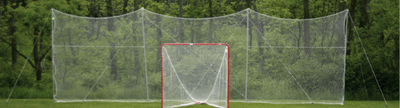
Backstops are big nets that go behind your goal so your misses don't fly far, far away. They save you time shagging balls so you get more reps, and you can let it rip without worrying about breaking anything. This guide covers the best backstops out there and what to think about when you pick one.
Coach's note: I've heard the stories from every corner of the lax world: the upstate New York kid who put three balls through the garage window in one summer, the Virginia Beach family whose neighbor started keeping the balls, and the Ontario box shooter who wore a path in the lawn chasing misses. A backstop pays for itself in saved balls, saved windows and twice the reps.
Heads up: BattleLax carries one backstop, the Warrior 10×30, which matches the size and specs of the XL Champion backstop on this list. For the others, it's the closest pick they stock, and you'll find the full list below.
I spent 10 hours analyzing backstops to find the 9 best. I looked at type, size, how hard they are to put together, how well they collapse, customer reviews and the frame and net materials. Below are 2 backstops that connect right to your goal and 7 that stand behind it, in a range of sizes.
"Alt" goes to the backstop BattleLax has in stock.
Best lacrosse backstop reviews
1. Smart Backstop for Lacrosse Goals, Gen 3 My #1 choice
Drip level5/5
TypeConnects to goal
Size14 ft wide x 10 ft tall
FrameNot listed, likely steel
NetHeavy-duty, UV-resistant 45-ply polyethylene
Shipping weight22 lbs
AssemblyMinutes, no tools
CollapsibilityFolds down behind the goal
Warranty1 year
If I were buying a backstop today, this is the one I'd get. The best part is that it connects right to the goal instead of standing on its own behind it, so balls are less likely to get past it.
It has a high-quality frame and a strong net, and it folds down behind the goal when you're not using it.
On the downside, it's lacrosse-specific, so it's harder to use for other sports like soccer.
Pros
Connects to the goal. I prefer backstops that attach to the goal. It cuts down on balls getting past when you ring the crossbar or miss badly.
Sturdy. It won't blow over in heavy wind or on hard shots, and it comes with an extra counterweight you can add.
Folds down behind the goal. When you're done for the day, it folds down so it takes up no more room than your goal.
Great reviews. It has the best customer reviews of any backstop on this list.
Great customer service. Buyers say Smart Sports Tek has been really helpful making things right.
Cons
Lacrosse only. It needs a lacrosse goal to work, so if you want to use it for soccer or basketball, get a behind-goal backstop.
May not work with very light goals. If your goal is really light, the backstop may be too heavy for it.
BattleLax pick: BattleLax doesn't carry the Smart Backstop for Lacrosse Goals, Gen 3. The backstop they stock is the Warrior 10×30 Lacrosse Backstop ($224.99), a 30 ft wide, 10 ft tall steel-frame net with a 2.5 mm net and stakes included.
AssemblyEZGoal says minutes, some buyers say it's tough
CollapsibilitySides fold in
Warranty1 year
If you want a backstop that attaches to your goal on a smaller budget, the EZGoal Monster is a good option. It's not as big as the Smart Backstop, but it does a decent job stopping misses.
On the downside, it's smaller than the Smart Backstop, the net tends to rip quickly, and assembly can be a pain.
Pros
Connects to the goal. Less chance of a ball getting by when you ring the crossbar or miss badly.
Folds in for storage. The sides fold in easily to save space.
Cons
Pretty small. It may not stop all your misses.
Net rips easily. A lot of buyers complain the net rips.
Tough assembly. It can be hard to put together, even with instructions.
BattleLax pick: BattleLax doesn't carry the EZGoal Monster Lacrosse Backstop. The backstop they stock is the Warrior 10×30 Lacrosse Backstop ($224.99), a 30 ft wide, 10 ft tall steel-frame net with a 2.5 mm net and stakes included.
3. Champion Sports Lacrosse Backstop Net (30 x 10 ft) Best XL
Drip level4.6/5
TypeBehind goal, XL
Size30 ft wide x 10 ft tall
Frame1.25" steel, T-bar construction
Net2.5 mm high-extension nylon
Shipping weight75 lbs
AssemblyUnder 30 minutes, snaps together
CollapsibilityCollapses and folds down quickly
WarrantyNot listed
This is the biggest backstop on the list at a ridiculous 30 ft by 10 ft. If you shoot from way out, at low angles or really hard, the huge surface area makes it a great pick.
Even with its size, it's pretty easy to break down and move, and an extra person or two makes setup and takedown a lot easier.
Pros
Huge. It's the biggest backstop here and should stop even the wildest shots.
Freestanding. Unlike some backstops, it doesn't need to be staked into the ground.
Collapsible and portable. Even this big, it collapses easily to move around the yard or take somewhere else.
Thick net. The net should hold up well.
Cons
Takes at least 2 people to set up. It's really tough to set up alone, so grab a parent or a buddy.
BattleLax pick: BattleLax's backstop, the Warrior 10×30 Lacrosse Backstop ($224.99), has the same 30 ft by 10 ft size, 1.25" steel uprights and 2.5 mm net.
4. Champion Sports Lacrosse Backstop Net (21 x 11 ft) Best large
Drip level4.8/5
TypeBehind goal, large
Size21 ft wide x 11 ft tall
FrameSteel ground frame, flexible composite bow poles
NetHigh-quality knotless netting
Shipping weight60 lbs
AssemblyMinutes, no tools
CollapsibilityFits into a travel bag
WarrantyNot listed
Another Champion backstop makes the list, this time the smaller (but still really big) 21 ft by 11 ft version. It's freestanding with a thick net like the XL, and it comes with a carrying case.
It's easier to assemble, set up and take down than the XL, and at 60 lbs, most players can carry it alone.
Pros
Large. It's the second-biggest backstop here and should stop your misses with no problem.
Freestanding. You won't need ground stakes to keep it up.
Rhino Flex technology. The net flexes on impact, which cuts down on rips and adds stability.
Easy setup. Really easy to set up, with no tools.
Portable. It collapses easily and comes with a bag.
Cons
Few reviews. There aren't many reviews online, so long-term durability is hard to judge.
BattleLax pick: BattleLax doesn't carry the Champion Sports Lacrosse Backstop Net (21 x 11 ft). The backstop they stock is the Warrior 10×30 Lacrosse Backstop ($224.99), a 30 ft wide, 10 ft tall steel-frame net with a 2.5 mm net and stakes included.
5. Lacrosse Scoop 20 x 10 ft Sports Backstop Best guarantee
Drip level4.8/5
TypeBehind goal, large
Size20 ft wide x 10 ft tall
FrameSteel frame, flexible vertical poles
NetNot listed
Shipping weight32 lbs
AssemblyUnder 10 minutes, one person
CollapsibilityCollapses easily, travel case included
Warranty100% satisfaction guarantee
The Lacrosse Scoop backstop is another big behind-goal net that should stop almost all your misses. It's easy to set up and break down and comes with a travel case. Unlike the Champion nets, you have to stake it into the ground, but that's easy to do.
Another big plus is the 100% satisfaction guarantee. If anything breaks or goes wrong, Lacrosse Scoop will make it right, and plenty of buyers mentioned that in their reviews.
Pros
Large. Big enough to stop most of your misses.
Easy setup. Takes minutes and one person.
Collapses easily. Takes minutes to take down, and it fits in the included case.
Good customer service. Buyers say the team was helpful and fixed issues fast.
Cons
Not freestanding. You need the 4 U-shaped stakes, though they take seconds to put in.
Metal base issues. Some buyers say the base rusts and breaks easily.
BattleLax pick: BattleLax doesn't carry the Lacrosse Scoop 20 x 10 ft Sports Backstop. The backstop they stock is the Warrior 10×30 Lacrosse Backstop ($224.99), a 30 ft wide, 10 ft tall steel-frame net with a 2.5 mm net and stakes included.
6. PowerNet 16 x 10 ft Sports Barrier Net Fastest setup
Drip level4.8/5
TypeBehind goal, medium
Size16 ft wide x 10 ft tall
FrameSteel frame, fiberglass bow poles
NetKnotless polyester, polyurethane coating
Shipping weight41 lbs
AssemblyA few minutes, no tools
CollapsibilityCollapses easily, travel case included
Warranty1 year on frame and composite parts
If you have less room or don't need a huge backstop, this PowerNet is a great option. It's medium-sized but should still stop most of your shots.
Out of the box, it goes together in a few minutes with no tools. It's easy to set up and take down and comes with a carrying case. The 1-year warranty on the frame and composite parts is nice in case anything goes wrong early.
Pros
Easy setup. One of the easiest and fastest to set up on this list.
Durable. Lots of buyers were impressed with how well it holds up.
Carrying case. Breaks down easily into a travel bag.
Cons
May need extra weight. You may have to weigh down the frame so it doesn't blow over or shift.
Net not covered. The warranty only covers the frame and composite parts, not the net.
BattleLax pick: BattleLax doesn't carry the PowerNet 16 x 10 ft Sports Barrier Net. The backstop they stock is the Warrior 10×30 Lacrosse Backstop ($224.99), a 30 ft wide, 10 ft tall steel-frame net with a 2.5 mm net and stakes included.
7. Rukket XL 16 x 10 ft Barricade Backstop Net Expandable
Drip level4.8/5
TypeBehind goal, medium
Size16 ft wide x 10 ft tall
Frame1" steel frame, flexible fiberglass poles
Net7-ply knotless
Shipping weight43 lbs
AssemblyUnder 15 minutes for most
CollapsibilityCollapses easily, travel case included
Warranty100% lifetime warranty
This is another medium-sized backstop if you don't have room for, or don't need, a bigger one.
What makes it stand out is that you can buy an extra backstop and connector if you ever want to make it bigger or change its shape. If you move to a spot with more room or want more coverage, just add another.
Pros
Easy setup and breakdown. Takes minutes and fits in a travel case.
Lifetime warranty. If anything breaks, you can get a replacement part.
Cons
Some frame issues. Some buyers say their frame broke.
May need extra weight. In strong wind or if you shoot really hard, you may need to weigh it down.
BattleLax pick: BattleLax doesn't carry the Rukket XL 16 x 10 ft Barricade Backstop Net. The backstop they stock is the Warrior 10×30 Lacrosse Backstop ($224.99), a 30 ft wide, 10 ft tall steel-frame net with a 2.5 mm net and stakes included.
8. Rukket 12 x 9 ft Barricade Backstop Net Best small
Drip level5/5
TypeBehind goal, small
Size12 ft wide x 9 ft tall
Frame1" steel frame, flexible fiberglass poles
Net7-ply knotless
Shipping weight24 lbs
Assembly15 minutes or less, one person
CollapsibilityCollapses easily, travel case included
Warranty100% lifetime warranty
This Rukket is a lot like the medium Rukket above, just a little smaller. It comes with a carrying case, and you can add another backstop and connector to make it wider or change the shape.
Pros
Collapses easily. Breaks down into the included travel case.
Lifetime warranty. If anything breaks, you can get a replacement part.
Cons
Small. As one of the smallest backstops here, some misses may get past it, especially off the crossbar.
BattleLax pick: BattleLax doesn't carry the Rukket 12 x 9 ft Barricade Backstop Net. The backstop they stock is the Warrior 10×30 Lacrosse Backstop ($224.99), a 30 ft wide, 10 ft tall steel-frame net with a 2.5 mm net and stakes included.
9. GoSports Portable 12 x 9 ft Sports Barrier Net Best budget
Drip level4.8/5
TypeBehind goal, small
Size12 ft wide x 9 ft tall
FrameReinforced steel bow frame
NetHigh-density polyester
Shipping weight24 lbs
AssemblyUnder 10 minutes, one person
CollapsibilityCollapses easily, travel case included
WarrantyLifetime warranty
The GoSports Portable is another smaller option for anyone who doesn't have the room for, or need, a big backstop. It's the cheapest backstop on this list but still has great reviews. It collapses easily and comes with a travel case.
Pros
Collapses easily. Breaks down into the included travel case.
Lifetime warranty. If anything breaks, you can get a replacement part.
Cons
Smaller. As one of the smallest backstops here, some misses may get past it, especially off the crossbar.
Some frame breaks. Some buyers say the frame broke within the first year.
BattleLax pick: BattleLax doesn't carry the GoSports Portable 12 x 9 ft Sports Barrier Net. The backstop they stock is the Warrior 10×30 Lacrosse Backstop ($224.99), a 30 ft wide, 10 ft tall steel-frame net with a 2.5 mm net and stakes included.
What to consider when choosing a lacrosse backstop
Still deciding? Here's what to think about before you buy.
1. Behind the goal vs. attached
Backstops that attach to your goal let fewer balls slip past, but you usually can't use them for other sports like you can with behind-goal backstops. If you only need one for lacrosse, I recommend an attached backstop. If you or your kids play other sports, a behind-goal backstop is the way to go and works just fine.
2. Size
How big a backstop do you need, and how much space do you have? If you shoot hard or take low-angle shots, think about a wider backstop. Anything 20 ft or wider should stop most lacrosse shots.
If you have a younger kid who doesn't shoot very hard, or you're short on room, a smaller backstop should be fine. Keep in mind a lacrosse goal is 6 ft wide, so a 10 ft wide backstop only covers about 2 ft on each side. Need a goal? See our best lacrosse goals and best portable goals.
3. Collapsibility
Are you leaving your backstop in the yard or wherever you practice, or moving it around a lot? If you're moving it, look for one that collapses easily and comes with a travel bag. In my opinion, the most important part is not having to reattach the net to the frame every time you set it up and take it down.
4. Assembly
Look for a backstop that isn't too hard to put together. Depending on how they ship, backstops can be really easy or really, really hard to assemble out of the box. Read reviews to get a sense of how tough it is. Speaking of which…
5. Customer reviews
It's important to read reviews (like I did for this guide) to get an idea of how durable and sturdy a backstop is, among other things. Real players' experiences will tell you a lot more than the company's marketing.
How we rate lacrosse backstops
We take our ratings seriously and only recommend gear we'd use ourselves. To rate each backstop, we test it ourselves whenever we can, dig into the specs (weight, materials and so on), and read reviews and talk to players we know who use it.
We can't get our hands on every backstop out there, but we try out as many as we can. When we test backstops, we mostly look at how easy they are to set up, how big they are and how well they hold up, plus whether the materials feel high quality. If you have feedback or want us to add a backstop, let us know!
Final thoughts
When I got my first backstop in high school, I was thrilled to stop shagging balls and worrying about hitting my neighbor's house. I'm confident a backstop will help you take your game to the next level, since you'll get more reps and can shoot as hard as you want.
I hope this guide helped you find the right backstop. If you have any questions, feel free to reach out. Here are some other training aids to go with it:
Prices and stock change, so check the product page before you order.
People also ask
What is the best lacrosse backstop?
Our top pick is the Smart Backstop Gen 3 because it attaches right to your goal. For a big behind-goal net, the 30 x 10 ft backstop is the biggest on our list, and BattleLax carries the Warrior 10×30 Lacrosse Backstop in that size.
How wide should a lacrosse backstop be?
For hard shooters or low-angle shots, go 20 ft wide or more. A lacrosse goal is 6 ft wide, so a 10 ft backstop only covers about 2 ft on each side.
Should I get a backstop that attaches to the goal or stands behind it?
Attached backstops let fewer balls slip by but usually only work for lacrosse. If you or your kids play other sports, a behind-goal backstop is more versatile.
Do lacrosse backstops need to be staked down?
Some are freestanding and some need stakes. Lighter nets may also need extra weight in wind or if you shoot really hard.
13 lacrosse meshes for every player, from ECD Hero and StringKing Type 5 to hybrid, big-diamond, goalie, women's and faceoff mesh, plus a mesh breakdown and what's in stock at BattleLax.
ADAnson Decker · Equipment · Updated October 22, 2026 · 18 min read
Lax Drip score5/5
Coach's pick: ECD Hero or StringKing Type 5. Both hold their shape, handle the weather and throw true. BattleLax has the Hero 4.0 and Type 5s and 5x in stock, plus full stringing kits.
We may receive a commission if you make a purchase through a link on this page about the best lacrosse mesh at no cost to you. This helps us keep this site free & we appreciate your support!
The way lacrosse gear has evolved has been amazing to watch. Shafts alone went from simple wood to advanced metals and carbon fiber.
Mesh may be easy to forget about, but it's gone through the same experimenting and upgrades as the rest of the game, and for good reason. As much as you think about the shape and strength of your head, it's the mesh that decides how your stick throws and how much hold you have.
This guide covers the best mesh out there so you can get your stick throwing perfectly. As with every LaxDrip guide, we scoured the market for the best of the best, looking at the design and tech, price and, most importantly, player feedback.
Coach's note: Every team I've coached, from upstate New York to Virginia Beach, had one kid who was the team's stick doctor, and the box guys up in Ontario take their pockets just as seriously as their sticks. Good mesh, strung right, is the cheapest upgrade in the game. A fresh pocket will do more for your passing than a $200 shaft.
Heads up: BattleLax carries ECD Hero 4.0, StringKing Type 5s and 5x, ECD Vortex, Jimalax, ECD goalie mesh and ECD women's mesh. For the rest, I point you to the closest mesh they stock, and you'll find the full list below.
ECD has built itself into one of the strongest names in mesh and a brand you can trust. Who knows more about weather-resistant, sturdy mesh than one of the OG wax mesh companies?
The Hero 3.0 comes in semi-soft and semi-hard and improves on ECD's earlier mesh by adding an Innegra core weave that cuts weight while adding rigidity. Basically, your pocket keeps its shape longer. The Repel+ coating helps too, shedding water so your mesh stays light and holds its shape like it would in dry conditions.
Textured LTH fibers give you better feel on the ball, so the pocket is more responsive and you feel more in control.
I'd twist myself into a pretzel trying to find a downside. It's highly rated across the board. It does run on the pricier side, but that's in line with most top-of-the-line mesh.
The Hero 3.0 is a great pick for a year-round player who needs mesh that holds its shape longer and stays steady in the wettest weather.
FeaturesTwistex for speed and consistency, light and durable
Another trusted name in the game, StringKing comes through with the Type 5, which improves on its industry-leading Type 4 mesh.
There are two versions of Type 5: "x," which is semi-hard, and "s," which is semi-soft.
Our favorite is the 5s, which has a bit more hold and feel since it's softer. That extra hold and feel brings a little more whip, so it's a good pick for outside shooters and shooting on the run.
The 5x doesn't have quite the same feel, but it still performs really well, with consistent passes and shots.
Compared to the Type 4, Type 5 has a tighter build thanks to Twistex technology, which means more consistency and more feel. It's also more durable than Type 4 (and almost any other mesh), so you can trust it in any weather.
Finally, all StringKing Type 5 mesh comes with a 6-month guarantee. If it rips, tears or otherwise becomes unusable, StringKing will replace it with store credit.
FeaturesProgressive width for control, Tri-Twist for less weight
Even with the Type 5 out, the Type 4 is still easily one of the best meshes out there.
It comes in the same two main versions as the Type 5, "X" (semi-hard) and "S" (semi-soft), plus "F" for faceoff guys.
The Type 4 is all about control, with a progressive build that uses mesh width to center the ball in your stick. Tri-Twist technology cuts weight and builds on the mesh's natural stretch, giving you ultimate control of the ball.
StringKing took its time getting to the Type 4, building on earlier mesh that saw action at the highest levels. This is mesh you can trust.
The main drawback, like the Hero 3.0, is price. It's in line with other top mesh but costs more than other options. StringKing also doesn't highlight any specific weather tech in the Type 4. That doesn't mean it can't handle weather, but there's nothing called out.
Players love StringKing mesh for its responsiveness and feel, and that's still true of the Type 4.
FeaturesSweetSpot pocket, weatherproof LTH fibers, square diamonds for whip
Leave it to ECD to push the limits. The Vortex was an answer to NCAA rule changes for mesh and pockets. It gives you some of the hold of a deeper pocket without breaking the rules.
The highlight is the progressive diamond shape, going from traditional diamonds to a wider square that forms the SweetSpot. That brings back a lot of the power and speed shooters lost with the rule change.
Don't let the odd look fool you. The Vortex strings up like regular 10-diamond mesh, so there's not much learning curve. Like the Hero 3.0, it uses weatherproof LTH fibers that hold your pocket shape longer in the wet.
The drawbacks? It's built mainly for attack-minded players and may not appeal to poles and defensive middies. It may lack the versatility you want if you're not always facing the cage.
It's also been around for a while, but it has real staying power, which makes it one of the more affordable options for attackmen and middies who want every bit of speed and power on their shot.
Pros
Holds like grip mesh but shoots clean
Harder, faster shots
Weather resistant
Strings like normal mesh
Cons
Unnatural feel for non-shooters
Older design
At BattleLax: In stock now, in semi-soft and semi-hard. Grab the ECD Vortex Mesh ($17.99) straight from BattleLax.
FeaturesCheapest mesh on this list, built for all weather
If you want cheaper mesh, look no further than the Ninjalax Sensei.
It's really similar to ECD's Hero 3.0 and StringKing's Type 4 at a fraction of the price. I found it pretty easy to string, and it feels a lot like those meshes.
I haven't had it happen myself, but a fair number of reviews say it rips faster than other meshes, and some say it's inconsistent from piece to piece.
Overall, if you want to save on mesh or a stringing kit, or you're a younger player who isn't worried about it ripping, the Sensei is a solid pick.
Pros
Very affordable
Weather resistant
Easy to string
Cons
Inconsistent batches
Reports of ripping quickly
BattleLax pick: BattleLax doesn't carry the Ninjalax Sensei Mesh. For cheap mesh they stock, go with the Jimalax Jima 10 Semi-Soft Mesh ($9.99).
7. StringKing Grizzly 2 Goalie Mesh Best goalie mesh
Lax Drip score5/5
Best forBest goalie mesh
Diamonds12
HardnessSemi-soft, semi-hard
FeaturesTri-Twist for control and stretch, light build, black or white
Don't think we forgot about you, goalies. StringKing jumps in again with the Grizzly 2 goalie mesh.
It brings over a lot of what makes the Type 4 great, including Tri-Twist technology that cuts weight.
More importantly, Tri-Twist adds give to the pocket, which soaks up the shot and cuts down on those dreaded rebounds you get from tighter, stiffer mesh.
It also has a responsive feel that makes the move from save to outlet smooth, so you can get your team out on the fast break.
There isn't much customer feedback on it yet, so keep an eye out for reviews on durability and performance. Like the Type 4, there's no weather tech called out.
Still, StringKing is a top brand putting out a high-end mesh for goalies at every level.
8. StringKing Type 4 Women's Lacrosse Mesh Best women's mesh
Lax Drip score5/5
Best forBest women's mesh
Diamonds10, hybrid sizes
HardnessSemi-soft
FeaturesMinimal break-in, weatherproof, bigger diamonds up top and smaller down low
With mesh legal in the women's game now, a lot of brands have released mesh built just for the girls' game.
Our top choice is StringKing's Women's Type 4 Mesh. It's built for women's heads, with bigger diamonds toward the scoop and smaller ones toward the throat to help form the perfect channel and pocket.
It's also weather resistant and has a minimal break-in, so once you string it and get used to it, it won't change on you.
If you're looking for girls' lacrosse mesh, the StringKing Type 4 Women's Mesh is an amazing option.
Pros
Minimal break-in
Weatherproof
Hybrid diamonds form a great pocket
Cons
A bit expensive
BattleLax pick: BattleLax doesn't carry the StringKing Type 4 Women's Lacrosse Mesh. For women's mesh they stock, go with the ECD Venom Women's Mesh Runner ($19.99), with a tapered diamond design that forms a natural SweetSpot.
FeaturesAbrasion-resistant coating, light and durable
I've been using the ECD Hero X faceoff mesh for the past month and saw a real bump in my faceoff win percentage. Compared to the Hero 2.0, the Hero X is much lighter and easier to handle.
ECD did a great job with the design. It's 10-diamond for quick passing, with a softer, thinner pocket that's great at the X. The outside columns are thicker and wider to prevent blowouts, and the sides barely showed any wear even after aggressive faceoffs.
My usual stringing patterns worked well, but I had to tighten the bottom string a little to keep the pocket from getting too deep. The mesh feels soft, and the ball moves in and out of the pocket easily.
The thinner weave in the middle lets the pocket go from faceoff to ground ball mode in a hurry, which makes it great for quick transitions, and it gives you clean releases out the back.
Pros
Variable weave thickness for flexibility
Durable and abrasion resistant
Soft, responsive pocket for quick ground ball releases
Cons
A little bagging on scoops
Needs tight stringing
Expensive
BattleLax pick: BattleLax doesn't carry the ECD Hero X Faceoff Mesh. For a soft ECD mesh for the X, go with the ECD Hero 4.0 Semi-Soft Mesh ($24.99).
The Jimalax Jima X 10 Diamond is one of the best meshes for attackmen and hard shooters. Its thick, textured weave forms a solid pocket for clearing passes without giving up control on checks.
I loved the tight weave and texture. It feels solid but not too thick, with a good balance of durability and flexibility. The texture adds grip that keeps the ball from popping out, so I could cradle easily in tight spaces and over wet grass.
The hydrophobic yarn makes it water resistant, so your pocket won't stretch out in a downpour, and the coating makes it really durable.
It does have an unusually long break-in, since it's a rigid mesh. If you like a softer, looser mesh, try a semi-soft like the Hero X. Still, the hard pocket isn't a dealbreaker for me because it holds its shape so well.
Pros
Holds its shape well
Weather resistant
Durable
Cons
Long break-in
Not good for beginners
BattleLax pick: BattleLax doesn't carry the Jimalax Jima X 10 Diamond Lacrosse Mesh. For a firmer mesh that holds its shape, go with the ECD Hero 4.0 Semi-Hard Mesh ($24.99). Want Jimalax? BattleLax has the softer Jimalax Jima 10 Semi-Soft Mesh ($9.99).
FeaturesFiber 3 system, Hex Diamond III layered material, weather-protecting coat
I strung up the Fiber 3 a few months back, and it's one of the most consistent meshes I've worked with. There's minimal break-in right out of the package, so it's a good pick for beginners and intermediate players.
The dual-fiber build makes the pocket feel lighter and more responsive. At only 19 grams, it handles quickly, and you notice it moving the ball or pushing in transition.
The ball doesn't bounce or rattle in the pocket, so it's easy to snag passes in tight spots. The included sidewall strings aren't great, though. The ends don't burn evenly, which makes them tricky to thread through tight holes, and I had one string's core pop through and kink. I'd pair the mesh with ECD or StringKing strings.
The 17mm Hex Diamond III design is durable, and I haven't seen any bagging yet. It holds its shape after multiple games and performs the same in any weather.
Pros
Doesn't lose its shape
Semi-hard for sharpshooters
Consistent release
Cons
Pricier than other premium mesh
Included laces and shooters aren't great
BattleLax pick: BattleLax doesn't carry the Throne Fiber 3 Lacrosse Mesh. For a consistent semi-hard mesh they stock, go with the StringKing Type 5x Semi-Hard Mesh ($29.99).
The StringKing Type 5s has just the right balance of softness and structure. It gives more than harder meshes but holds the ball strong, which is perfect for cradling and quick passes. It feels lighter than the 5x, which gives me better control dodging defenders.
Twistex technology is another standout. The twisted yarn gives excellent ground ball control, and I felt more connected to the ball on every catch and pass.
Even though it's soft, the resin coating keeps its shape over time. It held up to aggressive catching without tearing at the edges.
The 5s has better grip than the 5x, but it's too soft for players who like a firmer pocket for quicker releases. If that's you, try the 5x. StringKing also backs it with a 6-month guarantee.
13. StringKing Type 5x Semi-Hard Mesh Best semi-hard
Lax Drip score4.8/5
Best forSemi-hard
Diamonds10
HardnessSemi-hard
FeaturesTwistex yarn, rigid coating, light
The Type 5x semi-hard mesh is really consistent and rigid. Every pass, shot and cradle felt the same, no matter the weather, even after six months. It gave me a quick, snappy release that's perfect in transition and shooting on the run.
The stiffness made cradling in traffic harder than with softer meshes like the 5s, though. If you're an attackman or you cradle one-handed a lot, try a semi-soft like the ECD Hero 4.0 Semi-Soft.
Like the 5s, it has Twistex yarn for better durability than Type 4, and plenty of my fellow attackmen praise how long it lasts. The pocket is responsive, doesn't pop the ball out on checks, and strings up easily and consistently.
The resin treatment keeps it from warping, but I noticed slight wear on the sidewalls after heavy use. The 6-month guarantee is a solid backup. It also has less grip, and I saw a little shot spread after the break-in. Otherwise, it's remarkably durable and doesn't lose its shape.
As much as we'd love for mesh to just stick inside a head by itself with the perfect pocket, we don't live in Neverland. To get your new mesh game ready, you'll need:
Top and bottom strings
Sidewall strings
Shooting strings
Even though we list them separately, you can use the same string for a lot of it. Nylon sidewall string has become a catch-all for stringers. It works for the top and bottom, the sides and even as a nylon shooter.
I'd grab extra string even if you start with a kit. Sidewall strings are usually the first thing to break in a pocket, so having extra on hand is a great fail-safe. You can even use it to patch holes in your goal net. The same goes for shooters. Besides breaking, they wear out with use, so keep them fresh, especially if you play in bad weather a lot.
The ECD Hero Strings ($14.99) kit has sidewalls, shooters and a bottom string in one pack, so you're covered.
Types of lacrosse mesh
For a long time, mesh was seen as a pretty standard part of the game that didn't change. Brands like ECD and StringKing have challenged that, pushing mesh forward in durability, weight and, more recently, feel beyond just hardness.
Your pocket can be the Golden Gun you wield on the field or your Achilles' heel. It all comes down to personal preference, which you find through trial and error, so don't be afraid to experiment. That said, some positions do favor certain mesh. FOGOs should look at soft mesh since it handles the abuse at the X better. Here's how to break down your options. For a deeper dive, check out our hard mesh vs. soft mesh guide.
Hardness
This is usually listed first and the top thing to consider. Mesh used to be split into hard or soft, but brands like ECD and StringKing pushed semi-soft and semi-hard into the mainstream, giving you the best of both ends without leaning too hard into their weaknesses.
Hard: The big plus is consistent shape and hold. The ball should always sit centered, and your pocket keeps its shape no matter the weather. The catch is it's harder to string, gives you less feel and takes a lot longer to break in.
Soft: Right out of the gate, soft mesh should be game ready after an easy string job, since it doesn't have the rigid coating of hard mesh. You get better feel, but it loses its shape faster and needs constant upkeep.
Semi-hard: A lot like hard mesh but easier to break in, with a little better feel. A great pick for poles, especially LSMs, and defensive middies.
Semi-soft: Closer to soft mesh, but it holds its shape better and stands up to bad weather. A great pick for offensive middies.
Diamond count
Simply put, this is how many diamonds run across your pocket. Rule of thumb: fewer diamonds mean more hold, while more diamonds mean a cleaner shot and pass.
10-diamond is the standard. Most pre-strung heads use it, and it's the easiest to find, mainly because of how accurate it is passing and shooting. Winning on the field comes down to quick ball movement, and 10-diamond is built for that.
8-diamond is the closest to the Vortex (though the Vortex is a 10-diamond base with a wider SweetSpot). It's a hybrid of traditional 10-diamond and bigger 6-diamond mesh, so you get more hold with a fairly clean release.
7-diamond, or "mid-monster," is the first mostly hold-focused mesh, familiar from older Brine mesh. It's a decent pick for transition middies who dodge box to box.
6-diamond is the most popular big-diamond mesh. It's harder to break in, but the hold is great once you do. You get a lot more whip, and these pockets are less customizable, especially for shooters.
5-diamond puts hold over release, which makes it an interesting option for an experimental LSM who carries the ball end to end a lot.
4-diamond is much less common and mostly shows up as the core of a traditional pocket for the old-school guys channeling the originals with leather strings.
Coating and finish
Mesh has always had some kind of coating, usually wax, to cut friction in the pocket, help it hold its shape and keep moisture out of the weave. Brands like ECD and StringKing use advanced coatings that add feel and grip on top of all that.
Weave and thickness
This is the most basic level of mesh tech, but the weave matters a lot. ECD and StringKing both push their own weaves because that's where they've cut weight and added feel and responsiveness. Hand in hand with the weave is thickness. Thinner weaves can add stretch and give you more control of where the ball sits.
Stringing kits vs. single pieces of mesh
The last question on your mind may be, "Should I get a stringing kit or buy mesh and strings separately?" It comes down to how much you want to spend, how many sticks you string and how much upkeep you plan to do on your pocket.
A stringing kit is always a solid pick for a newer player or anyone who has never strung a stick. It's like paint by numbers, a good way to learn without breaking the bank or getting stuck with a spool of nylon if you hate it. It comes with everything you need, like a pre-made salad kit, so it's not a bad option if you only have one stick. Try the ECD Hero 4.0 Complete Kit ($34.99) or the StringKing Type 5x Semi-Hard String Kit ($39.99).
If you know how to string and see yourself doing it again and again, whether for upkeep or multiple heads, buy single pieces of mesh and stock up on string and shooters. Long term, it's a much better investment, and it can turn you into the team stick doctor. That might be a blessing and a curse.
Learning how to string lacrosse sticks
Stringing your own stick is a great skill. Being able to experiment with your string job and adjust your pocket mid-game is huge. Here are some of my favorite resources:
ECD's stringing tutorial playlist (YouTube)
How to String a Lacrosse Stick from Powell Lacrosse (YouTube)
Stringing a Goalie Stick from STX (YouTube)
Stringing a Women's Lacrosse Head with Mesh from STX (YouTube)
Prices and stock change, so check the product page before you order.
People also ask
What is the best lacrosse mesh?
Our top picks are ECD Hero mesh and StringKing Type 5. BattleLax carries the newer ECD Hero 4.0 in semi-soft and semi-hard, plus StringKing Type 5s and 5x.
Should I get hard or soft lacrosse mesh?
Harder mesh holds its shape and stays consistent but takes longer to break in. Softer mesh gives you more feel and is game-ready faster but loses its shape sooner. Semi-hard and semi-soft split the difference, which is why most players use them.
What diamond count is best for lacrosse mesh?
10-diamond is the standard and gives you the cleanest passes and shots. Fewer, bigger diamonds like 6 or 7 give you more hold and whip but are harder to break in.
What mesh is best for faceoffs?
FOGOs should use soft or semi-soft mesh, like the ECD Hero X faceoff mesh, because it handles the abuse at the X and moves quickly from faceoff to ground ball mode.
Should I buy a stringing kit or mesh and strings separately?
A stringing kit is great if you're new to stringing or only have one stick. If you string a lot or keep up multiple sticks, buy mesh and a spool of sidewall string and shooters separately.
9 rib and kidney pads for box and field, youth to adult, with specs, pros and cons, sizing and the pads you can order today at BattleLax.
ADAnson Decker · Updated October 22, 2026 · 12 min read
LaxDrip is reader supported. When you buy through links on this page we may earn a commission at no extra cost to you. How we review.
You don't need me to remind you that lacrosse is a contact sport, but it's also one of the fastest games on two feet.
Finding the balance between protection and speed is tough, and you'll find yourself exposed in certain spots. Luckily, you can add extra gear on top of the required pads to stay safe.
Two pieces of optional gear are rib pads and kidney pads. They protect you from painful rib and kidney injuries that happen when you take a shot or a slash to the midsection. This guide covers the best rib and kidney pads out there and what to think about before you buy.
Coach's note: Anybody who's played box in Ontario knows what a cross-check to the kidneys feels like, and the summer box leagues in upstate New York and Virginia Beach aren't much gentler. On the field, it's the slash that slides under your shoulder pads. A good rib or kidney pad means you take the hit and keep going instead of doubling over in the crease.
Rib pads vs. kidney pads
Rib pads and kidney pads are really similar, but there are some big differences in how they work and what they cover.
In short, rib pads give you more mobility with less protection, which makes them great for field. Kidney pads give you more protection with less mobility, which makes them better for box.
Both are on our list since you can technically use either one in field or box, but we list a recommended primary use for each. As always, we scoured the market for the best rib and kidney pads, looking at specs, price and player feedback.
Note: Rib pads go out of stock a lot online, or many sizes sell out. Check the BattleLax rib protection collection to see what's in stock now.
A price goes to the pad on BattleLax. "Alt" goes to the closest pad BattleLax has in stock.
Best lacrosse rib pad and kidney pad reviews
1. STX Stallion 200 Lacrosse Rib Pads Best overall
A low-profile, 360° youth rib pad that works in box and on the field.
Best for Box & fieldAges YouthDrip 5/5
The Stallion 200 rib pads are a great low-profile option from STX that works right alongside a youth player's shoulder pads.
You get 360° coverage, with hard plastic at the key impact spots to soak up the hits and checks that could easily sideline you. Adjustable straps let you dial in the fit for how you move and how it feels.
The only drawbacks are a little exposure around the belly and that it's an older pad.
Otherwise, the Stallion 200 is a great pick for youth players who split time between field and box.
Who it's for: Youth players who split time between field and box.
BattleLax pick: BattleLax doesn't carry the STX Stallion 200 Lacrosse Rib Pads. For a light, low-profile pad that covers youth through adult, go with the Gait Command 3 Kidney Pads ($69.99).
2. Epoch Integra X Box Lacrosse Kidney Pads Best box kidney pad
Full wrap-around box protection with an extra abdominal pad.
Best for BoxAges Youth to adultDrip 4.9/5
The Epoch Integra X is a great option for any box player who wants extra kidney protection.
Built-in Phase Change Technology moves heat off your torso so moisture doesn't build up. That liner also houses the thermoplastic shells and foam that take the brunt of every cross-check.
A continuous wrap-around torso pad leaves no gaps across your midsection, and the extra abdominal piece makes 360° coverage actually mean 360°.
The catch is a bulkier profile than other pads, and it's one of the pricier pads on our list.
But hey, if you have the cash and want full torso protection, the Integra X is a great add-on to your main pads.
Key features: Phase Change Technology for moisture control · Thermoplastic shells and foam · Removable abdominal pad
Pros
Extra abdominal protection
Continuous wrap-around padding
Targeted padding at key impact zones
Cons
Bulkier than other options
On the expensive end
Who it's for: Box players who want full torso protection and don't mind a bit of bulk.
BattleLax pick: BattleLax doesn't carry the Epoch Integra X Box Lacrosse Kidney Pads. For a premium kidney pad with reinforced plastic panels, go with the Maverik Max Kidney Pad ($84.99), built for box and field.
3. Under Armour Spectre Kidney Pad Lightest kidney pad
Triple-density foam kidney pad that keeps a low profile.
Best for BoxAges Youth to adultDrip 4.8/5
Under Armour jumps in with the Spectre Kidney Pad, a great choice for box players looking to protect their vital organs.
Triple-density foam gives you the protection you expect from a kidney pad without the weight of heavier materials. That keeps it low profile, so you get protection and flexibility.
The knocks: the front pads may leave your upper ribs a little exposed, and the newer foam doesn't have much feedback yet on durability.
Still, the Spectre is a great option for box players who want peace of mind when they eat a stray check to the body.
Key features: "Molded Skin" technology · HeatGear for moisture control · High-impact triple-density foam · Fully adjustable straps
Pros
Low profile for protection and flexibility
Light
Dense, strong foam
Customizable fit
Cons
Foam durability unproven
Some upper rib exposure
Who it's for: Box players who want kidney protection that stays light.
BattleLax pick: BattleLax doesn't carry the Under Armour Spectre Kidney Pad. For an ultra-thin, low-profile kidney pad with a molded shell, go with the Gait Command 3 Kidney Pads ($69.99).
4. Warrior Fatboy Box Lacrosse Rib Pad Best box rib pad
A no-frills thermoplastic wrap with an ultra-low profile for box.
Best for BoxAges Youth to adultDrip 4.8/5Price $69.95
Warrior's Fatboy brings a streamlined, no-frills build to the rib and kidney pad market.
It uses tough thermoplastic padding at key impact zones that's as durable as regular plastic shells but lighter. Strategic break and fold points let it wrap all the way around without getting in your way.
The clip system and low-profile mesh shoulders stand out. They're reliable without the extra bulk of other pads.
The biggest knock used to be price, since it was one of the pricier pads out there. It's also newer than most, so there's less feedback on how it holds up.
Overall, the Fatboy is a really solid pick for extra protection, especially for older box players who want an ultra-low profile under their main gear.
Key features: Super-tough thermoplastic shell · Easy clip system · Break and fold points for full wrap coverage
Pros
Thermoplastic shell at key impact zones
Durable, easy, secure clip system
Mesh shoulders you barely notice
Cons
Pricier than some
Less long-term feedback
Who it's for: Older box players who want protection without the bulk.
At BattleLax: In stock now. Grab the Warrior Fatboy Lacrosse Rib Guards ($69.95) straight from BattleLax, in sizes from youth XS to adult large.
5. Warrior Fatboy Next Youth Box Lacrosse Rib Pad Best youth box pad
The Fatboy, sized and priced for young box players.
Best for BoxAges YouthDrip 4.8/5
Another Warrior pad here with the Fatboy Next Youth, built specifically for young box players.
This version of the Fatboy has plastic and foam padding for more protection while staying comfortable and flexible. The easy clip system keeps it out of the way and makes it easy to adjust as your player grows.
As adjustable as it is, your player will outgrow it as they move up levels. The main midsection pad is also pretty rigid, which can leave a little exposure up top.
Still, the youth Fatboy is a solid entry-level rib pad at about half the price of the adult version, and worth a look for any young box player.
Key features: Durable plastic and high-density foam shell · Mesh shoulder straps · Easy clip system
Pros
Built and sized for young players
Fitted plastic and foam for protection and comfort
Easy to adjust as players grow
Cons
Players will outgrow it
Rigid midsection may limit mobility
Who it's for: Young box players who need protection that adjusts as they grow.
BattleLax pick: BattleLax doesn't carry the Warrior Fatboy Next Youth Box Lacrosse Rib Pad. The Warrior Fatboy Lacrosse Rib Guards ($69.95) at BattleLax comes in youth XS and adult XS, so it fits young box players too.
6. Epoch iD X Lacrosse Kidney Pads Best value kidney pad
Most of the Integra's protection for less cash.
Best for BoxAges Youth to adultDrip 4.6/5
The Epoch iD X is a toned-down version of the Integra, but it has a lot of the same features.
A slimmer profile and adjustable straps make it much less bulky and really comfortable. Continuous padding and angled edges across the front give you a solid area of protection backed by thermoplastic and foam.
But the transitions between pads can leave small gaps in coverage, and it doesn't have the Integra's abdominal pad.
Still, if you liked the Integra but the price was a little too high, the iD X is a great way to save some cash.
Key features: Phase Change Technology for moisture control · Thermoplastic shells and foam · Adjustable strap system
Pros
Continuous padding across the front
Customizable fit
Extra padding at key impact zones
Cons
Possible gaps between front and side pads
No abdominal pad
Who it's for: Box players who liked the Integra X but want to save some money.
BattleLax pick: BattleLax doesn't carry the Epoch iD X Lacrosse Kidney Pads. For a lighter, cheaper kidney pad, go with the Gait Command 3 Kidney Pads ($69.99).
7. Maverik Rome Lacrosse Rib Pad Best field rib pad
A ventilated, flexible rib pad built for the field game.
Best for FieldAges Youth to adultDrip 4.6/5
Back to the field game with the Maverik Rome rib pad, another option for every age.
Stretchy material between closely spaced pads gives you a solid wall of coverage, and the adjustable suspenders let you customize the fit.
For comfort, it's heavily ventilated from the foam to the liner, so you stay dry.
The downside of those closely spaced pads is a wider, bulkier fit. The pads are also narrow, so there's less top-to-bottom coverage.
Even so, if you want a rib pad mainly for the field, you can't go wrong with the Rome.
Key features: Stretchy material for flexibility · Adjustable elastic suspender straps · Ventilated foam and QuikDry lining
Pros
Closely spaced pads
Customizable fit
Heavily ventilated
Cons
Wider, bulkier fit
Less top-to-bottom coverage
Who it's for: Field players of any age who want extra rib coverage.
BattleLax pick: BattleLax doesn't carry the Maverik Rome Lacrosse Rib Pad. For a Maverik torso pad that works for field and box, go with the Maverik Max Kidney Pad ($84.99).
8. Brine Youth Uprising II Lacrosse Rib Pad Trusted youth pad
Overlapping segmented pads from a trusted name for young players.
Best for FieldAges YouthDrip 4.5/5
Brine offers the Youth Uprising II rib pad for extra protection for your young player.
It uses multiple segments of padding for a flexible fit, layered so there are no gaps in protection.
The big knock is age. It's a much older model, so it uses softer foam that doesn't match the quality of newer pads.
Still, if you want a trusted name and a pad that protects without weighing down your young player, the Uprising II is a solid pick.
Key features: Multiple pad breaks for mobility · Adjustable straps
Pros
Overlapping pads leave few gaps
Customizable fit
Cons
Much older model
Soft foam rather than stiffer material
Who it's for: Young field players who need light extra protection.
BattleLax pick: BattleLax doesn't carry the Brine Youth Uprising II Lacrosse Rib Pad. For a light, affordable youth rib pad, go with the Maverik Charger Rib Pad ($24.98).
The cheapest, simplest rib pad for the youngest players.
Best for FieldAges YouthDrip 4.5/5Price $24.98
Maverik looks out for the youngest, smallest players in the game with the Charger rib pad.
It has adjustable hook-and-loop straps that lock the pad in place, which makes it a solid choice for young players to grow into. It covers the ribs and lower back and fits under shoulder pads or a jersey.
The catch is the narrow protection area. Even for a young player, it doesn't give quite enough coverage, and the soft foam is a bit dated.
If you don't want to break the bank and want a decent add-on for your young player on the field, the Charger checks the boxes.
Key features: Adjustable hook-and-loop closure · Flexible material that doesn't limit movement
Pros
Cheapest pad on this list
Adjustable fit
Built for young players
Cons
Least protection on this list
Soft foam
Who it's for: The youngest field players and families on a budget.
At BattleLax: In stock now. Grab the Maverik Charger Rib Pad ($24.98) straight from BattleLax.
We know there are options beyond our list, so here's what to think about if you go off the board to find a rib or kidney pad.
Box or field? The big difference is need. Box takes extra protection because of the intensity and the close-quarters contact in a smaller space, so box players should look at rib and kidney pads to cut down on injuries. For field players, they're less of a must. There's less contact, but rib injuries can always happen. Youth players, anyone who wants extra peace of mind and anyone with a history of rib injuries should definitely look at adding one.
Comfort and flexibility. Don't underestimate it. Nothing is worse than clunky pads, especially gear you aren't even required to wear. Look at how the pad pieces connect to see what fits your torso best, and look for adjustable vertical and cross straps.
Durability. Your ribs take fewer hits than your arms and shoulders, so rib pads usually see less wear. That doesn't mean durability doesn't matter. Suspender buckles, Velcro straps and add-on pieces tend to break down first. Beyond reviews, check the stitching, lining and overall layout for clues about quality. Price and brand are your next best clues. Well-known brands like Warrior, Maverik, Gait, STX and Epoch are always good bets.
Breathability. Moisture-wicking liners and mesh connectors make a big difference in comfort, especially in the heat, so you're not weighed down by sweat late in the game. They also help cut down on that dreaded gear smell.
Customer reviews. We can't stress this enough. Plenty of players wear rib or kidney pads even though they aren't required, and their feedback will likely answer your questions, from how a pad fits to how well it protects. Read or watch as many reviews as you can, and pay it forward by leaving your own.
Budget. Rib pads are an add-on, so you probably don't need to break the bank, especially with so many good options at a fair price. Since not every player wears them, they go on sale more often, so keep an eye out for deals.
Lacrosse rib pad size chart
Here's an estimated rib pad size chart. Always check the brand's chart for the specific pad you're buying to make sure you get the right size.
We take our ratings seriously and only recommend gear we'd use ourselves. To rate each pad, we test it ourselves whenever we can, dig into the specs (weight, materials and so on), and read reviews and talk to players we know who use it. If you have feedback or want us to add a pad, let us know!
Rib and kidney pads in stock at BattleLax
Want a pad you can order today? These are the rib and kidney pads BattleLax carries right now.
Prices, sizes and stock change, so check the product page before you order.
Frequently asked questions
Do you need rib pads for lacrosse?
They're optional, not required. Box players should strongly consider them because of the close-quarters contact. Field players, youth players and anyone with a history of rib injuries can wear them for extra peace of mind.
What is the difference between rib pads and kidney pads?
Rib pads give you more mobility with a little less protection, which makes them great for field play. Kidney pads give you more protection with a little less mobility, which makes them better for box.
What are the best lacrosse rib pads for box?
The Warrior Fatboy is our top box rib pad, and BattleLax carries it in sizes from youth XS to adult large. The Epoch Integra X is our top box kidney pad.
What size rib pad do I need?
Most rib and kidney pads are sized by chest measurement or weight. For example, the Gait Command 3 runs XS under 70 lbs, small 70 to 90 lbs, medium 90 to 130 lbs and large 130+ lbs. Always check the brand's chart.
What are the best youth lacrosse rib pads?
The STX Stallion 200 is our top youth pick. At BattleLax, the Maverik Charger is the most affordable youth rib pad, and the Warrior Fatboy comes in youth sizes for box.
6 NOCSAE ND200 goalie chest protectors for adult, youth and budget keepers, rated on protection, mobility and fit, plus what the ND200 standard means and the pads you can order today at BattleLax.
ADAnson Decker · Equipment · Updated October 22, 2026 · 10 min read
Drip level5/5
Coach's pick: the STX Shield 600 for its big floating chest plate and free arms. Want one you can order today? BattleLax has the Maverik Shift EKG, Warrior Nemesis and Unequal CC for adults, plus the MX EKG for young keepers.
We may receive a commission if you make a purchase through a link on this page about the best lacrosse goalie chest protectors at no cost to you. This helps us keep this site free & we appreciate your support!
When shots come in at over 100 mph, a chest protector isn't just another piece of goalie gear. It's the difference between walking off the field and getting carted off.
Lacrosse chest protectors guard the vital organs that are in the line of fire every time someone winds up. A good one has a solid padded surface that protects you without adding weight that slows you down.
This guide covers the NOCSAE ND200 standard and the best goalie chest protectors that meet it. We researched the market to find the best options out there.
Coach's note: I've coached keepers from upstate New York to Virginia Beach, and the box goalies up in Ontario are a different breed altogether. Every one of them will tell you the same thing: you can't stop what you're flinching from. A chest protector you trust is what lets you step into the shot instead of bailing on it. Don't cheap out here.
Heads up: BattleLax carries the Maverik MX EKG and Warrior's current Nemesis chest pad. For the others, I point you to the closest pad they stock, and you'll find the full list below.
"Buy" goes to the pad on BattleLax. "Alt" goes to the closest pad BattleLax has in stock.
Best lacrosse goalie chest protector reviews
1. STX Shield 600 Chest Protector Best overall
Drip level5/5
LevelAdult
Chest plateFloating, for freedom of movement
ProfileLow, for flexibility and mobility
SidesStretch zones to free your arms
ExtrasAdjustable straps, removable stomach pad
The ND200-compliant STX Shield 600 gives you peace of mind with more than just a big brand name.
A large floating chest plate guards your vitals without getting in the way of the moves you need to make in the cage.
Soft stretch zones along the sides give your arms full range for that quick high-to-low save, and you won't think twice about stepping out of the crease to start the clear.
Adjustable straps let you dial in the fit, and a removable stomach pad adds about a third more coverage if you want it.
There's really no major knock on the Shield 600. Our resident goalie, Dan, has worn it for the past few years with no complaints. He says he can't imagine switching any time soon.
Pros
Built for mobility
Large protection area
Removable stomach pad for extra coverage
Cons
Sizing may run small
BattleLax pick: BattleLax doesn't carry the STX Shield 600 Chest Protector. For a low-profile, NOCSAE-certified chest protector built for mobility, go with the Unequal Goalie CC Chest Protector (From $159.95), designed with goalie Brian Dougherty.
2. Maverik Max EKG Goalie Chest Pad Best top-half coverage
Drip level5/5
LevelAdult
DesignProgressive, for mobility without bunching
PaddingExternal Kardiac Guard (EKG), NOCSAE ND200
MaterialQuickDry to wick away moisture
Maverik has found its niche in the goalie market with position-specific gear like gloves, and now chest protectors with the Max EKG.
The Max EKG uses its namesake External Kardiac Guard padding to reinforce chest coverage and meet the ND200 standard. Goalies love how locked down the top half is on those wayward high shots.
The progressive design, a rounded teardrop shape, frees up your arms while covering the key vital areas up top and maximizing coverage down low.
Now the bad. In Maverik's war on pad bunching, they made a pretty stiff pad that moves as one piece. On quick upward moves, it can knock into your helmet.
Some goalies also question the padding on the bottom half. Take one in the stomach and you may be catching your breath.
Pros
Built for arm mobility
Battle-tested EKG padding
Cons
Stiff, moves as one piece
Thinner bottom half
BattleLax pick: BattleLax doesn't carry the Maverik Max EKG Goalie Chest Pad. For Maverik's EKG protection in a two-piece pad built to cut down on bunching, go with the Maverik Shift EKG Goalie Chest Pad ($149.99).
3. Warrior Nemesis Pro Chest Pad Most customizable
Drip level4.8/5
LevelAdult
Chest plateImpax foam for reinforced protection
BuildThree-piece, for mobility
FitAdjustable to favor protection or flexibility
Warrior jumps in with the Nemesis Pro chest pad.
It uses Warrior's proven Impax foam to spread out the impact of a shot and cut down on damage.
The three-piece build is the real highlight. Removable side and bottom pieces let you customize the fit and choose protection or mobility, depending on what you like.
The catch is coverage. Even with all the pieces in, it runs a bit short for goalies with long torsos, and the outer chest coverage is a little light, which can leave broad-shouldered keepers exposed. Some goalies also mention a break-in period.
Pros
Built for mobility
Proven Impax foam
Customizable padding
Cons
Light outer chest coverage
Break-in period
At BattleLax: BattleLax carries the current Warrior Nemesis Goalie Chest Pad ($139.99), with the same Impax foam chest plate and a customizable shoulder cap.
Maverik's MX EKG is a dialed-back version of the Max, built for younger beginner and intermediate goalies who don't need the bulkier protection of the higher levels.
Like the Max, it's all about mobility with its teardrop design, and it uses the same trusted EKG padding, giving you elite-level protection at an entry-level price.
Unfortunately, like the Max, it moves as one solid piece, which can shift around in ways that throw you off.
The bottom half covers more area, but some goalies would like more padding there.
Overall, it's a great chest protector for any young player trying their hand between the pipes without breaking the bank.
STX offers a more affordable take on the Shield 600 with the Shield 400. It has a lot of the same protection and mobility features at nearly half the price.
Like the 600, you can add or remove padding at the shoulders and bottom, and adjustable straps let you dial in the fit.
The downside is durability on the removable pieces. What holds them in place tends to wear out quickly, and they don't fit as smoothly as the main chest plate.
Still, the Shield 400 is a great chest protector for a young goalie that won't hit your wallet too hard, without giving up STX quality.
Pros
Customizable fit
Cheaper than the Shield 600
Built for flexibility and mobility
Cons
Removable pieces wear out
Smaller coverage area
BattleLax pick: BattleLax doesn't carry the STX Shield 400 Chest Protector. For an affordable, ND200 youth pad with an adjustable fit, go with the Maverik S27 MX EKG Goalie Chest Pad ($99.99).
STX goes even cheaper with the Shield 200. It keeps the same basic design as its bigger brothers, with scaled-down materials to match the price.
It's one of the most affordable chest protectors out there and great for a young goalie just starting out. You won't bat an eye when your kid outgrows it.
The knock is materials. Engineered foam is swapped for hard plastic that meets the NOCSAE standard but may not spread out impact as well. It also has a much narrower frame, so there's less coverage.
Pros
Very affordable
Highly adjustable fit
Cons
Narrow coverage
Cheaper padding
BattleLax pick: BattleLax doesn't carry the STX Shield 200 Chest Protector. For an affordable chest pad for a first-year goalie, go with the Maverik MX EKG Goalie Chest Pad 2026 ($99.99).
In a big move for goalie safety, USA Lacrosse (then US Lacrosse) started requiring chest protectors that meet the NOCSAE ND200 standard at every level beginning in 2022, and high school (NFHS) rules require them too.
ND200 isn't a design change. It's a measure of protection, aimed at reducing the impact forces that raise the risk of commotio cordis, a cardiac arrest caused by a blow to the heart area.
ND200-compliant products are certified by the Safety Equipment Institute (SEI) and should have the NOCSAE Lacrosse label on the tag. Look for that label on the packaging of any chest protector you buy, too.
Goalie chest protector buying guide
Beyond our list, here's what to think about so you can make a smart call on a pad we didn't cover.
1. Protection
It's in the name, so it's the most important factor. Think about two things: padding and coverage.
Padding took a big leap forward with ND200, with extra reinforcement around the sternum and center of the chest. A lot of high-end pads use foams with fancy names that spread out the force of a shot.
Coverage is next. Does the pad cover your vitals, and how long and wide does it go? That depends a lot on your body type. A goalie with a long torso, for example, needs coverage down low.
2. Comfort and flexibility
As always, comfort and flexibility are huge. Feeling protected doesn't matter much if you can't make the moves you need to in the cage.
A lot of pads have adjustable straps at every fit point (shoulders, ribs, waist and back), and removable pieces let you customize this generation of pads to how you play.
Also think about how stiff the center padding is. Some pads bunch up when you move, and others are so stiff they give you an uppercut every time you go up for a high shot. Bigger keepers can usually live with a stiffer pad, while bunching bothers smaller goalies less. Keep your body type front and center when judging comfort.
3. Durability
We always want gear that lasts season after season. Look at the quality of the straps and what connects them, and how much the removable pieces rely on Velcro. Those are usually the first spots to break, so any doubts there should give you pause. Trust your gut if the construction or material feels cheap.
4. Breathability
You need a pad that won't soak up sweat or rain over a game. The last thing a goalie needs is to carry around a 20-pound sponge for four quarters. Some pads list moisture-wicking tech, like Maverik's QuickDry, which is definitely worth looking for.
5. Customer reviews
Like we say for every product we cover, do your own homework and read reviews. Other goalies are a great resource for judging durability and comfort, and they can help you avoid problems you'd never see in a product listing. Then pay it forward and review the pad you end up with.
6. Budget
Like we covered in our goalie gloves buying guide, position-specific gear costs more, and chest protectors are no different.
It may be hard to find one that fits your budget, but remember you're paying for one of the most important pieces of protection you own, right after your helmet. If you're cutting costs, look at scaled-down versions of top pads. STX and Maverik both make cheaper pads that still use high-end design.
Like anything, you get what you pay for. Cheaper pads may leave you more exposed and won't last as many seasons.
How we rate goalie chest protectors
We take our ratings seriously and only recommend gear we'd use ourselves. To rate each pad, we test it ourselves whenever we can, dig into the specs (weight, materials and so on), and read reviews and talk to players we know who use it.
When we test goalie chest protectors, we usually take them to the field and shoot on our resident goalie, Dan, while he wears them. When we can't, we at least try them on at the store and spend more time talking to goalies who use them. If you have feedback or want us to add a pad, let us know!
Goalie chest protectors in stock at BattleLax
Want a pad you can order today? These are the goalie chest protectors BattleLax carries right now.
Our top pick is the STX Shield 600 for its large floating chest plate and great mobility. At BattleLax, the Unequal Goalie CC, Maverik Shift EKG and Warrior Nemesis are great adult options.
What is the NOCSAE ND200 standard?
ND200 is a performance standard that measures how well a chest protector reduces the impact forces linked to commotio cordis, a cardiac arrest caused by a blow to the heart area. Certified products carry the NOCSAE Lacrosse label.
Do lacrosse goalie chest protectors have to meet ND200?
Yes. Starting in 2022, USA Lacrosse and high school (NFHS) rules require goalie chest protectors to meet NOCSAE ND200. Check your league's rules for the latest.
What is the best youth goalie chest protector?
The Maverik MX EKG is our top youth pick. BattleLax carries the MX EKG 2026 and the S27 MX EKG, which has an adjustable fit that grows with your goalie.
How should a goalie chest protector fit?
It should cover your sternum and heart area with no gaps, sit snug without bunching, and let you move your arms freely for high-to-low saves. Use the adjustable straps to dial it in.
8 lacrosse goals for every player, from official square-corner cages to pop-up, folding, lightweight, youth and box goals, plus how to choose, shooting drills and the goals you can order today at BattleLax.
DRDave Rathmanner · Equipment · Updated October 22, 2026 · 13 min read
Drip level5/5
Coach's pick: a heavy, square-corner official goal with a 5 mm net, so you practice on what you play on. At BattleLax, that's the Champion Pro High School goal. Need something lighter? The Champion Backyard is in stock too.
We may receive a commission if you make a purchase through a link on this page about the best lacrosse goals at no cost to you. This helps us keep this site free & we appreciate your support!
Once you've got throwing and catching down, the next step in your offensive game is learning to shoot.
Passing and catching get you into scoring range, but you've got to put the ball in the back of the net to put points on the board. Getting a cage to practice on is a great way to build that skill, and luckily, there are plenty of quality goals out there for cheap.
Whether you want a simple practice goal for the backyard, a pop-up goal you can store in the garage and take with you, or an official game-ready goal, this guide will help you find the right one. I've spent over 20 hours researching goals to find the best options for every kind of player. Every goal here comes with a net.
Coach's note: Every great shooter I've coached, from upstate New York to Virginia Beach to the box kids up in Ontario, had a cage at home they wore out. You can't learn to pick a corner from a drill sheet. You learn it with a bucket of balls and a few hundred reps a week. Buy the goal that fits your space, and then go put holes in the net.
Heads up: BattleLax carries two goals from this list (or their closest Champion match). For the rest, I point you to the closest goal they stock, and you'll find the full list below.
"Buy" goes to the goal on BattleLax. "Alt" goes to the closest goal BattleLax has in stock.
Best lacrosse goal reviews
1. Champion Sports Professional Lacrosse Goal My #1 choice
Drip level5/5
TypeOfficial, square corners
SizeStandard, 6 ft x 6 ft
ShapeSquare corners
Frame1.75" powder-coated steel
Weight49 lbs
Net5 mm
If you want a goal and net like the ones in high school and college games, this is your best bet. It has a heavy frame, a thick net and square corners, just like game day.
Pros
Heavy-duty frame. It has the thickest frame and weighs more than any other goal on this list. It's unlikely to break down over time and stays put on even the hardest shots.
Heavy-duty net. The 5 mm net is really thick and holds up to powerful shooters.
Net lacing rods. The lacing rods on the back make attaching the net easy.
Square corners. Unlike a lot of practice goals, it has square corners like you see at competitive levels, so you practice on the real deal.
Cons
Doesn't collapse easily. There's no easy way to collapse it for storage. You can take the frame apart if you have to, but it makes the most sense if you can leave it set up.
2. BSN Practice Lacrosse Goal & Net Best medium-duty
Drip level4.8/5
TypeOfficial, square corners
SizeStandard, 6 ft x 6 ft
ShapeSquare corners
Frame13-gauge powder-coated steel
Weight44 lbs
Net3 mm
If you want a goal like the ones you play on but want to save a few bucks, this is a great option. It has square corners, a pretty heavy frame and a medium-thickness net.
Pros
Easy assembly. It's easy to put together and has a lacing rod on the frame, so attaching the net is simple.
Heavier than most. It's heavier than most alternatives, which makes it a good pick for advanced players.
Square corners. Same shape as high school, college and pro goals, so you practice on what you play on.
Cons
Not collapsible. You can't easily collapse or fold it for storage.
BattleLax pick: BattleLax doesn't carry the BSN Practice & Net. For a square-ish official-size goal for less, go with the Champion Pro Competition Goal ($282.99), with a 1.75" steel frame and 4 mm net.
The Rage Cage Brave is what I shoot on right now, and it's the best collapsible goal I've ever used.
Most portable goals make you take the whole thing apart every time. The Rage Cage folds down into an L-shape that fits in the trunk of a car, in the garage or pretty much anywhere else.
Once you get the hang of it, setup and breakdown take less than a minute, and it's light enough for most players to carry. To break it down, you just slide the metal sleeves on the crossbar and posts so the frame folds in on itself.
It's a full-size goal with a 1.25" OD steel frame and a 2 mm net. The frame has held up with zero issues. I did have to buy a replacement net after about a year, since the stock 2 mm net started to rip.
Pros
Sets up and breaks down in under a minute. I'm not exaggerating. Once you know how, it's under a minute, and it isn't hard to learn.
No full breakdown. You don't have to take it completely apart. It folds into an L-shape that's easy to haul around.
Frame built to last. I've used this model since high school, and the frame hasn't dented or broken down.
Shooting target included. It comes with a yellow target that blocks the middle of the cage, so you have to work the corners and pipes.
Cons
Thin net. The 2 mm net may rip pretty quickly for advanced shooters.
BattleLax pick: BattleLax doesn't carry the Rage Cage Brave. For a 6×6 steel goal that sets up without tools and travels in a carry bag, go with the Rhino Flex Lacrosse Goal ($213.99).
If you want a goal that folds flat for easy storage, this is the way to go. It's still 6 ft tall by 6 ft wide, but the back triangle folds in so it tucks away in the garage or along the side of the house.
It has a sturdy frame and a lifetime warranty on the net. On the downside, buyers say it's prone to rust, and a lot of them had trouble getting the net on.
Pros
Folds flat. The biggest win here is that it folds flat for easy storage.
Lifetime warranty on the net. One of the only goals with a lifetime net warranty. Rip some holes, and EZGoal will send a replacement.
Thick frame. The 17-gauge steel gives it some weight, so it stays put when you shoot on it.
Cons
May rust. Some buyers said their goals rusted over time. Storing it inside helps.
Tough to put the net on. You have to loop string around the net and the pipes. Once it's on, though, you shouldn't have to touch it for a while.
BattleLax pick: BattleLax doesn't carry the EZGoal Lacrosse Folding Goal. For a budget 6×6 steel goal with a 4 mm net, go with the Maverik Practice Lacrosse Goal ($134.99).
5. Gladiator Official Lacrosse Goal Best rounded corners
Drip level4.6/5
TypeBackyard, rounded corners
SizeStandard, 6 ft x 6 ft
ShapeRounded corners
Frame1.5" steel
Weight39 lbs
Net3 mm
If you want a sturdy backyard goal with a decent net for a cheap price, look at the Gladiator Official. Note that it has rounded corners, unlike most regulation goals.
Pros
Sturdy. The steel frame gives it enough weight to stay steady while you shoot.
Easy to put together and take apart. It's not a pop-up, but it doesn't take long to assemble or break down if you need to move it.
Decent net. The 3 mm net is thicker than many similar goals that only have 2.5 mm nets.
Cons
No net lacing rods. You have to hold the net to the frame and loop string around it, which is harder and takes a lot longer.
Not collapsible. It isn't built to collapse easily.
Net may be too thin for hard shooters. It beats a lot of nets, but it may still be too thin for hard-shooting high school and college players.
BattleLax pick: BattleLax doesn't carry the Gladiator Official. For a sturdy, budget backyard goal with a thicker 4 mm net, go with the Maverik Practice Lacrosse Goal ($134.99).
6. Champion Sports LNGL Backyard Lacrosse Goal Best lightweight goal
Drip level4.5/5
TypeLightweight backyard
SizeStandard, 6 ft x 6 ft
ShapeSquare corners
Frame1.5" steel
Weight14.75 lbs
Net2.3 mm
If you want a full-size goal a younger player can move around, this Champion goal is a good option. It weighs only about 15 lbs, but it doesn't collapse.
The net attaches with Velcro straps in seconds, so getting it set up is easy.
Pros
Light. At under 15 lbs, one person can move it with ease.
Square corners. It has square corners like most high school, college and pro goals.
Cons
May be too light for hard shooters. Being so light, it can move around on hard shots.
Thin net. Middle schoolers and up may wear holes in the spots they hit most.
Not collapsible. It isn't built to break down and set up between sessions.
With so many goals out there in different shapes, sizes, materials and features, picking one can be tough. It gets a lot easier once you think about who's using it and know what to look for.
1. Size
First, figure out what size you need. Most players need a standard 6 ft by 6 ft goal, which is what field lacrosse uses from youth to the pros.
If you play box or have a smaller space, look for a 4 ft by 4 ft goal, the standard box size. And if you have a young kid just learning the game, a youth goal is usually box size or smaller and great to learn on.
2. Official goal vs. practice goal
Next, decide if you want a regulation-shaped goal like high schools and colleges use, or if a practice goal will do.
Official goals have square corners and are usually more expensive, but they're heavier and more durable.
Practice goals (sometimes called backyard goals) often have rounded corners and are lighter.
3. Weight and frame material
If you shoot hard, get a heavier steel goal that won't move when you ring the pipe or bury one in the net. Look for at least a 1.5" frame and over 30 lbs.
Younger players may be better off with a lighter goal they can move themselves. These are usually fiberglass, plastic or a lighter metal.
4. Collapsing or folding
Think about where you'll keep and use your goal. Want to store it inside or in a tight spot? Taking it to different fields? Then look for a portable goal that collapses (for travel) or folds flat (for storage). See our best portable lacrosse goals.
If you don't mind leaving it in the yard or wherever you shoot, a standard goal is fine. You can almost always break one down if you need to move it. It just takes longer.
5. Net thickness
Make sure the net won't tear when you shoot on it. Here's the thickness to look for by level:
Level
Net thickness
Youth
2.5 mm+
U14
3 mm+
High school
5 mm+
College & pro
6 mm+
If your net starts ripping, you can stretch its life a bit by closing holes with zip ties or string. Just know that tightens up other parts of the net, which can lead to more holes. There are lots of replacement nets out there, too, like the Union Sports 7mm Lacrosse Net (From $129.99), so you can always upgrade.
6. How the net attaches
Nets attach one of two ways: looping string around the frame or using a net lacing rod. It doesn't change how the goal plays much, but a lacing rod makes it a lot easier. It's a thin metal bar on the back of the frame that you loop string through, instead of looping it around the whole pipe.
7. Assembly
Finally, think about how hard it is to put together. The first assembly is usually the toughest, and some goals are definitely easier than others. If you'll ever need to move it, pick one that's easy to take apart and put back together. Look for clear instructions and read reviews to see how it went for other buyers.
Shooting drills for your new goal
In high school and college, I used my goal a few times a week for drills. On top of getting better, I loved going out with my buddies and shooting for hours. Here are some of my favorite drills. Shoot with both hands equally. Your off hand will feel weird at first, but you'll never get better unless you work on it.
Time and room shots: The simplest shot there is. Set up 8 to 15 yards out and let it rip. Have a buddy feed you or use a rebounder to make it more game-like.
Shots on the run: Harder, but one of the most important skills for attackmen and middies. Start where you usually play (up top, the wing or X), dodge an imaginary defender (or a real one) and shoot while you're running.
Catching feeds on the run and shooting: Same idea, but instead of dodging, have a buddy (or rebounder) feed you once you start running. Catch and shoot without ever stopping your feet.
In-close shots: Work your crease finishes. Change levels, throw fakes to keep the goalie off balance and keep your feet moving like you would in a game.
How we rate lacrosse goals
We take our ratings seriously and only recommend gear we'd use ourselves. To rate each goal, we test it ourselves whenever we can, dig into the specs (weight, materials and so on), and read reviews and talk to players we know who use it.
We can't get our hands on every goal out there, but we try out as many as we can. With goals, we mainly look at the frame material and net thickness, plus whether the materials feel high quality, to get a sense of how the goal will hold up. If you have feedback or want us to add a goal, let us know!
Gear to buy with your lacrosse goal
A goal is a great first step. Pair it with these training aids to take your game even further.
Backstop: Shooting near the house, cars or anything else you don't want to break? Get a backstop. These big nets sit behind your goal and stop missed shots from flying off, and they make chasing down balls a lot easier. Try the Warrior 10×30 Lacrosse Backstop ($224.99), or see our best lacrosse backstops.
Rebounder: Throw the ball off it, catch and shoot, just like taking a feed in a game. See our best lacrosse rebounders.
Targets and shot blockers: Shooting targets and goal blockers (anyone remember Hector the Rejector?) help you practice accuracy and simulate a goalie in the cage. Try the Champion Rhino Corner Targets ($46.99) or the Maverik Paul Wall Goal Blocker ($69.99).
Prices and stock change, so check the product page before you order.
People also ask
What is the best lacrosse goal?
Our top pick is a heavy-duty, official-style goal like the Champion Sports Professional, with square corners, a 1.75" steel frame and a 5 mm net. At BattleLax, the Champion Pro High School Lacrosse Goal fits that bill.
What size is a lacrosse goal?
A field lacrosse goal is 6 ft by 6 ft from youth to the pros. A box lacrosse goal is 4 ft by 4 ft, and youth goals are usually box size or smaller.
What is the difference between an official and a practice lacrosse goal?
Official goals have square corners and are heavier, more durable and more expensive. Practice or backyard goals usually have rounded corners and lighter frames.
How thick should a lacrosse goal net be?
Look for 2.5 mm or more for youth, 3 mm or more for U14, 5 mm or more for high school and 6 mm or more for college and pro shooters.
What is a net lacing rod?
A thin metal bar on the back of the frame that you loop string through to attach the net, instead of looping it around the whole pipe. It makes putting the net on much easier.

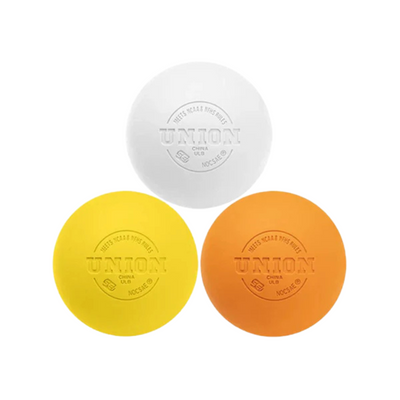 Game & practice ballsUnion Lacrosse BallsFrom $5.00 at BattleLax
 Official PLL ballPearl X Greaseless Lacrosse Balls (3-pack)$19.99 at BattleLax
 Training ballsUnion Sports Rubber Training Lacrosse Balls (6-pack)$11.99 at BattleLax
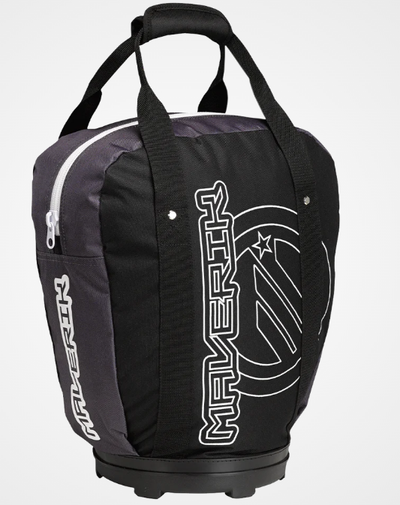 Ball bagMaverik Speed Ball Bag$34.99 at BattleLax

 Ball bagWarrior Ball/Puck Bag$49.99 at BattleLax
 RebounderMaverik Lacrosse Rebounder$204.99 at BattleLax