Understand the Roles and Positions of Lacrosse
Attack, midfield, defense, goalie and the specialists in between. Here's what every lacrosse position does, who's played it best, and the gear each one needs.

3 attackmen, 3 midfielders, 3 defensemen and 1 goalie in men's field lacrosse.
LSMs, short-stick middies, faceoff guys (FOGOs) and transition players fill the gaps.
If you don't know the positions, a lacrosse field can look like a giant spider web.
The positions are where the real story of the game is. If you're having trouble following what's happening on the field, I've got you covered.
In this article, I'm breaking down every lacrosse position and giving you the gist of each one's role, so you can follow and enjoy the game to the fullest.
Ready to see what makes each position unique?
We may receive a commission if you make a purchase through a link on this page at no cost to you. This helps us keep this site free & we appreciate your support!
Team setup in lacrosse
First things first, let's take a quick look at how a lacrosse team lines up and why. In men's field lacrosse, each team has ten players on the field at a time. (Women's field lacrosse plays 12 a side.)
Easy, right? Now let's get into each position in more detail so you understand the finer points.

Read more: How long is a lacrosse game?
Lacrosse player positions on the field
The image below shows where both teams line up. I'll get into the details of each position shortly.

Attackmen: the finishers
Let's start with the attackmen, the front line of the team. The pressure to score falls squarely on their shoulders. With slick moves, highlight goals and elite stick skills, attackmen are the ones who get the crowd on its feet.

Here's what attackmen do:
- They're the main goal-scorers (no pressure, right?).
- They need to be quick, with lightning-fast reflexes.
- They have to beat their defender and find open space.
- They need to be the best stick handlers on the team, and that only comes from endless wall ball.
Attackmen also fill two different roles on the field:
- Transition attackmen: middies who push up and play as attackmen when needed.
Attackmen are the stars of the show.
Notable attackmen
Lyle Thompson and Jordan Wolf are two of the most prolific goal-scorers the game has seen, known for their creativity, vision and accuracy.
Gear up: Attackmen want a narrow, pinched head for hold and accuracy, like the StringKing Mark 3A Head ($119.99).
Midfielders: the all-rounders
Middies are the backbone of any lacrosse team. They're the ultimate all-rounders, doing a little bit of everything on the field. Their specialty is going from offense to defense and back in the blink of an eye.

Here's what midfielders do:
- They're the most versatile players on the team, able to score and defend. (Ultimate multitaskers.)
- They need to be fast, fit and relentless when it counts.
- They read the game and make smart, game-changing plays.
- Most of them play both offense and defense.
Middies also fill two different roles on the field:
- Transition middies: players who are always ready to flip from offense to defense, and from defense to offense.
Middies keep the game flowing.
Notable midfielders
Paul Rabil, the PLL co-founder and one of the most decorated middies ever, could take over a game at both ends. Tom Schreiber of the Archers is a dynamic middie known for his speed, vision and agility.
Gear up: Middies need a head that does a bit of everything. A great all-around option is the StringKing Mark 3V Head ($119.99).
Defensemen: the protectors
Defensemen guard the cage as the last line in front of the goalie. They're usually loud and strong, and they keep the other team's offense in check.

Here's what defensemen do:
- They're some of the toughest players on the field.
- They're usually among the strongest, too.
- Their job is shutting down the other team's offense.
- They're the most vocal players on the team. A quiet defense is a beaten defense.
Defensemen also fill two different roles on the field:
- Transition defensemen: players, often middies, who drop back and play defense when needed.
Defensemen are the soldiers standing between the offense and the goal.
Notable defensemen
Tucker Durkin and Matt Landis are two great examples of versatile close defensemen who excel at shutting down the best attackmen in the game.
Gear up: Defensemen want a wide, stiff head built for checks and ground balls, like the Maverik Tank 2.0 Head ($109.99).
Goalie: the last hope
The goalie is the team's last hope. They keep the other team off the scoreboard one save at a time.

Here's what goalies do:
- They're arguably the most important player on the field.
- They have lightning-fast reflexes.
- They read the shooter and anticipate where the shot is going.
- They track the ball every second, with no time to take a breather.
Notable goalies
Goalies thrive under pressure and live for the big save that flips the momentum. Players like Blaze Riorden, John Galloway and Colin Kirst have set the standard with their clutch performances.
Gear up: Goalies need a big, stiff head that holds its shape on hard shots, like the ECD Impact Goalie Head ($109.99).
Read more: What are the rules of lacrosse?
Special player positions in lacrosse
Here are the specialist positions you'll see in lacrosse.
Long stick midfielders (LSM) vs short stick midfielders (SSM)
LSMs and SSMs are midfield specialists, each with a unique set of skills and a different mindset.
Long stick midfielders (LSM): LSMs carry a long pole, which lets them control the tempo and dictate play. They excel on defense, using their reach to intercept passes, throw poke checks and win ground balls, and the best ones push transition the other way.
Some of the best LSMs include Greg Danseglio and Michael Ehrhardt.
Short stick midfielders (SSM): SSMs carry a regular-length stick, so they rely on speed, agility and smart decisions. On offense, they create chaos and attack the defense. Short-stick defensive middies (SSDMs) are their defensive counterparts, guarding the other team's middies without a long pole.
Some of the best short-stick middies include Tom Schreiber and Bubba Fairman.
Here's a quick table with a few key differences to help you tell LSMs and SSMs apart.
In short, LSMs bring a more physical presence, while SSMs bring speed and strategy. Both are key midfield positions.
Faceoff specialist
Faceoff specialists start every quarter and restart play after every goal. They have quick hands and great hand-eye coordination, and their number one job is winning possession the second the whistle blows.
Some of the best faceoff specialists are Trevor Baptiste and Greg Gurenlian.
FOGO (face off, get off)
A FOGO is a faceoff specialist whose job is right there in the name: win the faceoff, then get off the field so a regular middie can sub in. Some faceoff guys are more than that. They win the draw, then push transition or stay on and play like a middie, which makes them faceoff specialists, middies and transition players all in one.
Greg Gurenlian is one of the best-known faceoff men in the game's history.
Read our full guide on what FOGO means in lacrosse. Faceoff guys need a faceoff head, like the Gait Faceoff Flex ($119.99).
Transition players
Transition players make the game exciting because they switch roles so fast. They're the middies and poles who can flip from defense to offense in a heartbeat, and they make the whole team better.
Some of the best transition players include Jordan Wolf, Tom Schreiber and Michael Manley.
Substitutions and rotations in lacrosse
Substitutions and rotations are strategic moves to change up the lineup and find the right combination of players to win the game.
Substitutions and rotations help to:
- Bring in fresh legs and fresh minds
- Exploit the other team's weaknesses
- Change the pace and tempo
- Adjust to the flow of the game
By rotating players, coaches keep the other team on its toes and keep the game interesting.
Every position has a job. Know yours, and you'll know where to be.
Read more: When is the lacrosse season?
Gear by position
Coach's note: From youth jamborees in Virginia Beach to Ontario box floors and upstate New York high school fields, I tell every new player the same thing: try a couple of positions before you lock in. Your speed, your size and your hands will tell you where you belong, and the right head for that spot makes the game a lot easier.
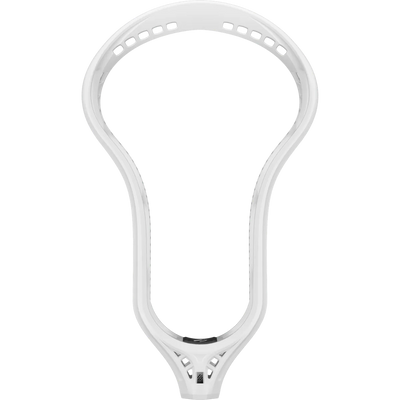 AttackStringKing Mark 3A Head$119.99 at BattleLax
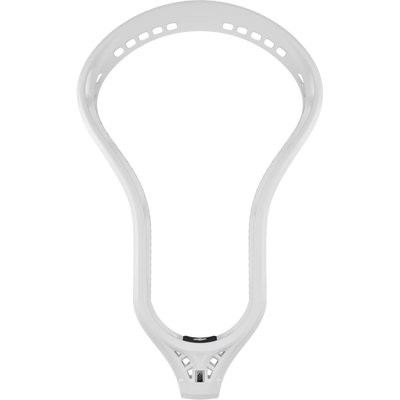 MidfieldStringKing Mark 3V Head$119.99 at BattleLax
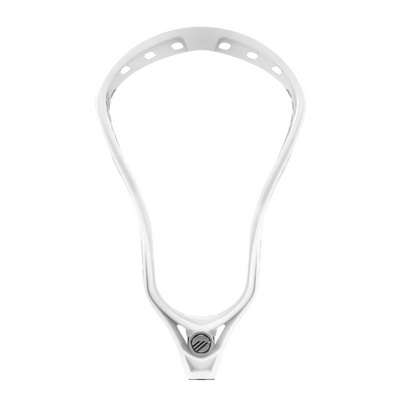 Defense / LSMMaverik Tank 2.0 Head$109.99 at BattleLax
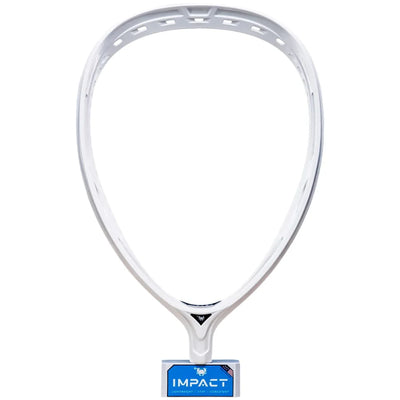 GoalieECD Impact Goalie Head$109.99 at BattleLax
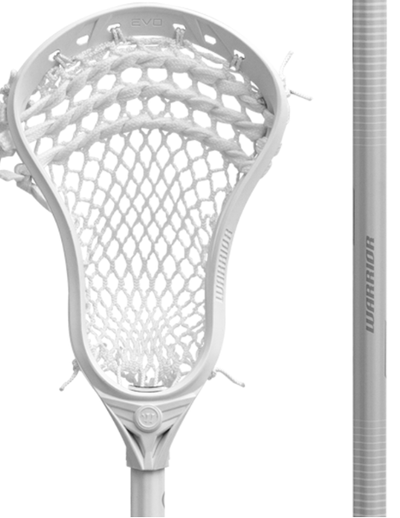
Just starting out and not sure of your position yet? A complete stick like the Warrior EVO Complete Stick 2026 ($109.99) works anywhere on the field while you figure it out.
People also ask
What are the roles of attackers in lacrosse?
Attackmen are the frontline goal-scorers. They need speed, agility and great stick skills to dodge defenders, find open space and finish shots from close range or out top.
Who are some notable attackers in lacrosse?
Lyle Thompson and Jordan Wolf are known for their goal-scoring, vision and accuracy. They're two of the most prolific scorers the pro game has seen.
What do midfielders do in lacrosse?
Midfielders play both ends of the field. They need speed, fitness and a high lacrosse IQ to run the transition game, help the offense score and get back on defense.
Who are some notable midfielders in lacrosse?
Paul Rabil and Tom Schreiber are two of the best midfielders ever, known for their scoring, speed and ability to impact the game at both ends.
What are the responsibilities of defenders in lacrosse?
Defensemen are the last line in front of the goalie. They use their long poles, positioning and communication to shut down attackmen and force turnovers.
Who are some notable defenders in lacrosse?
Tucker Durkin and Matt Landis are two of the best close defensemen the pro game has seen, known for shutting down top attackmen.
What distinguishes LSMs from SSMs in lacrosse?
Long stick midfielders (LSMs) carry a long pole and specialize in defense, ground balls and transition. Short stick midfielders (SSMs) carry a regular-length stick and rely on speed and agility, whether they're running offense or playing short-stick defense.
Who are some notable LSMs and SSMs in lacrosse?
Greg Danseglio and Michael Ehrhardt are standout LSMs. Tom Schreiber and Bubba Fairman are standout short-stick midfielders.
Now that you know every lacrosse position, you'll be able to follow and enjoy the game to the fullest. From the lightning-quick attackmen to the stone-wall defensemen, every position plays a vital role.