Why Don't Women Lacrosse Players Wear Helmets?
Men wear helmets, women wear goggles. Here's why, what the rules say about headgear, and the debate over whether it should be mandatory.

Women's lacrosse bans body checks and checks to the head, so hard helmets were never part of the game.
Goggles and mouthguards are required. ASTM F3137 headgear is allowed, and Florida requires it in high school.
Men's lacrosse players have to wear helmets, while women play with goggles and mouthguards. Why the difference? Is it tradition, safety or something else? The short answer: women's lacrosse players don't wear helmets because body checking isn't allowed.
Whenever you pick a sport, you do it for the love of the game, but you can't ignore the risks.
Hockey, football and lacrosse are contact sports with higher injury rates, so you'd expect every player to wear full protective gear.
Head protection is required in most contact sports, so no helmets in women's lacrosse can seem strange, even concerning.
Concussions are still a real issue in the women's game. A MedStar Health study found concussions made up about 40% of head, face and eye injuries for high school girls and 41% for college women, compared with 73% for boys and 85% for men. That's a smaller share than the men's game, but a lower concussion rate doesn't mean head safety should be an afterthought. See our full breakdown of whether lacrosse is dangerous.
Still, there's a good reason women don't wear helmets. Let's find out why.
We may receive a commission if you make a purchase through a link on this page at no cost to you. This helps us keep this site free & we appreciate your support!
What safety gear do women lacrosse players wear?
First, helmets aren't standard gear, but women's lacrosse players aren't unprotected. Here's what their typical safety gear looks like:
Men's lacrosse allows body checking, while it's illegal in the women's game, and that cuts the risk of head trauma significantly.
How does women's lacrosse differ from men's lacrosse?
Here's a basic comparison of men's and women's lacrosse in terms of contact, protective gear and field size.
Historical context: tradition over safety?
Women's lacrosse has a rich history. It took off at girls' schools in Scotland in the 1890s and later spread to the U.S., developing as a non-contact version of the game. The focus was on skill over physicality.
Over time, that built a culture where protective gear, including helmets, was considered unnecessary, since contact and body checks weren't allowed.
The belief that the women's game is safer without helmets has stuck around, even as the game has gotten faster. Critics argue that helmets could change the nature of play and make it more aggressive, and many feel goggles are enough protection.
Are women's lacrosse players allowed to wear helmets?
Yes. Women's players can wear approved headgear. Nothing bars it. Some players who've already had a concussion choose to wear it, and for many, it's a personal choice. Headgear can limit visibility and movement a bit, though.
The research shows that most head and face injuries in women's lacrosse come from stick or ball contact, not player-to-player collisions.

In other words, girls are getting hit in the head by a stick or the ball, and that's what leads to concussions.
There may not be full-body contact in women's lacrosse, but injuries still happen, and that counts for something.
That's why the rules protect the "sphere," the area about 7 inches around a player's head. Putting your stick in another player's sphere is a foul, and it's there to limit head injuries.
Do helmets reduce injuries in women's lacrosse? Standards and regulations
USA Lacrosse requires NOCSAE-certified helmets in the men's game, but helmets aren't required in the women's game. Women are allowed to wear optional headgear that meets the ASTM F3137 standard, which was created specifically for women's lacrosse. This headgear is usually lighter and less restrictive than a men's helmet.
Some states have started requiring headgear. Florida, for example, made ASTM headgear mandatory for high school girls' lacrosse. The goal is to reduce concussions while keeping the spirit of the women's game.
Supporters argue headgear can make the game safer without changing what makes it special, especially at the younger levels where players are still learning proper technique.
If you're thinking about headgear, the Cascade LXP women's headgear ($174.99) at BattleLax is a lightweight, low-profile option.
Should helmets be mandatory in women's lacrosse?
Helmet supporters argue safety should come before tradition.
Purists, on the other hand, believe helmets would fundamentally change the women's game.
Some players also say it feels strange to be the only one on the field in headgear, and it draws attention, so they skip it.

The biggest argument against helmets is the risk of more aggression. Players might feel invincible in a helmet and take more chances, which is known as the "gladiator effect."
On the other side, research shows that even with non-contact rules, accidental collisions and stray sticks and balls still cause concussions, and women's lacrosse has one of the higher concussion rates among women's sports.
Many coaches and medical experts say head injuries are still common despite the non-contact rules, and they're pushing for a fresh look at protective gear.
Those numbers raise real safety concerns, but the helmet debate is still a hot topic.
No body checks doesn't mean no contact. Sticks and balls still find heads.
How do other sports approach head protection?
Look at field hockey, the closest comparison. Like women's lacrosse, field players don't wear helmets, but goalies wear full helmets, and defenders can wear face masks on penalty corners, when the risk of getting hit by the ball is highest.
Across sports, the trend is toward better head protection. Lacrosse is still divided, which brings us back to the question: why don't women lacrosse players wear helmets?
Women's lacrosse safety gear
Coach's note: I've coached girls' teams from Virginia Beach to upstate New York and watched the game get faster every year. My rule is simple: goggles that fit, a mouthguard in every time, and if your daughter has had a concussion or just feels better with it, let her wear the headgear. Nobody on a good team cares what you wear. They care if you can catch.
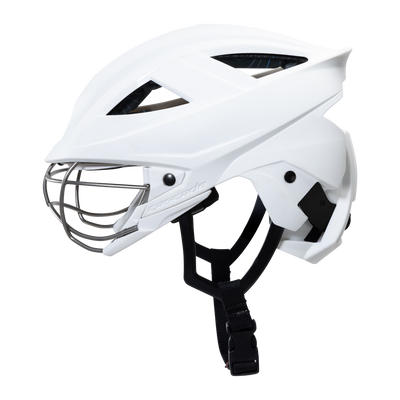 HeadgearCascade LXP Women's Headgear$174.99 at BattleLax
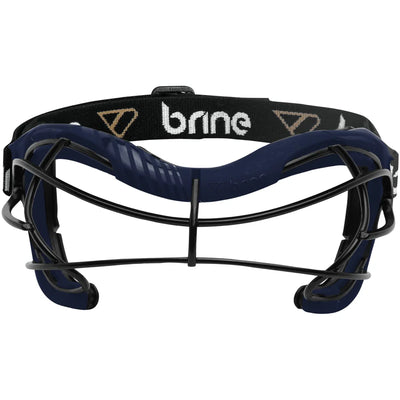 GogglesBrine Halo Women's Goggles$69.99 at BattleLax
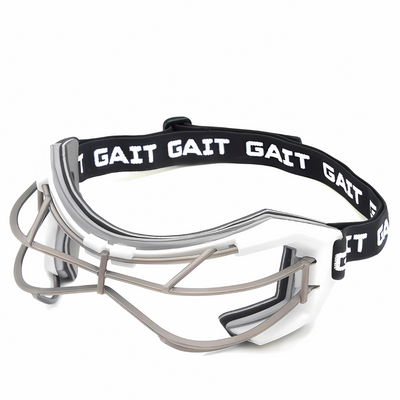 GogglesGait Glory 2 Goggles$99.99 at BattleLax
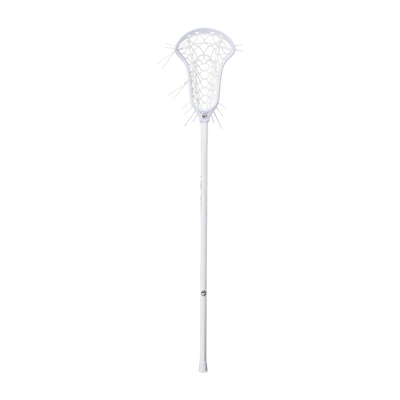 Women's stickMaverik Aim Women's Complete Stick$199.99 at BattleLax
Don't forget a mouthguard, like the Shock Doctor Adult Pro Mouthguard ($9.99).
People also ask
Why don't girls wear helmets in lacrosse?
Girls' and women's lacrosse doesn't allow body checking, and stick checks to the head are illegal, so the game was designed without hard helmets. Goggles and mouthguards are required, and ASTM-approved soft headgear is allowed.
Why do girls only wear goggles in lacrosse?
Goggles protect the eyes and face from accidental stick and ball contact, which causes most head and face injuries in the women's game, without changing how the game is played.
Why don't girls wear pads in lacrosse?
Body checking and aggressive physical contact are illegal in women's lacrosse, so there's much less need for the shoulder and arm pads men wear.
Why is body checking illegal in women's lacrosse?
Body checking is banned to keep the women's game focused on stick skills, speed and finesse rather than physical dominance, which also makes it safer.
What safety gear is mandatory for girls in lacrosse?
Goggles and mouthguards are mandatory to protect the eyes, teeth and jaw. Gloves are optional, and players can wear headgear that meets the ASTM F3137 standard. Some states, like Florida, require that headgear for high school players.
So why don't women lacrosse players wear helmets? Because the game was built without body checking, and goggles and mouthguards have long been the standard. But the conversation about helmets in women's lacrosse is far from over. What do you think? Should headgear become standard, or should the game stay as it is?