Mastering the Game: 10 Essential Lacrosse Skills Every Player Should Develop
From wall ball to the faceoff dot, the ten skills that separate the guy on the bench from the guy coaches can't take off the field.
Stick handling, passing & catching, defensive footwork, shooting, ground balls.
Agility & strength, dodging, awareness & communication, lacrosse IQ, faceoffs.
Lacrosse is a dynamic and fast-paced sport that requires a diverse set of skills for success. Whether you're a beginner or an experienced player, mastering these essential lacrosse skills will not only improve your performance but also make you a valuable asset to your team.
Every good player I've coached, whether they grew up firing against a brick wall in upstate New York, playing summer ball around Virginia Beach, or learning soft hands in an Ontario box league, worked on these ten things until they didn't have to think about them anymore. Here's where to start.
1. Stick handling
Possessing strong stick handling and cradling skills is crucial in lacrosse. Focus on maintaining a loose grip and using your wrists to control the stick. Practice controlling and maneuvering the ball with both hands, feeling out the best way to keep the ball in the stick.
Two things I like to practice are cradling upside down, which helps with learning tempo and wrist strength, and cradling in big circles, which helps me know when a cradle is too much. A good pocket helps too (here are the different types of lacrosse pockets).
Always remember: gravity keeps the ball in the stick, not your cradling.
2. Passing and catching
Accurate passing and catching are essential to move the ball effectively, either in an offensive set or in a clear. Practicing different passing techniques with both hands, such as overhand and sidearm passes, will improve your accuracy and velocity and help you catch tough passes.
Yes, overhand passes are fundamental and should be used the majority of the time, but being able to throw sidearm passes will propel you to the next level, much like Tom Schreiber and Grant Ament. Being able to throw good passes at any angle will make you stand out on the field.
Playing wall ball is a great way to develop your stick. The main types of passes you can do are overhand, sidearm, underhand, quick-stick, twister, backhand, behind the back, and around the world. Some are harder than others, and they will be harder with your weak hand, but doing some combination of these passes on the wall is imperative to become a great passer. Try timing yourself with a specific set of passes and keep getting faster. No wall at home? A lacrosse rebounder works just as well.
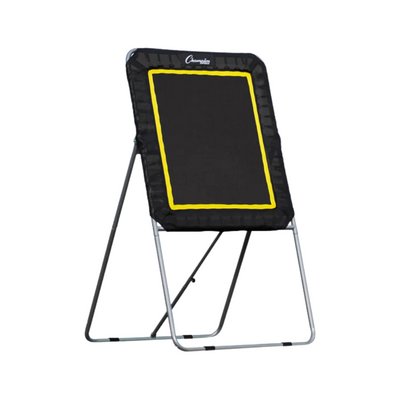 RebounderChampion Deluxe Rebounder$270.00 at BattleLax
 Lacrosse ballsPearl X Greaseless (3-pack)$19.99 at BattleLax
 Training ballsUnion Training Balls (6-pack)$11.99 at BattleLax
 Training shaftPower Shaft Trainer$64.95 at BattleLax
3. Defensive footwork and positioning
Solid defensive skills are a must at any position. Positioning and footwork are very important to become a formidable defender. Practicing positioning on and off ball will make you a top defender on your team. Practicing stick checks is also important to disrupt the attacker's moves.
Defense is played with your feet, not your stick.
For attack personnel, riding is a huge factor in a game. If you are able to ride the ball back, that's one more offensive possession for your team and another opportunity to score. Watch the Kavanagh brothers to see their grit and determination to get the ball back for their team.
4. Shooting
Scoring goals is obviously the primary objective in lacrosse, and developing shooting accuracy and power is crucial for any player on the field (other than goalies). When practicing, focus on proper shooting mechanics so that in a game you won't have to think about it. This includes your stance or footwork, hand positioning, and follow-through, to improve accuracy and maximize power behind your shots.
Practice shots you may see in a game. For X-attackmen, this looks like running around the crease with a fake and finish. For an LSM, this looks like running down on a break with no one covering you, setting your feet at 12 yards, putting your stick as high as it can go and letting it rip. (Want to see how hard the pros rip it? Here's the fastest lacrosse shot ever recorded.)
Remember, most players take 0 to 6 shots in a game, so make the most of every opportunity and practice shooting to increase the chances of each of those shots going in. A portable goal in the backyard goes a long way.
5. Ground balls
Ground balls are often hotly contested in lacrosse, and winning possession can make a significant impact on the game. Practice ground ball drills to improve your ability to scoop the ball quickly and effectively. Focus on using proper technique, positioning your body low, and protecting your stick to secure the ball.
Once you get the proper technique down, try different ways to pick up the ball, such as using the edge of the scoop rather than the center, or getting over the ball to fend off any defenders. They're not the flashiest stat, but coaches put in players who get ground balls.
6. Agility, quickness, and strength
Lacrosse is the fastest sport on two feet. Having quick feet will help you excel on both offense and defense. Incorporate agility ladder drills, cone drills, and speed exercises into your training routine to improve your lateral movement, change of direction, and acceleration. Check out our favorite lacrosse training aids.
Strength training is also incredibly important in lacrosse. It will help you run faster, have more power on shots, avoid injury, and hit opposing players with more force. Be sure to use proper technique and adult supervision when training, as it can be dangerous.
7. Dodging and evasive moves
Dodging is a necessary skill that allows you to beat defenders and create scoring opportunities. Dodging requires good footwork and creativity so your defender never knows your next move.
Some great dodges to work on are the split dodge, face dodge, and roll dodge (not sure what those mean? See our lacrosse terms and slang guide). Every player on the field needs to know how to beat a defender, including defensemen and goalies in the clear.
8. Field awareness and communication
Lacrosse is a fast-paced game that requires strong field awareness and effective communication. Developing your ability to scan the field, identify open teammates, and make accurate passes will get the ball in the back of the net.
Communicating with your teammates is incredibly important. Most coaches have a set of verbal cues and hand signals to ensure everyone is on the same page. For defenders, the cues are typically related to sliding and pressure. For offensive players, the cues are typically about offensive sets and telling your teammate that you're open. Be loud, otherwise a slide or scoring opportunity might be missed.
9. Lacrosse IQ and game strategy
Lacrosse IQ isn't always learned on the field. Often, it's learned from watching film. Watch games and analyze different offensive and defensive systems. Watch specific players to see what they do on and off the ball: how they shoot, where they're looking, their defensive stance. There are so many things to analyze in the game of lacrosse.
Having a high lacrosse IQ will let you see plays in your head before they happen and help your team score more goals. Brush up on the rules of lacrosse and the different lacrosse positions so you know what everyone on the field should be doing.
10. Faceoff technique
For FOGOs, working on your stance, hand speed, and reaction time is very important at the dot. Learn different clamp techniques to disrupt your opponent. Changing your clamp style mid-game can make the opposing player think more and be slower.
If you can place the ball in any direction to a teammate, your team will win more faceoffs on easy ground balls. Make sure you've got the right tool for the job, too: see our best faceoff heads.
See it live
Want a wall ball routine to start with tonight? Here's a full one from YouTube.
More videos: Wall ball drills with pro Kevin Crowley · 10-minute wall ball workout
People also ask
What are the most important lacrosse skills?
Stick handling, passing and catching, defensive footwork, shooting, ground balls, agility and strength, dodging, field awareness and communication, lacrosse IQ, and faceoff technique.
What is the best way to improve your lacrosse stick skills?
Play wall ball. Work through overhand, sidearm, underhand, quick-stick, twister, backhand, behind-the-back and around-the-world passes with both hands, and time yourself to keep getting faster.
What dodges should every lacrosse player learn?
The split dodge, face dodge and roll dodge are great starting points. Every player, including defensemen and goalies in the clear, needs to know how to beat a defender.
Mastering these 10 lacrosse skills will enhance your overall performance, make you a versatile player, and elevate your contribution to your team. Spend time going to shoot, playing wall ball, playing lacrosse with friends, and watching a ton of lacrosse. Get creative when you play; this will give you the best connection with your stick so you can be the best player you can be. Work on these 10 skills, and you will be dominating on the field in no time. Need a new stick to get started? See our best beginner lacrosse sticks.