FOGOs Losing Their Spots Because of the New PLL Shot Clock Rule
The 32-second clock after a faceoff win sped up the pro game, and made some teams decide they were better off without a faceoff specialist at all.
The full shot clock now only resets when the ball changes hands.
Also after the offense keeps a shot off the pipe or goalie.
The PLL's shot clock rule made it very difficult for faceoff specialists to keep their spots on PLL rosters. Coming off the 2023 All-Star break, Connor Farrell, who played in the All-Star Game, found himself on the bench. In this post, we review the shot clock rule and look at how it affected PLL FOGOs.
Anybody who's spent time at the X, whether that's a Section III faceoff in upstate New York, a summer tournament in Virginia Beach, or a draw in an Ontario box league, knows how many hours go into that one rep. That's what makes this rule sting.
What is the new shot clock rule?
Under the old shot clock rule, whenever a team gained possession, the shot clock reset to 52 seconds. The 52-second reset also applied when a shot hit the pipe or the goalie.
With the new rule, the shot clock resets to 52 seconds only after the ball changes possession. Every other time, it resets to 32 seconds. That includes a shot off the pipe or goalie that's picked up by the team that shot it (when the clock was already at or below 32), and faceoff wins.
The rule was implemented at the start of the 2023 season with the goal of increasing the speed of play.
| Situation | Old rule | New rule (2023) |
|---|---|---|
| Change of possession | 52 seconds | 52 seconds |
| Faceoff win | 52 seconds | 32 seconds |
| Shot off pipe/goalie, offense keeps it | 52 seconds | 32 seconds |
What do I think of the rule?
The idea of a 32-second reset is a phenomenal one. It's very similar to basketball's shorter clock reset after the ball hits the rim and is rebounded by the offensive team. Because the team is already set up in its offense, the clock doesn't need to be reset to 52 seconds. It makes the game much faster, with more shots and more scoring.
That being said, I knew from the start of the season that the 32-second shot clock after a faceoff was going to be horrible for faceoffs. There is not nearly enough time to substitute and get into an offense, and many teams opted not to even dress a faceoff specialist. The most recent team was the Chrome, who benched Connor Farrell as of July 27, 2023.
Imagine finishing a PLL All-Star Game, facing off at 68% for your team, and being benched as your team goes 1-4. That should never happen.
Teams were actively being punished for putting a faceoff guy at the X. When does it come to a point where teams refuse to pick up the ball, or play hockey for the first 30 seconds of every faceoff?
The rule also takes away the option to go backwards. Faceoff guys have to play the ball forward, or their offense will only have about 10 seconds to do something with it. That is an alarmingly short amount of time to run an offense.
Teams experimented with different wing options: having the defensive players and FOGO stay on for the 32 seconds, and putting a defensive middie on the defensive end to play offense and sub quicker. Even with these options, it's easy to just put an LSM on the faceoff and force the FOGO to go backwards, which is almost a guaranteed turnover.
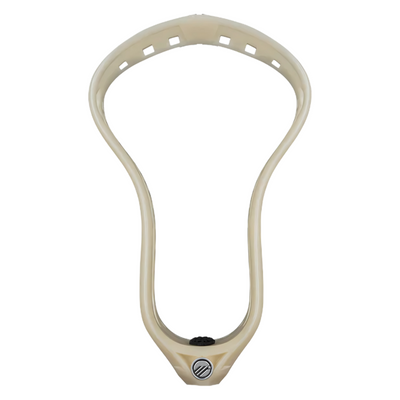 Faceoff headMaverik Logik Force$109.99 at BattleLax
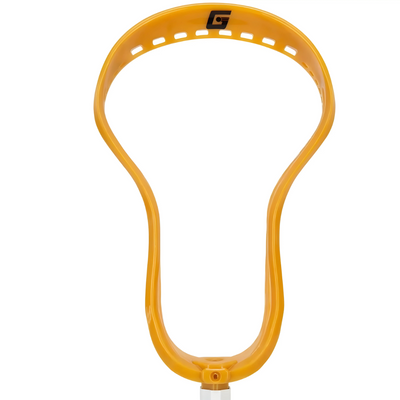 Faceoff headGait Faceoff Stiff$119.99 at BattleLax
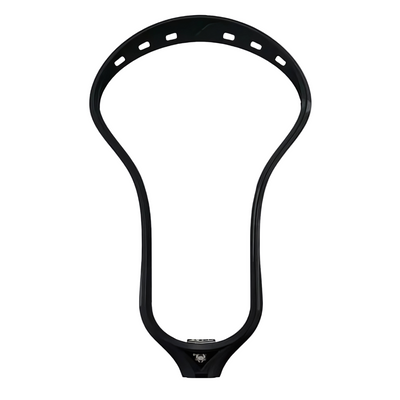 Faceoff headECD Weapon X 2.0$99.99 at BattleLax
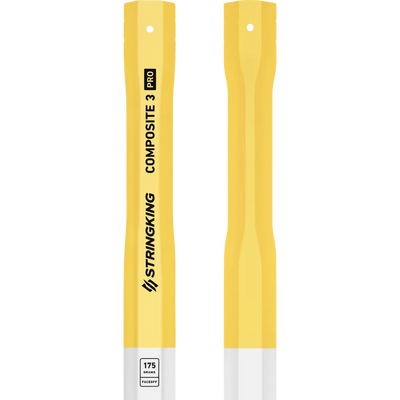 Faceoff shaftStringKing Composite 3 Pro FO$159.99 at BattleLax
Faceoff stats
Five weeks into the new shot clock rule, teams had yet to figure out a good strategy to score off faceoff wins. The two teams with the highest faceoff percentages were the Atlas and Chrome, at 75.2% and 67.8% respectively (PLL Team Stats). Both teams were at the bottom of the standings.
The teams with the lowest faceoff percentages? The Waterdogs and Cannons, at 23% and 28% respectively, yet they were second and third in the standings. Both teams decided not to dress a faceoff specialist at all and used one of their 19 roster spots on another field player. The Chrome were the next team to follow suit, sitting 1-4 on the year despite being second in faceoffs.
| Team (2023, through week 5) | Faceoff % | Standings |
|---|---|---|
| Atlas | 75.2% | Bottom |
| Chrome | 67.8% | Bottom (1-4) |
| Archers | 67.7% | Top (4-1) |
| Cannons | 28% | 3rd |
| Waterdogs | 23% | 2nd |
Would other teams that were losing faceoffs heavily to teams with better FOGOs follow suit? The Redwoods and Chaos both struggled to keep up with the top faceoff guys but were still in the middle of the pack in the standings.
There was one caveat. The Archers were at 67.7%, basically tied for second on faceoffs with the Chrome, but sat at the top of the standings at 4-1. Why? Because the Archers had a 32% efficiency on 32-second possessions (Joe Keegan's offensive efficiency breakdown; my interpretation is that this counts possessions after faceoffs, not resets). Even with that stat, Sisselberger still said winning the faceoff felt like a punishment.
Turning faceoff wins into goals instead of turnovers is a hard task, and even with the Archers winning so many faceoffs, it seemed that many teams were just forgoing the faceoff guy altogether and trying a different strategy.
Future of the rule
Obviously, there is more to lacrosse than just faceoffs. The Atlas were at the bottom of the standings for defense as well, which was also a huge factor in them losing games. But it's hard to ignore how the faceoff affected the game.
I love the 32-second shot clock reset off of hitting the goal. That change is very well done. I hoped the PLL would change the faceoff shot clock, though nothing could change until the next season.
My suggestion is a 42-second clock at the faceoff, which would still speed up play and give teams ample time to sub effectively. The other option would be to put it back to 52 seconds, which would slow down play slightly, but I don't think that's a big issue.
Teams may adapt to better their odds, putting offensive players on the faceoff instead of defensive players, but I think a shot clock change is the best option going forward.
Update: what changed in 2024
The PLL kept the 32-second clock after faceoffs for the 2024 season. The one big faceoff tweak: long poles were no longer allowed to take faceoffs, a change the league made citing safety. That took away the “put an LSM on the dot and force the FOGO backwards” strategy described above, and helped give dedicated faceoff guys their jobs back.
Read more: What are the rules of lacrosse? · Best faceoff heads · Best faceoff shafts
See it live
Want to see what changed at the X? Here's a breakdown of the newer PLL faceoff rules.
People also ask
What is the PLL 32-second shot clock rule?
Starting in 2023, the PLL shot clock resets to the full 52 seconds only on a change of possession. After a faceoff win, or when the offense keeps the ball after a shot off the pipe or goalie, it resets to 32 seconds.
Why did PLL teams stop dressing faceoff specialists?
With only 32 seconds after a faceoff win, there was not enough time to sub the FOGO off and get into an offense, so some teams used that roster spot on another field player instead.
Did the PLL change the faceoff shot clock in 2024?
No. The PLL kept the 32-second clock after faceoffs for 2024, but barred long poles from taking faceoffs, citing safety.
The 32-second reset made the PLL faster and more fun to watch, but in 2023 it also made the faceoff specialist one of the most endangered jobs in pro lacrosse. If you're still grinding at the X, keep working on your whole game, because the guys who can win the draw and then play a few seconds of real lacrosse are the ones keeping their roster spots. Curious about pro pay? Here's how much professional lacrosse players make.